
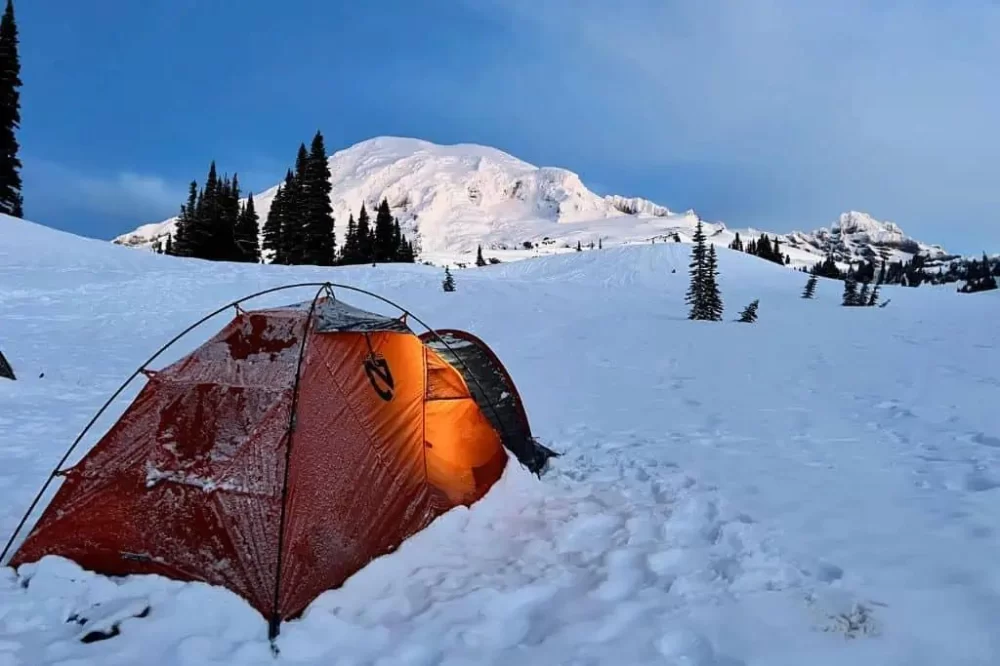
- Understanding Hypothermia and Its Risks
- Preparing for Cold Weather Camping
- Effective Strategies to Prevent Hypothermia
- Recognizing and Responding to Hypothermia Symptoms
- Real-Life Examples and Lessons Learned
1. Understanding Hypothermia and Its Risks
Hypothermia occurs when the body loses heat faster than it can produce it, causing the core temperature to drop dangerously low. This condition is a serious risk during camping, especially in cold or wet environments, and can affect anyone regardless of experience level. Beginners often underestimate how quickly cold temperatures and dampness can lead to hypothermia, making it vital to understand the risks before setting out.
Cold winds, wet clothing, and insufficient insulation all contribute to heat loss. In fact, wind chill can lower the perceived temperature drastically, intensifying the danger. Even mild hypothermia can impair physical coordination and judgment, which in turn raises the risk of accidents while camping.
Recognizing the threat of hypothermia is the first step to prevention. Outdoor safety experts emphasize that preparation and awareness are the best defenses against this cold-weather hazard.
1.1 Factors Increasing Hypothermia Risk During Camping
Beyond cold weather, factors such as exhaustion, dehydration, alcohol consumption, and inadequate nutrition can accelerate the onset of hypothermia. Wet conditions from rain or sweat reduce the body’s ability to maintain heat, which is why proper clothing and gear are essential.
2. Preparing for Cold Weather Camping
Preparation is key when it comes to how to prevent hypothermia while camping. Planning ahead helps you avoid dangerous situations and ensures a more comfortable experience. Choosing the right gear from trusted sources like Camping Rural can make a significant difference.
Layered clothing systems are fundamental. Start with moisture-wicking base layers to keep skin dry, add insulating layers like fleece or down, and top off with waterproof and windproof outer layers. Packing extra dry clothes is also wise, as changing out of damp clothes quickly reduces heat loss.
Proper sleeping gear is equally important. Sleeping bags rated for the expected temperature range and insulated sleeping pads protect you from cold ground surfaces that can sap body heat overnight.
2.1 Importance of Shelter and Site Selection
Choosing a campsite sheltered from wind and avoiding low-lying areas prone to cold air pooling improves your chances of staying warm. Setting up tents properly and using windbreaks help maintain a stable microclimate inside your camp.
3. Effective Strategies to Prevent Hypothermia
Applying practical strategies during your camping trip will keep hypothermia at bay. Keeping active without sweating excessively promotes circulation and warmth. Take regular breaks, and if you feel cold, add layers immediately.
Nutrition and hydration also play a pivotal role. Eating calorie-dense foods helps your body generate heat, while drinking warm fluids keeps you hydrated and maintains internal temperature. Avoid alcohol as it impairs heat regulation.
Protecting extremities like fingers, toes, ears, and nose is critical since these areas lose heat fastest. High-quality gloves, thermal socks, hats, and face coverings are indispensable components of cold-weather gear.
Additionally, consider bringing hand warmers or heated insoles from Camping Rural’s selection, which can provide extra warmth in extreme conditions.
3.1 Managing Wet Conditions
If you get wet, change into dry clothes as soon as possible. Staying wet dramatically increases the risk of hypothermia. Waterproof gear and rain covers for backpacks can help minimize exposure to moisture.
4. Recognizing and Responding to Hypothermia Symptoms
Knowing how to identify early signs of hypothermia can save lives. Symptoms include uncontrollable shivering, slurred speech, confusion, loss of coordination, and extreme fatigue. As hypothermia progresses, shivering may stop, indicating a severe emergency.
If you or a companion show signs, move to a warmer environment immediately. Remove any wet clothing and replace with dry, insulating layers. Warm beverages and physical contact, such as sharing body heat under blankets, can aid recovery.
In severe cases, call for emergency help promptly. Camping Rural offers advice on assembling a comprehensive emergency kit tailored to cold-weather camping, enhancing your preparedness.
4.1 First Aid Measures and Professional Help
Administering first aid involves gentle warming and avoiding rapid heat changes, which can shock the body. Avoid giving alcohol or caffeine, and monitor the individual’s breathing and consciousness until help arrives.
5. Real-Life Examples and Lessons Learned
A recent story circulated online told of a camper in the Rockies who was caught unprepared for a sudden cold snap. Their failure to layer adequately and poor site selection resulted in early hypothermia symptoms. Thankfully, a fellow camper recognized the signs and helped them warm up, preventing a tragedy. This incident highlights how crucial knowledge and preparedness are.
On the other hand, experienced campers recommend always packing gear recommended by experts and websites like Camping Rural, where beginners can find trusted products and detailed advice. These real-life lessons reinforce that how to prevent hypothermia while camping is not just about equipment but awareness and quick action.
Ultimately, staying safe in cold environments requires respect for nature’s power, careful planning, and learning from others’ experiences to enjoy camping without risking your health.
 Au Sable Canoe Camp Ground4.0 (19 reviews)
 Elizabethtown / Hershey KOA Holiday4.0 (804 reviews)
 Tricouni Campground4.0 (5 reviews)
 Sleepy Hollow RV Park 1 & RV Park 23.0 (32 reviews)
 Luxury Oasis RV Park0.0 (0 reviews)
 Buchanan Shores RV Park0.0 (0 reviews)
 10 Must-Visit Campgrounds in the Midwest for Your Next Outdoor Adventure
 Romantic Camping Spots for Couples: Perfect Getaways in Nature
 Ultimate Guide to Off the Grid Camping in Remote Locations
 How to Cook Over a Campfire Safely for an Enjoyable Outdoor Experience
 Vanlife in Winter: My Personal Experience Living on the Road
 From City to Camp: My Journey to Nature and What I Learned