
- understanding-bear-behavior-and-the-importance-of-food-storage
- bear-canisters-vs-bear-bags-whats-best-for-your-trip
- how-to-use-a-bear-canister-correctly
- how-to-hang-a-bear-bag-properly
- real-backcountry-lessons-and-gear-tips
1. Understanding Bear Behavior and the Importance of Food Storage
1.1 Why Bears Are Attracted to Campsites
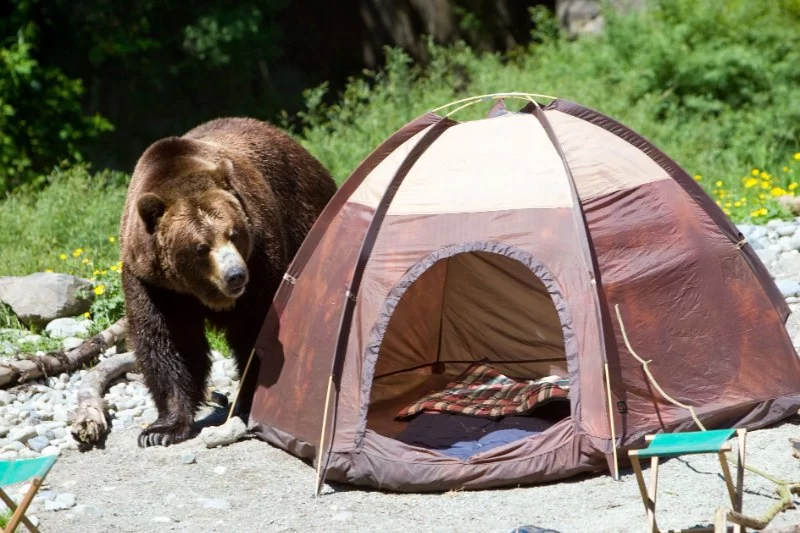
When you’re out in the wild, one of the most important things to understand is that bears have an incredible sense of smell—some estimate up to 7 times stronger than a bloodhound's. Any food, trash, or scented item left unsecured becomes a beacon, potentially drawing bears into camp. Once they associate humans with food, it creates a dangerous situation for both campers and wildlife.
1.2 Food Protection Isn’t Optional—It’s Survival
Whether you’re deep in grizzly territory or just passing through black bear habitat, proper food storage is essential. Aside from keeping yourself and others safe, many national and state parks require the use of bear-resistant containers. Failing to comply can lead to fines—or worse, a dangerous encounter.
2. Bear Canisters vs Bear Bags: What’s Best for Your Trip?
2.1 Bear Canisters: Reliable, Durable, and Often Required
Bear canisters are hard-sided, lockable containers designed to withstand a bear’s claws, jaws, and curiosity. They’re often required in places like Yosemite or Yellowstone. They’re heavy and bulky, yes, but offer peace of mind in high-risk areas. Popular models include the BV500 or Garcia Backpacker’s Cache.
2.2 Bear Bags: Lightweight and Compact for the Right Terrain
Bear bags, like the Ursack Major, are made from ultra-strong fabric (usually Kevlar) and are much lighter than canisters. These are ideal for longer trips where weight is critical, though they require correct hanging technique. Many hikers in the Appalachian region prefer them for their balance between security and weight.
2.3 Making the Right Choice
Your decision should be based on where you’re going. Always check the regulations. For rugged, regulated zones, bear canisters are often the only legal option. In lighter-use backcountry or international routes, bear bags can be a smart alternative. At Camping Rural, you can find a curated selection based on trail type and destination.
3. How to Use a Bear Canister Correctly
3.1 Storage Location Matters
Always store your bear canister 100 feet away from your sleeping area, preferably downhill and hidden among rocks or bushes. Do not strap it to trees—it’s not bear-proof that way.
3.2 What Goes In
Include all scented items: toothpaste, snacks, trash, lip balm, even wet wipes. At night, lock the lid and make sure the container is closed properly. It’s better to be overly cautious than attract attention.
3.3 Pro Tip for Backpackers
Veterans often line the canister with a stuff sack to better organize items. It makes access easier and prevents spills when you're exhausted after hiking all day.
4. How to Hang a Bear Bag Properly
4.1 The PCT Hang Method Explained
The most trusted method is the Pacific Crest Trail (PCT) hang. Here’s the breakdown:
- Find a tree limb 15–20 feet high and 6 feet from the trunk.
- Toss a rope over the limb and attach the bear bag with a carabiner and stick toggle.
- Lift the bag high, tie off the loose end, and let the toggle rest against the branch when done.
4.2 Avoid Common Mistakes
Too many hikers hang bags too low or too close to the tree trunk. Bears can climb. Also, avoid tying off the rope near the ground—clever bears have been known to chew through lines to drop bags.
4.3 When Trees Aren’t an Option
In alpine areas with no good trees, consider carrying an Ursack with aluminum liner or using a pre-installed bear wire setup provided at designated campsites.
5. Real Backcountry Lessons and Gear Tips
5.1 A Story from the Sierra
In 2022, a group hiking near Rae Lakes in California woke up to find their tent area trashed. They had used a soft-sided cooler and left it beside their tent. The bear, unafraid of humans, rummaged through the site, scattering gear. The group had to exit early with torn packs and ruined food. The lesson? Even one night without proper storage can end your trip.
5.2 Trusted Gear Sources
Whether you're prepping for a weekend trip or thru-hiking a national trail, having the right gear is crucial. At Camping Rural, we offer field-tested bear canisters, ultra-light bear bags, and advice from seasoned hikers who’ve dealt with curious wildlife firsthand.
 The Fig Tree RV Resort4.0 (82 reviews)
 Schroon River Campsites Inc2.0 (31 reviews)
 Emerald Mobile Home Park2.0 (15 reviews)
 Percy Quin Campground4.0 (10 reviews)
 Picture Lake Campground3.0 (407 reviews)
 B & B Mobile & Rv Park4.0 (74 reviews)
 10 Must-Visit Campgrounds in the Midwest for Your Next Outdoor Adventure
 Romantic Camping Spots for Couples: Perfect Getaways in Nature
 Ultimate Guide to Off the Grid Camping in Remote Locations
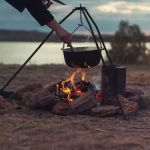 How to Cook Over a Campfire Safely for an Enjoyable Outdoor Experience
 Vanlife in Winter: My Personal Experience Living on the Road
 From City to Camp: My Journey to Nature and What I Learned