
- Preparing Your Tent Setup
- Selecting the Perfect Spot
- Step-by-Step Tent Pitching Process
- Common Challenges and How to Handle Them
- Enhancing Your Camping Experience with the Right Gear
1. Preparing Your Tent Setup
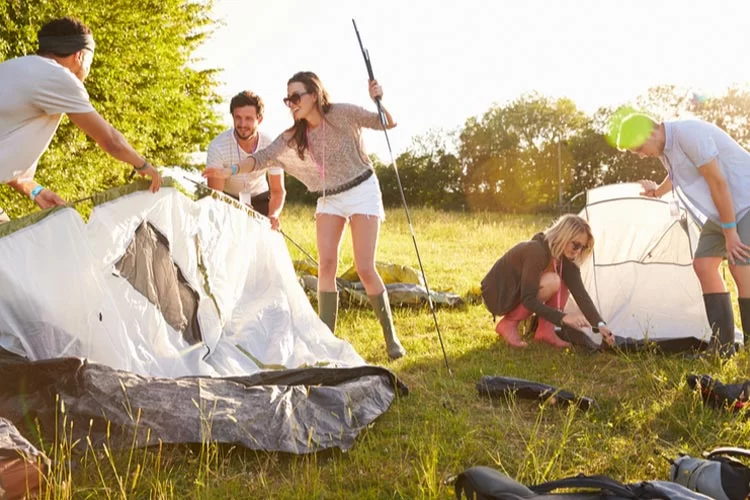
Setting up a tent might seem daunting for newcomers, but with the right preparation, it becomes a straightforward and enjoyable part of any camping adventure. Before you even unzip your tent bag, make sure to unpack and familiarize yourself with all components—tent body, rainfly, poles, stakes, and guylines. Knowing your gear inside out prevents unnecessary confusion during the actual setup.
Personal tip: On my first camping trip, I struggled because I skipped this step and wasted precious daylight fumbling with unfamiliar parts. Now, I always lay out and inspect my tent components before heading to the site. This practice helps avoid surprises and speeds up pitching.
1.1 Checking Your Tent for Damage
Always inspect your tent for tears, broken poles, or missing stakes. A small rip can quickly turn into a bigger issue once you're in the wilderness. This step is crucial for ensuring the tent’s durability throughout your trip.
1.2 Organizing Your Tools
Gather essential tools such as a mallet or hammer for stakes, and keep everything within reach. Proper organization can make the difference between a frustrating setup and a smooth one.
2. Selecting the Perfect Spot
Choosing where to pitch your tent is as important as the setup itself. Look for a flat area, preferably on durable ground free from rocks, roots, or sharp objects that can damage your tent floor. Consider natural windbreaks like bushes or trees and check the slope to avoid water pooling if it rains.
2.1 Environmental Awareness
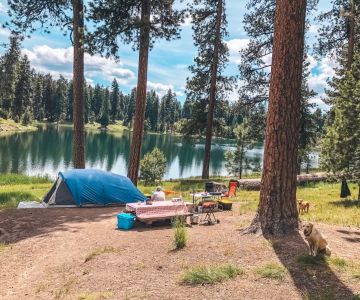
Respect the environment by camping in designated areas whenever possible. This not only protects nature but also often guarantees better ground conditions and access to amenities. A memorable experience I had involved camping near a tranquil lake, where the soft grass and gentle breeze made for a perfect tent spot.
2.2 Safety First
Avoid areas prone to flooding or unstable terrain. If wildlife is common in the area, make sure your campsite is well away from animal trails.
3. Step-by-Step Tent Pitching Process
Now, let's dive into the core of this guide — how to set up a tent step-by-step, ensuring a stable and comfortable shelter.
3.1 Lay Out the Tent Footprint or Tarp
If you have a footprint or tarp, spread it out on your chosen spot. This extra layer protects the tent floor from abrasion and moisture.
3.2 Unfold the Tent Body
Carefully unfold the tent body on top of the footprint. Align it so that the door faces your preferred direction.
3.3 Assemble the Poles
Most modern tents use shock-corded poles that easily snap together. Take care to ensure each pole is fully connected.
3.4 Insert Poles into Tent Sleeves or Clips
Slide or clip poles into their respective positions according to your tent’s design. This forms the tent’s framework. Make sure poles are securely seated in grommets or pins.
3.5 Raise the Tent and Secure the Corners
Once the frame is in place, lift the tent and stake down each corner tautly. This step is critical for structural stability and helps keep the tent upright in wind.
3.6 Attach the Rainfly
Weather can be unpredictable, so always cover your tent with the rainfly. Secure it with clips or Velcro strips, and stake out any guylines for added wind resistance.
3.7 Final Adjustments
Check all stakes and guylines, tighten where necessary, and ensure ventilation openings are not blocked. A well-ventilated tent reduces condensation inside, keeping you comfortable throughout the night.
4. Common Challenges and How to Handle Them
Even experienced campers face obstacles when pitching a tent. Anticipating and managing these can save frustration and ensure safety.
4.1 Dealing with Strong Winds
When gusts pick up, reinforce stakes and guy lines. If your tent is struggling against the wind, adjusting the angle or adding more guylines can improve stability.
4.2 Uneven Ground
In case flat terrain is scarce, pack sleeping pads to create a comfortable sleeping surface. Avoid pitching on slopes steeper than 10 degrees to prevent sliding during sleep.
4.3 Rain and Moisture
To prevent water leakage, always deploy your rainfly fully and stake it securely. Elevate the tent floor edges slightly using ground cover or small sticks to divert water flow.
5. Enhancing Your Camping Experience with the Right Gear
Having the right camping equipment can turn a good trip into a great one. From tents designed for different weather conditions to compact stakes and durable mallets, the quality and suitability of your gear matter.
5.1 Choosing the Right Tent for Your Needs
Consider the number of occupants, seasonality, and ease of setup. For instance, a three-season tent suffices for most spring to fall adventures, but a four-season tent is essential for winter camping.
5.2 Why Shopping at Camping Rural Makes a Difference
When gearing up, sourcing reliable products can be overwhelming. Camping Rural offers expert recommendations and carefully curated gear, ensuring you get the best match for your camping style and environment. Their selection spans from beginner-friendly tents to professional outdoor equipment, making preparation hassle-free.
5.3 Personal Gear Tips
Invest in lightweight yet durable stakes, a comfortable sleeping pad, and a multi-purpose mallet. These small upgrades contribute significantly to ease of setup and overall comfort.
In conclusion, mastering how to set up a tent is a skill that enhances your camping experience by providing shelter, comfort, and confidence in the outdoors. With patience and practice, anyone can pitch a tent like a pro. For those seeking the best gear to accompany your camping journeys, consider visiting Camping Rural for expert advice and top-quality products.
 Rabbit Run Ranch4.0 (14 reviews)
 Diamond Lake Campground4.0 (236 reviews)
 Creekside by the Lake Campground4.0 (10 reviews)
 Wishing Well RV Park4.0 (32 reviews)
 Isabella County Fairgrounds Campground4.0 (15 reviews)
 Rv Park - Wilson Way Refuge Ranch4.0 (6 reviews)
 10 Must-Visit Campgrounds in the Midwest for Your Next Outdoor Adventure
 Romantic Camping Spots for Couples: Perfect Getaways in Nature
 Ultimate Guide to Off the Grid Camping in Remote Locations
 How to Cook Over a Campfire Safely for an Enjoyable Outdoor Experience
 Vanlife in Winter: My Personal Experience Living on the Road
 From City to Camp: My Journey to Nature and What I Learned