
- Planning-the-Campsite-Layout
- Choosing-the-Right-Tent-Types-and-Sizes
- Step-by-Step-Guide-to-Setting-Up-Multiple-Tents
- Tips-for-Optimizing-Tent-Arrangement-for-Comfort-and-Safety
- Real-Life-Experience-and-Personal-Insights
1. Planning the Campsite Layout
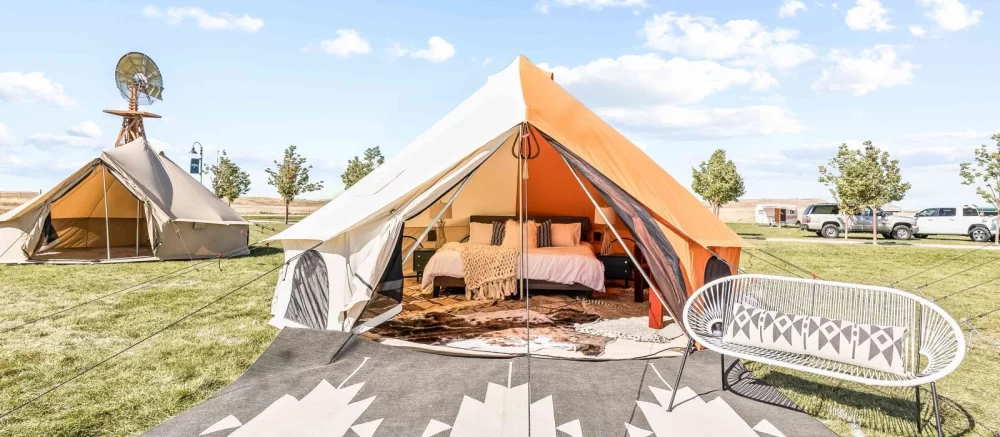
When setting up multiple tents at camp, the initial step is thoughtful planning of the campsite layout. This foundational decision influences the comfort, privacy, and overall camping experience for the group. Consider the terrain, natural windbreaks, proximity to water sources, and communal areas such as cooking spots or campfires. Avoid low-lying areas prone to flooding and look for flat, even ground to pitch tents securely.
Dividing the campsite into zones can help maintain order: sleeping zones, social zones, and storage zones. This segregation prevents overcrowding and reduces noise disturbances at night. For example, in one recent group camping trip I was part of, we positioned tents in a semi-circle around a fire pit, ensuring everyone could engage socially while retaining individual tent privacy.
Another crucial factor in layout planning is access routes. Paths between tents should be clear to avoid tripping hazards and allow easy movement, especially during night-time. Mapping this out before pitching tents can save a lot of hassle later.
1.1 Understanding Group Needs and Preferences
Each camping group has unique dynamics—families with children, friends, or mixed groups will have different requirements. Communicating with the group about preferences such as who wants quiet areas or who might need easier access to facilities can inform your layout. Planning with these nuances makes the camping experience more enjoyable for everyone.
2. Choosing the Right Tent Types and Sizes
The choice of tents plays a pivotal role in how effectively multiple tents can be set up and used. Different tents serve different purposes: small backpacking tents for quick setups, larger family tents for spacious sleeping arrangements, and specialized tents for gear storage.
Matching tents to campers’ needs ensures comfort and optimizes space. For instance, in one scenario, a group used a mix of dome tents and tunnel tents—dome tents provided quick setup and better wind resistance, while tunnel tents offered more internal space for families.
When selecting tents, consider their dimensions carefully. Avoid overcrowding tents too close to each other to preserve airflow and reduce condensation inside the tents. It’s also wise to have a couple of extra smaller tents as contingency options for unexpected guests or gear storage.
2.1 Investing in Quality Equipment
Quality camping gear affects not only comfort but also safety. Well-made tents with reliable waterproofing and sturdy poles reduce risks from sudden weather changes. Camping Rural offers a great selection of tents suitable for various group camping needs, helping you find the perfect tents to fit your group size and environment.
3. Step-by-Step Guide to Setting Up Multiple Tents
Setting up multiple tents can feel overwhelming, but breaking the process into clear steps simplifies the task:
3.1 Clear and Prepare Each Tent Spot
Remove sticks, rocks, and debris. Level the ground as much as possible, using a small shovel or ground mat to create a flat base.
3.2 Pitch Tents Starting from the Largest
Start with the largest tents first, usually family or communal tents. This helps anchor your campsite and guides the arrangement of smaller tents around them.
3.3 Secure Tent Anchors and Rain Flies
Make sure all tents are firmly pegged. In windy conditions, use extra guy lines and double-check stability. Applying rain flies properly ensures dry shelter during unexpected showers.
3.4 Organize Communal Areas Between Tents
Leave enough space between tents for social activities, cooking, and storage without interfering with each other’s privacy. Maintain clear walkways and designate quiet zones away from the fire pit or social hub.
3.5 Check and Adjust Lighting and Privacy
Arrange tent entrances to face away from direct sightlines if privacy is a concern. For safety and convenience, place lanterns or solar lights along paths.
4. Tips for Optimizing Tent Arrangement for Comfort and Safety
Beyond the basics, some tips can enhance your camping setup:
4.1 Consider Environmental Factors
Wind direction, sun exposure, and natural shading all influence tent placement. Position tents so entrances are shielded from prevailing winds but still receive morning sun to dry dew inside the tent.
4.2 Maintain Distance for Fire Safety
Campfires are often the heart of camping nights, but safety is paramount. Maintain at least a 10-foot distance between tents and fire sources to prevent accidents.
4.3 Use Shared Gear Strategically
Setting up communal gear areas for cooking and eating away from sleeping tents helps control odors and keeps wildlife away. Store food securely in designated spots.
4.4 Plan for Emergencies
Identify and communicate emergency exits and meeting points within the campsite. Keep first aid kits easily accessible to everyone.
5. Real-Life Experience and Personal Insights
During a memorable camping trip in the Rockies, our group faced a sudden thunderstorm just hours after setting up multiple tents. Thanks to a well-planned layout with adequate spacing and sturdy tent choices, everyone stayed dry and safe. Our tents were arranged in clusters, balancing social interaction and personal space. One key lesson was the importance of rehearsing tent setup as a group before arrival, which significantly reduced setup time and stress.
Moreover, sharing gear and responsibilities fostered a stronger sense of community. For example, one camper took charge of securing tents during the storm, while others focused on keeping food safe. These moments create stories that deepen bonds beyond the camping trip.
For those looking to equip themselves well, Camping Rural provides a comprehensive range of tents and camping essentials to help you prepare for any group camping scenario, ensuring a smooth and enjoyable experience.
 Oasis Mobile Home & RV Park3.0 (26 reviews)
 Colton Mobile Home Park5.0 (5 reviews)
 Huron River Valley - Sandusky Resort, Marina And Campground4.0 (214 reviews)
 Plaza RV and Trailer Park3.0 (87 reviews)
 OUT IN THE COUNTRY RV PARK5.0 (7 reviews)
 Dirks Resort Campground3.0 (18 reviews)
 10 Must-Visit Campgrounds in the Midwest for Your Next Outdoor Adventure
 Romantic Camping Spots for Couples: Perfect Getaways in Nature
 Ultimate Guide to Off the Grid Camping in Remote Locations
 How to Cook Over a Campfire Safely for an Enjoyable Outdoor Experience
 Vanlife in Winter: My Personal Experience Living on the Road
 From City to Camp: My Journey to Nature and What I Learned