
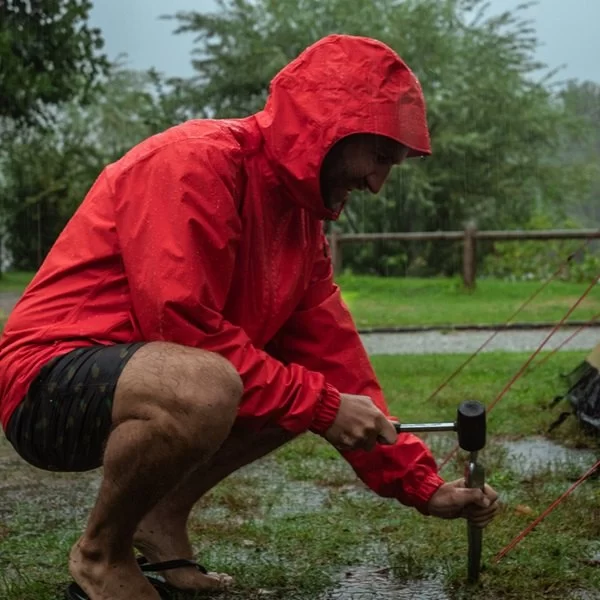
How to Survive a Thunderstorm While Camping: Essential Tips and Safety Measures
survive thunderstorm while camping, camping safety during thunderstorms, thunderstorm camping tips, camping in bad weather, what to do during a thunderstorm camping, camping thunderstorm survival guide, staying safe during a thunderstorm
Learn how to survive a thunderstorm while camping with these essential tips and safety measures. Discover the best ways to prepare for a storm, stay safe during bad weather, and ensure a safe camping experience even when thunderstorms hit.
- Why Thunderstorms Are Dangerous for Campers
- Preparing for a Thunderstorm While Camping
- What to Do During a Thunderstorm While Camping
- Real-Life Story: Surviving a Thunderstorm While Camping
- Must-Have Camping Safety Gear for Thunderstorms
Why Thunderstorms Are Dangerous for Campers
Thunderstorms can be a thrilling but dangerous part of camping, especially when you’re in the wilderness, far from the safety of your home. The risks are not just limited to the intense lightning strikes that come with thunderstorms but also include high winds, torrential rain, and even hail. As a camper, it’s important to understand how these storms can impact your safety and what steps to take to protect yourself and your group.
In my experience, the danger from a thunderstorm comes in multiple forms. First, the heavy rain can quickly turn your campsite into a soggy mess, making it harder to stay dry and warm. Second, lightning is a serious threat—if you're caught in an open field or near tall trees, the risk of being struck increases. And then there’s the wind—strong winds can knock down tents, break branches, and even cause injury if you're not prepared. This is why having a plan for thunderstorms is essential when you’re camping.
Preparing for a Thunderstorm While Camping
The best way to survive a thunderstorm while camping is to prepare ahead of time. Here are a few important steps you can take to ensure your safety before the storm hits:
1. Check the Weather Forecast
Before you set off on your camping adventure, always check the weather forecast for the area you plan to visit. Thunderstorms can be predicted in advance, so having an idea of when one might occur gives you a chance to plan accordingly. If thunderstorms are forecasted for the area you’re visiting, you may want to reconsider your trip or make alternate plans. In my case, I once found myself camping in an area with a high likelihood of thunderstorms, so I adjusted my plans and took extra precautions to ensure my safety.
2. Choose Your Campsite Wisely
When camping, the location of your campsite plays a huge role in your safety during a thunderstorm. Avoid setting up your tent near tall trees, ridgelines, or open areas, as these places are more prone to lightning strikes. Instead, find a low-lying area, like a valley or a spot protected by natural terrain. Also, steer clear of rivers, streams, or flood-prone areas where heavy rain could lead to dangerous flooding.
3. Bring Appropriate Gear
Having the right gear is crucial for surviving a thunderstorm while camping. You’ll need a sturdy tent that can withstand strong winds and rain. A waterproof tent with a good rainfly is essential for keeping you dry. I also recommend packing extra layers of clothing, a weatherproof jacket, and durable footwear, as the weather can change quickly. A portable weather radio can also be a lifesaver for staying informed about the storm’s progress.
4. Know How to Evacuate
If a thunderstorm becomes too severe, it’s essential to know where you can seek shelter. Some campsites have designated shelters or storm-safe areas, so make sure you familiarize yourself with these locations upon arrival. In a worst-case scenario, it’s important to be able to evacuate to a nearby building or vehicle to wait out the storm. Don’t wait too long to act—if you see signs of a severe storm, it’s better to move to safety sooner rather than later.
What to Do During a Thunderstorm While Camping
If a thunderstorm catches you by surprise or arrives earlier than expected, staying calm and following these steps can make all the difference in your safety:
1. Stay Inside Your Tent or Shelter
Once the storm begins, take shelter inside your tent or any nearby shelter. Stay away from the edges of the tent, as strong winds and heavy rain can cause damage. If you’re in a tent, avoid touching the walls or fabric, as wet materials can conduct electricity in case of a lightning strike. In my experience, I’ve found that keeping your tent organized and secure is crucial during storms to prevent any leaks or damage.
2. Avoid Water and Electrical Equipment
Water conducts electricity, so avoid standing or sitting in puddles or near streams during a thunderstorm. Also, keep any electrical equipment, such as phones or radios, away from wet areas to reduce the risk of electric shock. I’ve made sure to pack all my electronics in waterproof bags, which helps keep them safe and dry during thunderstorms.
3. Listen to Weather Alerts
If you have a portable weather radio or any other way to receive weather updates, keep it close by. Pay attention to warnings for severe weather, including tornadoes, hail, or flash floods. These additional dangers can occur during thunderstorms and may require you to take immediate action. I remember a storm during a past camping trip when we received a flash flood warning—knowing this allowed us to quickly move to higher ground and avoid a dangerous situation.
Real-Life Story: Surviving a Thunderstorm While Camping
On one of my previous camping trips in the Rocky Mountains, I encountered a thunderstorm that turned into a major learning experience. The weather forecast had predicted some light rain, but as the evening approached, we noticed dark clouds rolling in quickly. Within minutes, the wind picked up, and heavy rain started to pour. We were in a low valley near a stream, so we quickly moved our campsite to higher ground to avoid flooding.
As the storm intensified, we huddled inside our tents and waited it out. The lightning was particularly frightening, and the wind caused our tents to flap wildly. Thanks to our preparation and the sturdy tents, we were able to stay dry and safe. The storm lasted several hours, but our knowledge of what to do during a thunderstorm kept us protected. Once the storm cleared, we were able to continue our adventure, grateful for the experience and the lessons we’d learned.
Must-Have Camping Safety Gear for Thunderstorms
Having the right safety gear is essential for surviving a thunderstorm while camping. Here are a few key items that can help you stay safe:
- Sturdy, waterproof tent: A high-quality tent with a good rainfly will protect you from rain and wind.
- Weatherproof jacket and extra layers: Be prepared for changing weather with warm, waterproof clothing.
- Portable weather radio: Stay informed with real-time weather updates to help you make informed decisions.
- Waterproof bags: Keep electronics and valuables safe from water damage with waterproof bags.
- Headlamp or flashlight: Always have a reliable light source to guide you in the dark.
By taking the right precautions and knowing what to do during a thunderstorm, you can ensure a safer, more enjoyable camping experience. The key is to stay prepared, stay calm, and always be ready to take action if the storm worsens.

 Juniper Flats Group Campsite5.0 (4 reviews)
 MC-RV PARK4.0 (9 reviews)
 Begley’s Campground4.0 (211 reviews)
 Mink Lake5.0 (2 reviews)
 Central Rogue Mobile Home Park4.0 (10 reviews)
 Stockton State Park Campground/RV4.0 (14 reviews)
 10 Must-Visit Campgrounds in the Midwest for Your Next Outdoor Adventure
 Romantic Camping Spots for Couples: Perfect Getaways in Nature
 Ultimate Guide to Off the Grid Camping in Remote Locations
 How to Cook Over a Campfire Safely for an Enjoyable Outdoor Experience
 Vanlife in Winter: My Personal Experience Living on the Road
 From City to Camp: My Journey to Nature and What I Learned