
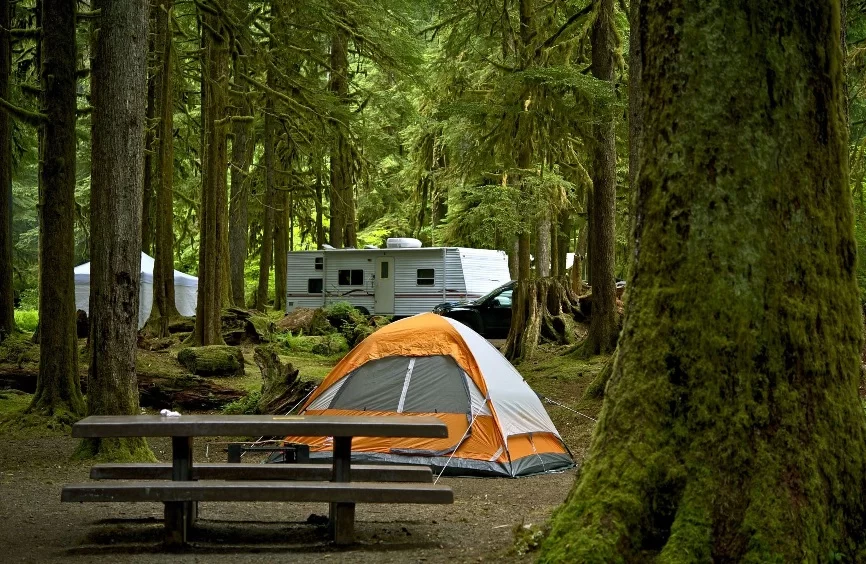
Camping Blog | Tips, Gear Reviews & Campground Guides – Camping-Rural
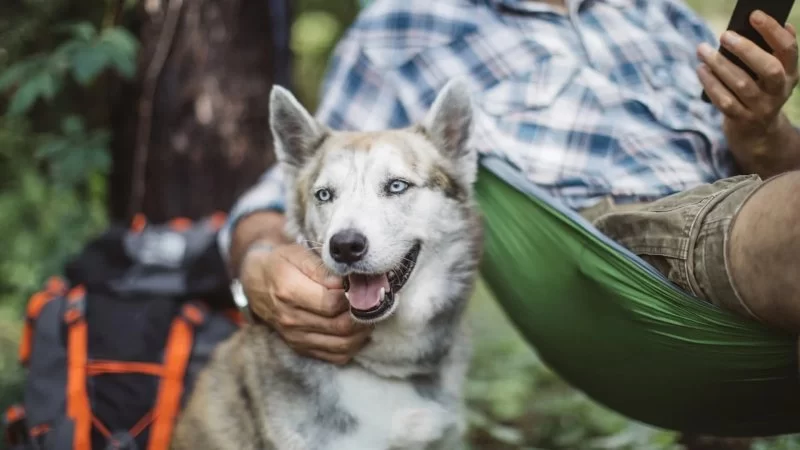 Camp With Dogs Safely: Expert Advice and Pro Tips
Learn how to camp with dogs safely. Get expert advice on gear, safety tips, and pro recommendations for the perfect remote camping adventure with your dog.
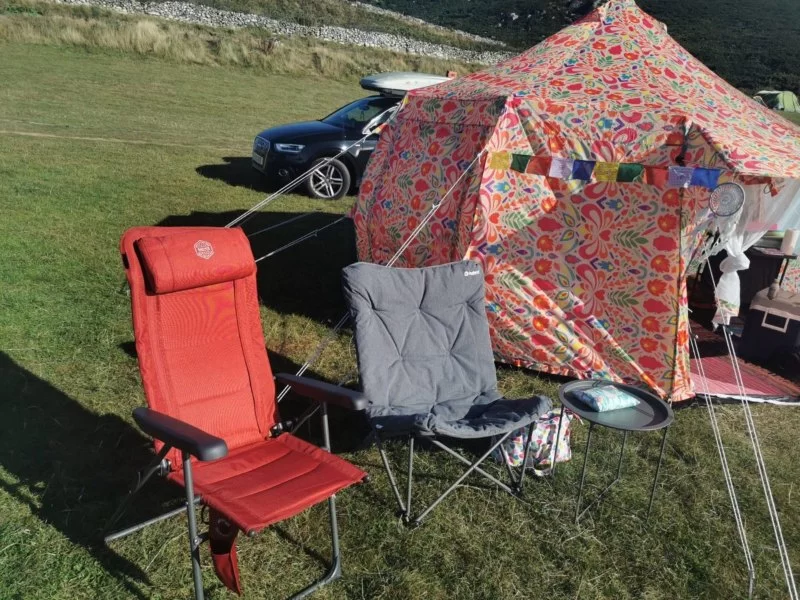 Complete Guide to Camping Gear: Advice, Recommendations, and Pro Tips for US Campers
"Discover expert advice, gear recommendations, and pro tips for US campers. Learn everything you need to know about choosing the right camping gear and making your camping trip a success."
 The
TheA short and clear summary that includes core keywords and entices users to click through to the article.
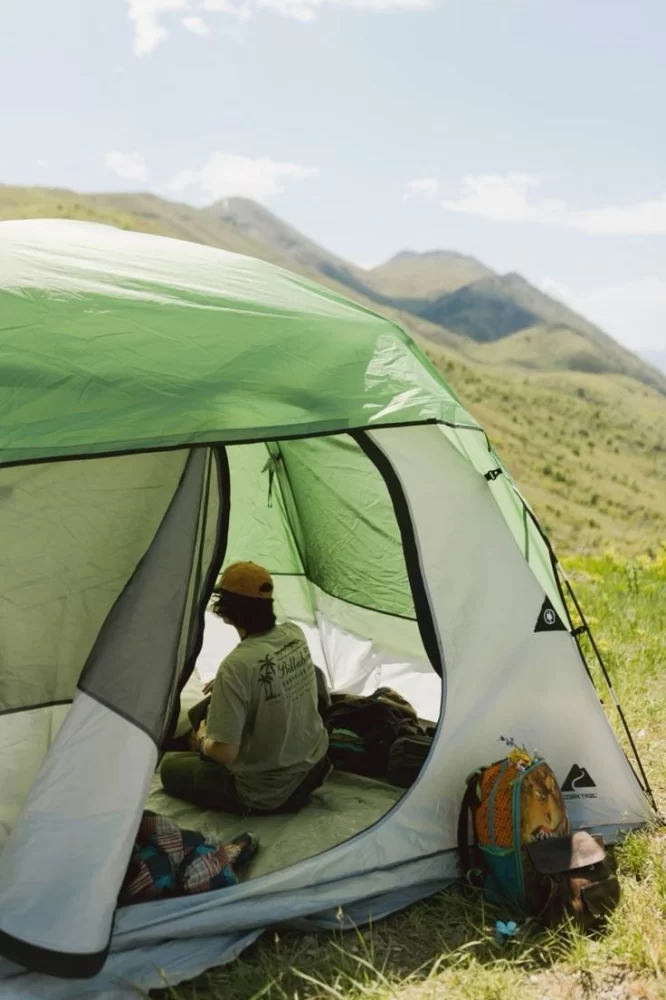 Complete Guide to Summer Camping Hacks for Hot Weather: Expert Tips and Gear for US Campers
Discover expert camping tips and gear recommendations for hot weather camping. Learn how to stay cool, choose the right equipment, and make the most of your summer camping experience in 2026.
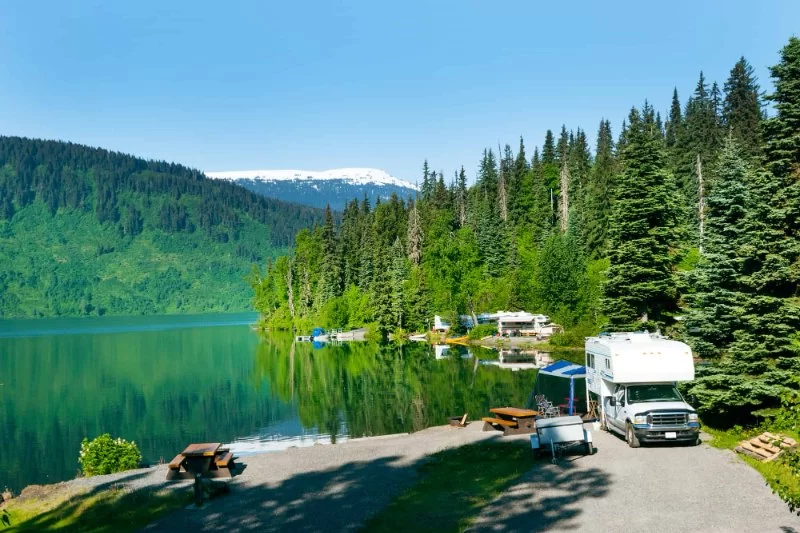 For US Campers Complete Guide to RV Park Etiquette: Expert Advice
Learn essential RV park etiquette for US campers with expert advice. Discover practical tips, real experiences, and guidelines to enjoy respectful and stress-free RV camping.
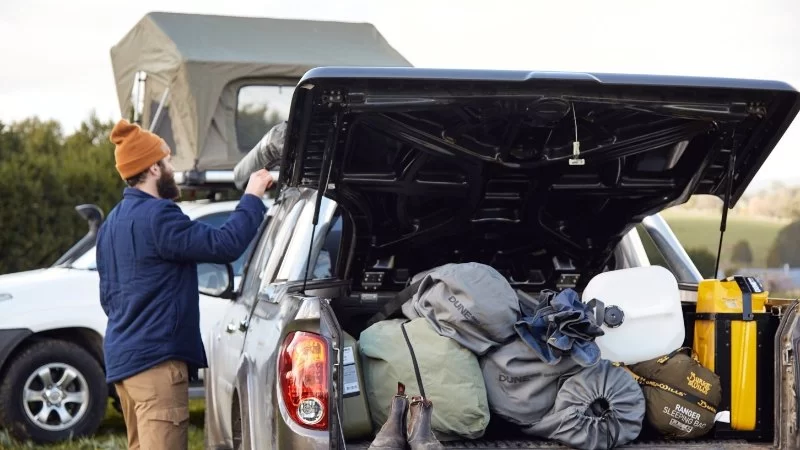 Spring Camping Essentials Checklist for Your Outdoor Adventure
Explore expert advice and a complete checklist for spring camping essentials. Learn about the best gear to bring for your outdoor adventure in spring. The Ultimate Guide to Spring Camping Checklist Essentials Spring camping is a fantastic way to connect with nature, enjoy the outdoors, and create lasting memories. As the weather starts to warm up, the great outdoors becomes an inviting place for campers of all levels. Whether you’re a seasoned camper or new to the outdoor lifestyle, it’s important to be well-prepared with the right gear. From sleeping bags to cooking supplies, there are essential items that you need to ensure your trip is a success. Having a comprehensive spring camping checklist will make packing easier and ensure you don't forget anything vital. 1. What to Consider Before Your Spring Camping Trip Before diving into the checklist, it's important to consider a few key factors. First, the spring weather can be unpredictable. While it might be sunny and warm during the day, the temperatures can drop significantly at night. It's crucial to be prepared for all weather conditions, from chilly evenings to potential rain showers. Additionally, spring camping often means you'll be camping in areas with blooming wildlife and plants. Always check for local regulations, especially if you're camping in wildlife-rich areas, and make sure you pack everything necessary for your safety. 2. The Essential Gear for Spring Camping When it comes to spring camping, having the right gear is everything. Here's a breakdown of the essential items you'll need for a comfortable and enjoyable outdoor experience: 2.1 Sleeping Gear Staying warm and comfortable while sleeping is key. A good-quality sleeping bag is essential for spring camping. Opt for a sleeping bag rated for temperatures slightly lower than the average nighttime temperature in the area where you’re camping. Remember, it’s better to be slightly too warm than to be cold at night. Consider investing in an insulated sleeping pad as well. It’ll provide an extra layer of warmth from the cold ground, which can be especially important during chilly spring nights. A cozy pillow to support your head will also help you rest more soundly. 2.2 Tent and Shelter Choosing the right tent for your spring camping adventure is crucial. Look for a tent that’s breathable yet durable enough to handle spring rain showers. A three-season tent is ideal because it offers the best balance of ventilation, warmth, and weather protection. If you’re camping in an area with heavy vegetation, a mosquito net or tent with built-in insect protection can ensure a more comfortable experience. 2.3 Clothing and Footwear Layering is essential in the springtime, as the temperature fluctuates throughout the day. Start with moisture-wicking base layers to keep sweat away from your skin, and add a fleece or lightweight jacket for warmth. Bring a waterproof jacket to protect against sudden rain showers. For footwear, consider wearing sturdy, waterproof boots with good grip, especially if you plan on hiking or walking through muddy or wet conditions. 2.4 Cooking and Food Supplies Cooking outdoors is one of the joys of camping. A reliable camp stove is a must-have for spring camping trips, and make sure to pack extra fuel for cooking. A lightweight pot or pan, some utensils, and a portable coffee maker will also be handy. Don't forget the essential food supplies, including non-perishable foods that can be easily prepared outdoors. If you prefer fresh food, consider packing a cooler with ice packs to store perishable items like fruits, vegetables, and dairy products. 3. Essential Tools and Equipment In addition to basic gear, there are several tools and accessories that can make your camping trip more convenient and enjoyable: 3.1 Lighting Having the right lighting is crucial, especially for nighttime activities or navigating your campsite after dark. A reliable headlamp or flashlight is a must. Consider packing extra batteries, as you'll need them to keep your lights functioning throughout your trip. 3.2 First Aid Kit A well-stocked first aid kit is essential for any camping trip, and it’s especially important during spring, when allergies and bug bites are common. Your first aid kit should include bandages, antiseptic wipes, pain relief medication, allergy medication, and anything else you may need to treat minor injuries. 3.3 Navigation and Safety If you're camping in an unfamiliar area, a map or compass is important for navigation. An emergency whistle, a multi-tool, and a firestarter can also help you stay safe in case of an emergency. It’s always better to be over-prepared when it comes to safety. 4. Spring Camping Tips and Tricks Aside from the gear, there are several strategies and tips that can make your spring camping experience even better: 4.1 Stay Organized Keeping your gear organized can make your life easier while camping. Use waterproof bags to store food, toiletries, and other essentials. You’ll also want to pack lightweight and compact items that are easy to carry, especially if you plan to do any hiking or traveling between campsites. 4.2 Stay Hydrated Staying hydrated is essential for health, especially when hiking or spending a lot of time outdoors. Carry a refillable water bottle or a hydration pack and be sure to drink water throughout the day, even if you don’t feel thirsty. 4.3 Know the Weather The spring weather can change rapidly, so it's important to check the forecast and prepare for all conditions. Bring extra layers for warmth, as well as waterproof gear in case of rain. Always have a backup plan for shelter if you’re camping in an area prone to sudden weather changes. 5. When to Seek Professional Help In some cases, you might need help setting up your campsite or even towing your RV to a new location. If you encounter mechanical issues with your RV or face an emergency, seeking professional help is crucial. Consider booking a reliable towing service or campsite assistance, especially when venturing to remote areas. If you’re looking for professional services and gear for your next adventure, visit [Camping Rural] for the best products and services to enhance your camping experience.
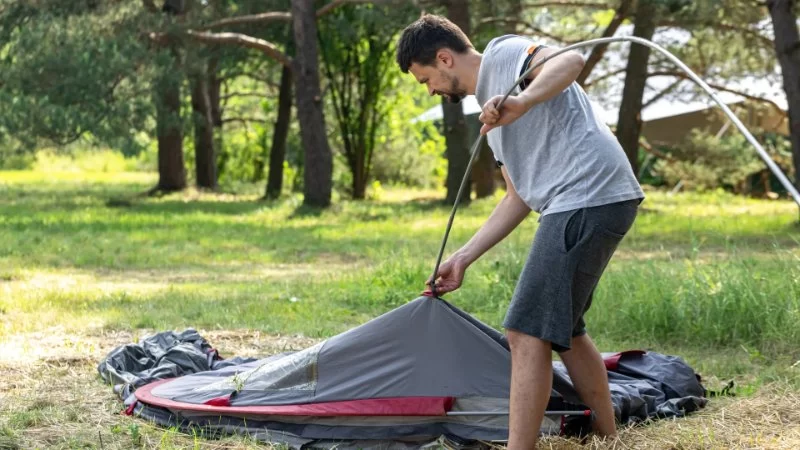 Tent Camping: Expert Advice, Gear Recommendations, and Pro Tips for US
Get expert advice, gear recommendations, and pro tips for tent camping in the US. Learn how to choose the best camping gear and plan an unforgettable outdoor adventure. Tent Camping: Expert Advice, Gear Recommendations, and Pro Tips for US 1. Understanding the Basics of Tent Camping 2. Choosing the Right Tent and Camping Gear 3. Pro Tips for a Successful Tent Camping Trip 4. How to Prepare for Different Camping Environments 5. Real-Life Tent Camping Stories and Experiences Tent camping is one of the most popular ways to experience the great outdoors, and for good reason. Whether you’re a seasoned camper or a beginner, there’s something incredibly rewarding about setting up a tent and spending the night under the stars. I remember my first time camping in a tent—it was an unforgettable experience that sparked my love for outdoor adventures. But to truly enjoy it, there’s more to tent camping than just pitching a tent. Understanding the basics can make all the difference. Tent camping is about much more than simply setting up a tent—it’s about planning, preparing, and knowing what to expect. In this article, I’ll share some expert advice, the best gear recommendations, and pro tips I’ve picked up along my own camping journey to help you enjoy your next tent camping adventure. 2. Choosing the Right Tent and Camping Gear Choosing the right camping gear is critical to your experience. Over the years, I’ve learned that packing light but effectively is the best way to ensure a successful camping trip. Here’s a breakdown of some key elements to consider when selecting your tent and gear: 1. Tent Selection The tent is the centerpiece of any camping trip, and choosing the right one can make or break your experience. I’ve learned that there are several factors to consider when selecting a tent. The size of your group, the weather conditions, and the type of terrain all play a role. For example, a four-season tent is ideal for colder or more extreme environments, while a three-season tent works well in milder conditions. Always ensure that your tent is large enough to fit your group comfortably, with space for gear. 2. Sleeping Bags and Pads Comfort is key when tent camping, and nothing ruins a camping trip faster than a sleepless night. I always opt for a sleeping bag that’s rated for the season, ensuring I stay warm in colder weather. A sleeping pad or inflatable mattress also makes a huge difference, providing insulation and cushioning from the ground. 3. Cooking Gear Tent camping often means cooking outdoors, so the right gear is essential. I recommend packing a lightweight stove or portable grill, as well as durable cookware like stainless steel pots and pans. Make sure you bring along the right fuel and plenty of snacks to keep you energized while out on the trail. 4. Clothing and Accessories Layering is one of the best strategies for camping clothing. Whether you’re dealing with cold nights or warm days, I always pack a combination of moisture-wicking base layers, insulating layers, and waterproof outer layers. Good hiking boots, hats, and gloves are also a must for comfort and protection. 3. Pro Tips for a Successful Tent Camping Trip After many camping trips, I’ve gathered a handful of pro tips that have helped me have more enjoyable and stress-free outdoor experiences. Here are some of the best tips I can offer: 1. Set Up Your Tent Early One of the most common mistakes I’ve made (and seen others make) is waiting too late to set up camp. It’s best to arrive at your campsite with plenty of daylight left to properly set up your tent. Doing so ensures you’re not rushing in the dark and can get settled in comfortably before nightfall. 2. Organize Your Gear When packing for a camping trip, organization is key. I always bring a camping checklist and ensure I keep my gear organized in different bags or compartments. This not only saves time when you’re looking for something, but it also helps prevent items from getting lost or damaged. 3. Bring Extra Layers and Gear The weather can be unpredictable, so I always pack extra layers of clothing, even in warm weather. A lightweight rain jacket, additional socks, and a warm hat can come in handy if temperatures drop unexpectedly. I also keep a backup of essential gear, like a flashlight or lighter, in case of emergencies. 4. How to Prepare for Different Camping Environments Each camping environment comes with its own set of challenges and rewards. Whether you’re camping in the desert, the mountains, or by the lake, preparing for the unique conditions is crucial. Here’s how I tailor my gear and approach depending on where I’m camping: 1. Desert Camping When camping in desert environments, I always pack plenty of water, as hydration is key in dry, hot climates. Lightweight, breathable clothing is also essential for staying cool, and I avoid setting up camp in areas that could get too hot during the day. Shade, like a tarp or small awning, can make a huge difference during the hottest parts of the day. 2. Mountain Camping In the mountains, temperatures can fluctuate drastically. I’ve learned that layering is the best approach to handle cold nights and warmer days. A sturdy tent with good ventilation is important to protect you from the elements. For mountain trails, I also ensure I have hiking boots with proper grip and ankle support. 3. Lakeside Camping Lakeside camping is great for fishing, swimming, and enjoying water activities. I make sure to bring a waterproof bag for electronics, a portable cooler for keeping food fresh, and insect repellent, especially in the warmer months when bugs are more active. 5. Real-Life Tent Camping Stories and Experiences I’m not the only one who’s learned valuable lessons on the trail. Over the years, I’ve heard many camping stories from fellow adventurers. Here are a couple of memorable experiences: 1. A Snowstorm in the Sierra Nevadas A fellow camper shared the story of a trip to the Sierra Nevadas, where they were caught in an unexpected snowstorm. They had to quickly adapt their setup, adding extra layers to their tent and securing the flaps to prevent the snow from getting in. Thanks to their preparation, they stayed warm and safe despite the storm. 2. A Perfect Lakeside Getaway Another camper spoke about their experience camping by a beautiful lakeside in Michigan. The mornings were crisp, but the afternoons warmed up perfectly. They made the most of their trip by fishing, cooking meals over the fire, and enjoying the serene surroundings. Their story reminded me of the simplicity and peace that camping brings. If you’re ready to plan your own tent camping trip, be sure to check out Camping Rural for expert gear recommendations, camping tips, and more. Whether you're a seasoned camper or a first-timer, you'll find everything you need to make your outdoor adventure unforgettable.
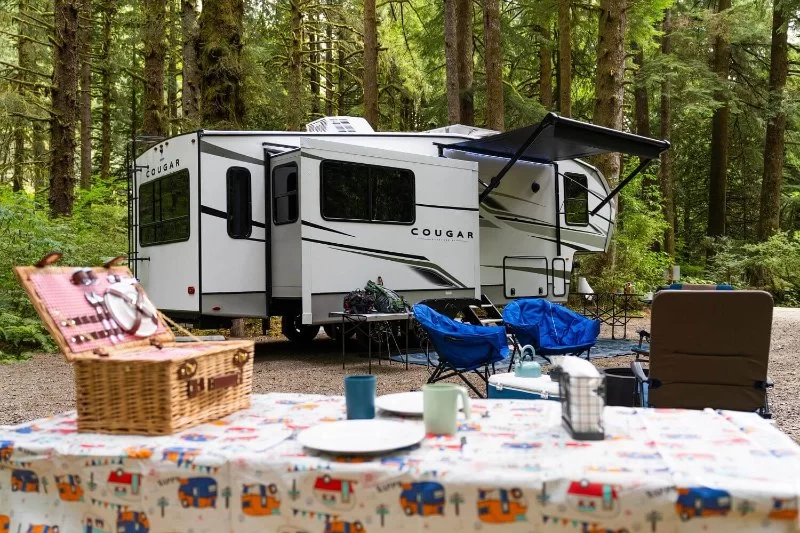 Recommendations and Pro Tips for US Campers Complete Guide to How To
Discover recommendations and pro tips for US campers in this complete guide to how to plan, pack, and enjoy your camping trips with expert advice and real experiences.
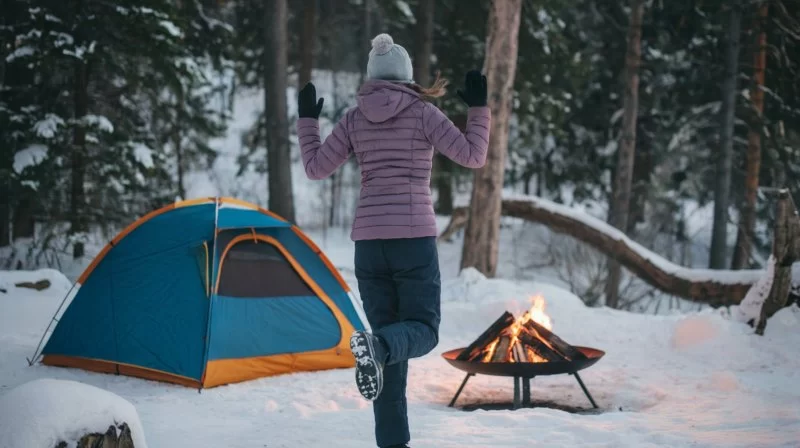 How to Stay Warm While Camping: A Complete Guide for US Campers
Discover expert tips and essential gear to stay warm while camping, including advice for US campers on how to handle cold weather and make your camping experience enjoyable. How to Stay Warm While Camping: A Complete Guide for US Campers -Understanding-Camping-Conditions -Essential-Warmth-Tips-for-Winter-Camping -Top-Rated-Camping-Gear-for-Cold-Weather -Personal-Experiences-and-Stories -How-to-Maintain-Heat-in-Extreme-Conditions -Choosing-the-Best-Camping-Sites-for-Winter 1. Understanding Camping Conditions When I first started camping in colder weather, I was overwhelmed by how much I didn’t know about staying warm. It’s not just about packing more layers—it’s about understanding the environmental factors that affect your warmth. The most important thing I’ve learned is that staying warm while camping requires both the right mindset and the right tools. 1. Wind is your enemy.One of the biggest challenges to staying warm is the wind. Even when temperatures aren’t extreme, wind can quickly reduce the warmth of your body and your gear. I learned this the hard way on a trip to the Rockies, where gusts near the lake made my warm jacket feel like it was doing nothing. 2. Moisture makes things worse.Whether it’s from rain, snow, or sweat, moisture is a killer when it comes to warmth. I’ve experienced how quickly wet socks can turn a pleasant hike into an uncomfortable ordeal. Keeping your gear dry is just as important as the clothing you wear. 3. Altitude affects temperature.If you’re camping in the mountains, it’s vital to be prepared for how quickly temperatures can drop as you gain altitude. I remember a trip in Colorado where we were caught off guard by a cold snap that dropped temperatures drastically as we moved up the trail. 2. Essential Warmth Tips for Winter Camping Over the years, I’ve discovered a few key practices that have made my cold-weather camping trips far more comfortable. If you’re planning to camp in cold temperatures, these tips could be game-changers. 1. Layering is your best strategy.When I first heard about the "layering system," I thought it was just a buzzword. But after years of winter camping, I can’t overstate how important it is. The key is to have moisture-wicking base layers, an insulating mid-layer, and a waterproof, windproof outer layer. This system keeps me warm and dry, no matter the conditions. 2. Insulated sleeping bags are a must.My first winter camping trip left me shivering all night because I underestimated the importance of a good sleeping bag. A high-quality, insulated sleeping bag that is rated for cold temperatures makes all the difference. I always ensure mine is rated for at least 10 degrees lower than the forecasted lows to be safe. 3. Invest in good insulation for your tent.A cold night in the wrong tent can feel like an ordeal. Since then, I’ve switched to a four-season tent with proper insulation. It helps keep the cold out and retains heat much better than a standard three-season model. 4. Heat packs and hand warmers are lifesavers.Even with the right gear, sometimes you just need that extra warmth. I always pack disposable hand warmers and toe warmers. They are perfect for a quick boost and are small enough to store in my pockets. 3. Top-Rated Camping Gear for Cold Weather To maximize comfort in cold weather, having the right gear is essential. After years of testing different products, I can confidently recommend these items that have kept me warm through various cold-weather camping trips. 1. Therm-a-Rest NeoAir XTherm Sleeping PadThe first time I used this sleeping pad, I couldn’t believe how warm it was. It’s an insulated pad that provides excellent comfort even on cold, hard ground. This one is a must-have for me in winter camping. 2. Big Agnes Sleeping Bags (Super Scout or Summit Series)Big Agnes is known for making excellent sleeping bags. I’ve used their sleeping bags on numerous trips, and they’ve never let me down. Their Super Scout or Summit series are rated for colder temperatures and are my top choice for any winter adventure. 3. MSR WhisperLite International StoveIf you’re cooking in cold weather, you need a stove that can handle low temperatures. The MSR WhisperLite International is an all-season stove that works perfectly in freezing conditions. I’ve relied on it during winter backpacking trips for hot meals and drinks. 4. Columbia Whirlibird IV Interchange JacketVersatility is key in cold weather. This jacket can be worn as a liner, outer shell, or both. I’ve used it for multiple winter camping trips and love its ability to keep me warm while being breathable enough for hiking. 4. Personal Experiences and Stories One of my favorite stories about cold-weather camping comes from a trip to the Adirondacks. We were caught in a sudden snowstorm, and the temperature dropped faster than expected. I had the right gear, but one of my friends didn’t—he had only a 3-season sleeping bag. That night, he learned how crucial it is to have the right equipment for the conditions. After that, he invested in a higher-rated sleeping bag, and it completely changed his winter camping experiences. Another memorable experience happened while camping in the Smoky Mountains in late fall. I had packed a warm jacket, but I didn’t expect the temperatures to dip as much as they did. That night, my jacket wasn’t enough, and I ended up layering all my clothes to keep warm. I’ve learned since then that even in fall, it’s always better to overprepare. 5. How to Maintain Heat in Extreme Conditions Maintaining warmth in extreme conditions requires more than just wearing the right layers—it’s also about being mindful of your surroundings and actions. 1. Use a tent heater (when safe).If you’re camping in very cold temperatures, using a small tent heater can be a great way to maintain heat. I always use one with proper ventilation, like a catalytic heater, to ensure I’m safe from carbon monoxide. 2. Keep your clothes dry.Once you sweat, your clothes lose their insulating ability. I’ve made the mistake of working up a sweat while hiking, only to feel freezing when I stopped. Changing into dry clothes immediately can help maintain body heat. 3. Eat high-energy foods.Food plays a big role in how your body generates heat. I always pack foods that are high in fat and protein for extra warmth. It may seem simple, but a good meal can make a significant difference when you’re braving the cold. 6. Choosing the Best Camping Sites for Winter Not all campsites are created equal when it comes to cold weather. I’ve learned that selecting the right spot can drastically affect your comfort and warmth. 1. Look for sheltered spots. Wind is your biggest enemy, so finding a camping site that offers natural wind protection is key. I always aim to camp near trees or rock outcroppings that can break the wind. 2. Pick higher ground. Cold air settles in low-lying areas, so choosing a higher campsite helps avoid the chill that comes from cold air settling at lower elevations. 3. Avoid damp areas. A wet campsite can quickly turn into a nightmare. I always check for signs of moisture, like snow runoff or nearby streams, and opt for higher, drier ground.
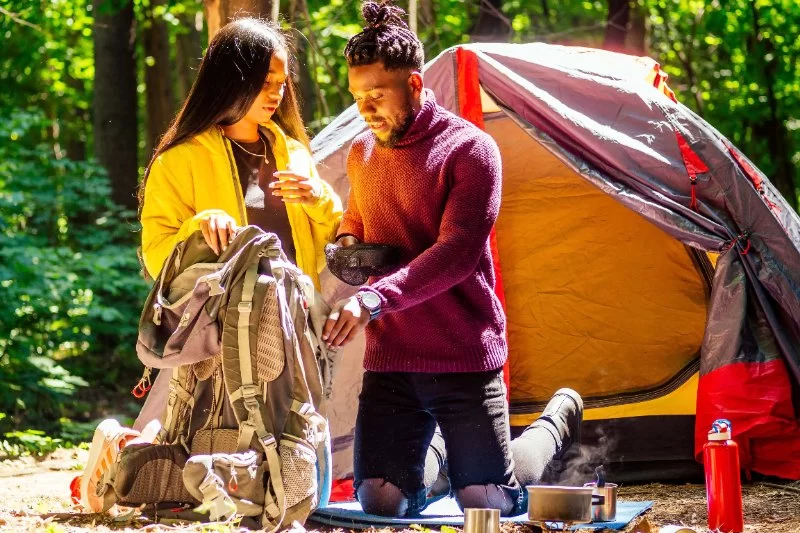 Camping Tips For Beginners: Expert Advice, Gear Recommendations, and Pro Tips
Discover expert camping tips for beginners, essential gear recommendations, and pro advice for your first outdoor adventure. Learn how to prepare and enjoy camping with confidence.
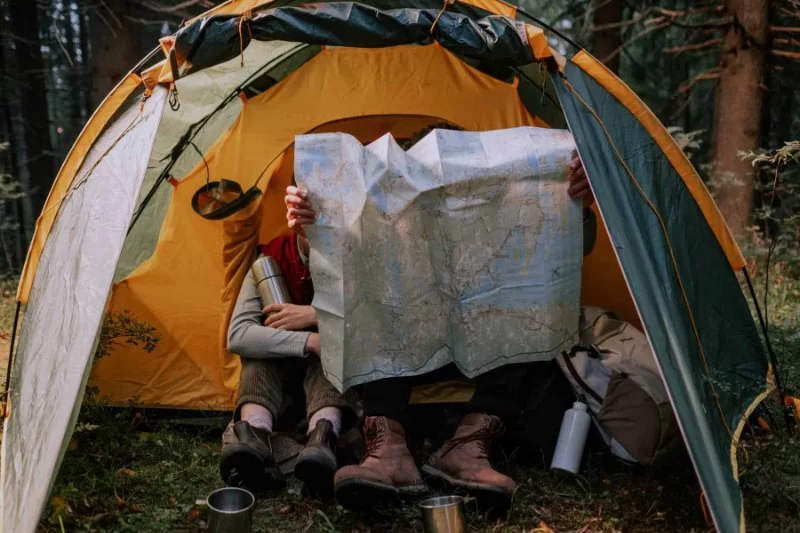 Advice, Gear Recommendations, and Pro Tips for US Campers Complete Guide
Discover expert advice, gear recommendations, and pro tips for US campers in this complete guide. Learn essential equipment, planning strategies, and safety tips for unforgettable outdoor adventures.
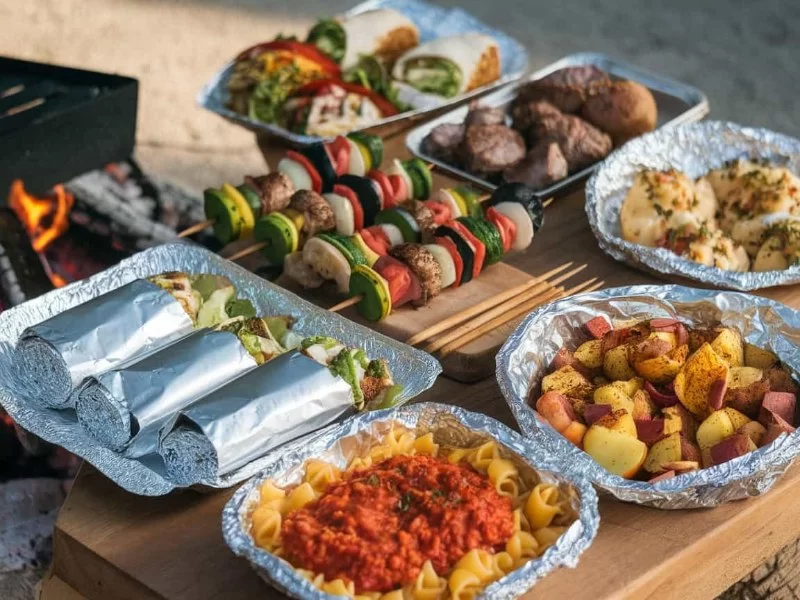 Expert Guide to Camping Meal Prep Ideas for Families: Tips for Easy and Delicious Meals
Explore expert camping meal prep ideas for families. Discover easy and delicious meals that are perfect for your next camping trip. From simple recipes to efficient meal planning, this guide will help you make the most of your outdoor dining experience.
Categories
Popular Camping Sites
 Campsite #0285.0 (1 reviews)
 Harrison Bay State Park Campground Loop C4.0 (5 reviews)
 wonderful tonight cabin5.0 (1 reviews)
 Lazy Spokes Trailer Park3.0 (27 reviews)
 Foxridge Farm Community3.0 (388 reviews)
 Cave Junction KOA Journey4.0 (28 reviews)
Most Searched Camping Sites
Trending Camping Blog Posts
 10 Must-Visit Campgrounds in the Midwest for Your Next Outdoor Adventure
 Romantic Camping Spots for Couples: Perfect Getaways in Nature
 Ultimate Guide to Off the Grid Camping in Remote Locations
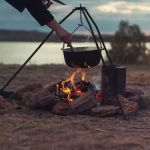 How to Cook Over a Campfire Safely for an Enjoyable Outdoor Experience
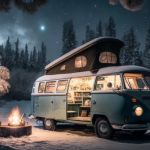 Vanlife in Winter: My Personal Experience Living on the Road
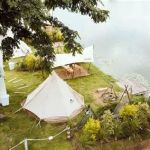 From City to Camp: My Journey to Nature and What I Learned