
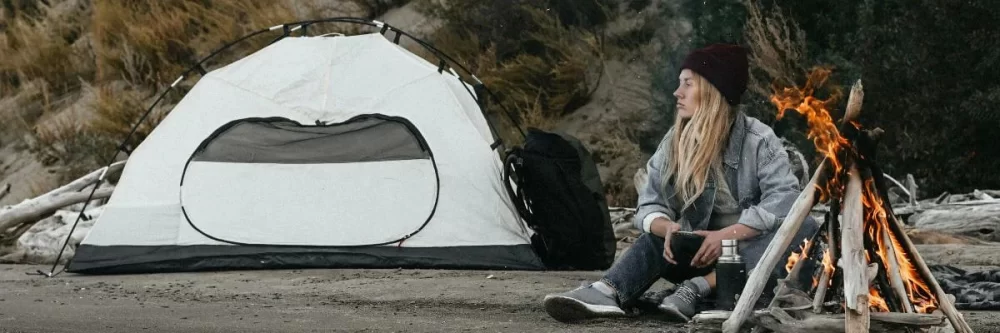
- Understanding Minimalist Camping Gear Checklist
- Core Items for Minimalist Camping
- Packing Smart and Efficiently
- Real-Life Example of Minimalist Camping
- Finding the Best Minimalist Camping Gear
1. Understanding Minimalist Camping Gear Checklist
Minimalist camping is about stripping down to the essentials—carrying only what you truly need to enjoy the outdoors comfortably and safely. A well-crafted minimalist camping gear checklist helps you focus on lightweight, multi-purpose items that reduce pack weight and bulk while maintaining functionality.
This approach not only lightens your load but enhances your camping experience by simplifying decisions and encouraging you to engage more deeply with nature. The checklist serves as a guide to prioritize items that serve multiple roles, ensuring efficiency and preparedness.
It’s important to understand that minimalism in camping doesn’t mean sacrificing comfort or safety but optimizing what you bring. The checklist is flexible and can be tailored based on the trip length, weather conditions, and personal needs.
2. Core Items for Minimalist Camping
Building a minimalist camping gear checklist starts with selecting core items that fulfill essential functions without unnecessary extras.
2.1 Shelter and Sleeping Gear
Lightweight tents or tarps with minimal setup are ideal. Ultralight sleeping bags or quilts designed for the expected climate keep you warm without added bulk. Compact sleeping pads provide comfort and insulation while being easy to carry.
2.2 Cooking and Food Preparation
Choose small, efficient stoves that run on minimal fuel, paired with lightweight cookware. Dehydrated or freeze-dried meals save weight and space, and a durable water filter or purification tablets ensure access to safe drinking water.
2.3 Clothing and Footwear
Versatile clothing that can be layered and dries quickly is essential. Merino wool or synthetic fabrics outperform cotton in damp or cold environments. Minimalist campers often bring one pair of sturdy hiking shoes and a lighter pair for camp use.
2.4 Navigation, Safety, and Tools
Compact navigation tools like a map and compass or GPS devices are crucial. A multitool replaces several individual tools, while a small, comprehensive first aid kit provides safety without excess weight.
3. Packing Smart and Efficiently
Once you have your checklist, how you pack can make a significant difference in weight distribution and accessibility.
3.1 Multi-Purpose Items
Every item should ideally serve more than one purpose. For example, a buff can be used as a face mask, towel, or headband. A lightweight pot can be used both for cooking and water storage.
3.2 Compression and Organization
Using compression sacks for bulky items like sleeping bags helps reduce volume. Packing cubes keep your gear organized, making it easier to find items without unpacking everything.
3.3 Trim the Excess
Review your checklist critically and remove anything that won’t be essential for your specific trip. Avoid packing “just in case” items unless they address a known risk or need.
4. Real-Life Example of Minimalist Camping
Jake, an outdoor enthusiast, once shared how adopting a minimalist camping gear checklist transformed his weekend hikes. Previously burdened by a heavy backpack filled with redundant gear, Jake struggled on steep trails and lost enjoyment due to constant fatigue.
After carefully selecting lightweight essentials and applying minimalist principles, Jake’s pack weight dropped by nearly 40%. This change not only improved his hiking speed and stamina but also deepened his connection with the wilderness by removing distractions. He recommends exploring trusted sources like Camping Rural for quality gear recommendations to build your perfect minimalist kit.
5. Finding the Best Minimalist Camping Gear
Choosing the right equipment is key to successful minimalist camping. For those looking to upgrade or start their collection, Camping Rural offers a curated selection of lightweight, durable, and multi-functional camping products. Their expert advice helps campers select gear tailored to individual needs and trip types.
Whether you need ultralight tents, compact cooking systems, or versatile clothing options, exploring Camping Rural’s offerings ensures you get reliable and effective gear. Investing in high-quality minimalist camping essentials enhances comfort and safety while keeping your pack light.
Remember, minimalist camping is a balance of preparation and simplicity. Using a thoughtful gear checklist paired with the right products, you can enjoy nature fully without being weighed down.


 Au Sable Canoe Camp Ground4.0 (19 reviews)
 Elizabethtown / Hershey KOA Holiday4.0 (804 reviews)
 Tricouni Campground4.0 (5 reviews)
 Sleepy Hollow RV Park 1 & RV Park 23.0 (32 reviews)
 Luxury Oasis RV Park0.0 (0 reviews)
 Buchanan Shores RV Park0.0 (0 reviews)
 10 Must-Visit Campgrounds in the Midwest for Your Next Outdoor Adventure
 Romantic Camping Spots for Couples: Perfect Getaways in Nature
 Ultimate Guide to Off the Grid Camping in Remote Locations
 How to Cook Over a Campfire Safely for an Enjoyable Outdoor Experience
 Vanlife in Winter: My Personal Experience Living on the Road
 From City to Camp: My Journey to Nature and What I Learned