
Propane Safety for RVs and Campers: Essential Guidelines for Using Gas Appliances Safely
- #Why-propane-safety-for-RVs-and-campers-matters—understanding-the-risks
- #How-propane-systems-work—in-RVs-and-campers
- #Early-warning-signs-of-propane-problems—and-how-to-handle-them
- #Real-life-stories-that-show-the-importance-of-propane-safety
- #Step-by-step-guidelines-for-using-gas-appliances-safely
- #When-to-seek-help-from-Camping-Rural—for-propane-maintenance
Why Propane Safety for RVs and Campers Matters—Understanding the Risks
Propane is one of the most convenient and efficient fuel sources used in recreational vehicles. It powers stoves, heaters, refrigerators, and water heaters, making outdoor travel feel more like home. But with convenience comes responsibility. Understanding propane safety for RVs and campers is essential because propane is highly flammable and requires proper handling at all times.
When propane systems aren’t maintained or used correctly, leaks can occur, leading to fire hazards or dangerous gas buildup inside enclosed spaces. Even a minor issue—such as a loose hose or worn-out seal—can quickly escalate. For this reason, knowing how to operate and inspect your propane system is as important as learning to drive your RV itself.
How Propane Systems Work in RVs and Campers
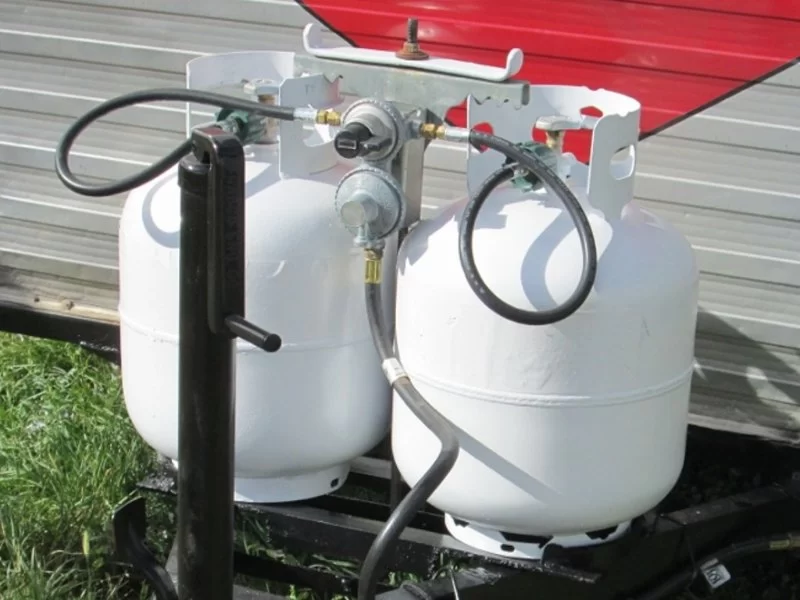
Most RV propane systems are built around one or two propane cylinders connected to a regulator. The regulator controls pressure, ensuring the gas reaches appliances in a stable flow. From there, the propane lines deliver fuel to the stove, furnace, refrigerator, or water heater.
1. Cylinders and Tanks
Standard RVs use DOT cylinders—portable tanks similar to those used for backyard grills—while larger RVs may use permanently mounted ASME tanks. These tanks must remain upright at all times to function properly.
2. Regulators
Regulators maintain consistent pressure. A failing regulator may produce inconsistent flames or cause appliances to malfunction. Regular inspection prevents unexpected breakdowns.
3. Hoses and Lines
Propane lines run throughout the RV’s chassis or interior. Over time, vibration, weather changes, and road debris can weaken hoses and fittings. Knowing when to replace aging components is critical for long-term safety.
Early Warning Signs of Propane Problems—and How to Handle Them
Before any major propane issue develops, there are subtle—and sometimes not-so-subtle—warnings. Recognizing these early signs can prevent dangerous situations.
1. Unusual Odors
Propane contains a sulfur-like smell. If you notice it inside your RV or near your tanks, treat it as a sign of a leak and shut everything off immediately.
2. Flickering or Yellow Flames
Gas appliances should produce steady blue flames. Yellow flames indicate incomplete combustion, often caused by blockages or improper gas pressure.
3. Soot or Smoke Stains
Dark residue near stovetops, furnace vents, or water heater exhaust ports can signal combustion problems that must be addressed immediately.
4. Hissing Noises
A steady hissing sound near the tank or gas lines may indicate escaping gas. Shut the propane valve off and avoid using electrical switches until the issue is inspected.
Real-Life Stories That Show the Importance of Propane Safety
A traveling couple in Colorado shared how they once woke up to a faint smell of propane in their camper. They ignored it, thinking it was exhaust from a nearby vehicle. Hours later, their carbon monoxide detector began beeping—their propane stove valve had loosened during travel. Fortunately, they aired out the camper before lighting anything, preventing what could have been a serious accident.
In another case, a family in Texas noticed their RV refrigerator wasn’t staying cold. After checking the appliance, they discovered soot buildup on the vent—an early warning sign of combustion trouble. A technician later found a partially clogged burner that could have caused a fire if left unaddressed.
These stories highlight how small warning signs play a major role in propane safety for RVs and campers.
Step-by-Step Guidelines for Using Gas Appliances Safely
Propane-powered appliances offer convenience, but they require careful, consistent safety routines. Following these guidelines can make every camping trip safer and more enjoyable.
1. Test Your Propane Detectors Regularly
Most modern RVs include a propane leak detector and a carbon monoxide detector. Test both monthly and replace them according to manufacturer guidelines.
2. Inspect Tanks and Hoses Before Every Trip
Check tanks for rust, bulges, or damage. Examine hoses for cracks or loosened fittings. Place soapy water on connections to test for leaks—bubbles indicate escaping gas.
3. Keep Appliances Clean and Ventilated
Dust, grease, and insect nests can block burners and vents. Clean appliances regularly and ensure exhaust systems are never obstructed.
4. Turn Off Gas When Driving
Most experts recommend shutting off your propane system before hitting the road. Vibrations can loosen valves, and accidents become more dangerous when gas is flowing.
5. Store Cylinders Properly
Always keep tanks upright and secured. Never store propane inside living areas or enclosed compartments without ventilation.
When to Seek Help from Camping Rural for Propane Maintenance
If you're unsure how to inspect your propane system or notice any early signs of trouble, turning to professionals is the safest choice. Camping Rural offers guidance, product recommendations, and access to reliable maintenance tools that help outdoor travelers stay safe on the road.
With the right knowledge—and the right support—you can enjoy your RV or camper with confidence. Learning and practicing propane safety for RVs and campers ensures that your adventures remain safe, warm, and worry-free.



 Niagara Falls / Grand Island KOA Holiday4.0 (884 reviews)
 Weeki Wachee North4.0 (87 reviews)
 Whispering Falls at Burgess RV Park- Country Store- Cafe4.0 (43 reviews)
 Matagamon Wilderness Campground4.0 (144 reviews)
 Placerita Canyon Mobile Home4.0 (7 reviews)
 Bigelow Col Campsite 2010.75.0 (1 reviews)
 10 Must-Visit Campgrounds in the Midwest for Your Next Outdoor Adventure
 Romantic Camping Spots for Couples: Perfect Getaways in Nature
 Ultimate Guide to Off the Grid Camping in Remote Locations
 How to Cook Over a Campfire Safely for an Enjoyable Outdoor Experience
 Vanlife in Winter: My Personal Experience Living on the Road
 From City to Camp: My Journey to Nature and What I Learned