
- 1 - Why-water-purification-matters-while-camping
- 2 - Common-water-risks-in-backcountry-sources
- 3 - Methods-to-purify-water-while-camping
- 4 - Essential-water-purification-gear-for-campers
- 5 - Real-camping-experience-learning-water-safety
- 6 - Expert-tips-for-safe-drinking-water-outdoors
1. Why Water Purification Matters While Camping
Anyone who has spent enough time camping eventually realizes that clean drinking water is one of the most important parts of any outdoor trip. While it may seem convenient to drink directly from clear mountain streams or lakes, experienced campers know that appearances can be deceiving.
Learning how to purify water while camping is a skill every outdoor enthusiast should develop. Even the most beautiful alpine streams can contain bacteria, parasites, or contaminants that are invisible to the eye. Without proper treatment, drinking untreated water can lead to serious illness that may ruin a trip or require medical attention.
I learned this lesson early during a backpacking trip through the Rocky Mountains. The water looked crystal clear as it flowed over smooth stones, and at first glance it seemed perfectly safe. Fortunately, an experienced hiker in our group insisted we filter every drop. Later we discovered reports of Giardia contamination in that region. That moment changed how I approached water safety forever.
2. Common Water Risks in Backcountry Sources
When planning to purify water while camping, it is important to understand the types of contaminants that may be present in natural water sources.
2.1 Bacteria and Microorganisms
Natural water sources often contain bacteria such as E. coli and Salmonella. These microorganisms can enter rivers and lakes through wildlife activity or runoff from nearby areas.
Even when water looks clear and fresh, microscopic organisms may still be present.
2.2 Parasites and Protozoa
One of the most well-known backcountry parasites is Giardia. This microscopic organism can cause severe stomach illness and dehydration.
Giardia contamination is one of the main reasons experienced hikers always treat water before drinking it.
2.3 Sediment and Environmental Contaminants
Besides microorganisms, water may contain sediment, organic matter, or chemical residues depending on the surrounding environment. Proper purification helps remove these elements and improves taste as well.
3. Methods to Purify Water While Camping
There are several effective techniques to purify water while camping, and many experienced campers use a combination of methods depending on the situation.
3.1 Portable Water Filters
Portable filters are among the most popular solutions for outdoor water treatment. These devices use microscopic filtration membranes to remove bacteria and protozoa.
Many backpackers prefer compact filter pumps or gravity filtration systems because they are easy to use and require minimal setup.
3.2 Water Purification Tablets
Chemical tablets are lightweight and convenient for emergency situations. They typically use iodine or chlorine dioxide to disinfect water.
Although tablets may leave a slight taste, they are extremely useful as a backup purification method.
3.3 Boiling Water
Boiling remains one of the most reliable ways to eliminate harmful microorganisms. Heating water to a rolling boil for at least one minute effectively kills bacteria, viruses, and parasites.
However, boiling requires fuel and time, which makes it less convenient for quick hydration during long hikes.
3.4 UV Water Purifiers
Modern UV purification devices use ultraviolet light to neutralize microorganisms in water. These tools are lightweight and increasingly popular among long-distance hikers.
While UV systems are efficient, they require batteries and clear water to work effectively.
4. Essential Water Purification Gear for Campers
Choosing the right equipment can make purifying water while camping much easier. Many experienced outdoor travelers carry a combination of tools to ensure redundancy and safety.
4.1 Lightweight Backpacking Filters
Compact filtration systems are ideal for hikers who need to travel light. These filters attach directly to water bottles or hydration packs and allow campers to drink immediately after filtration.
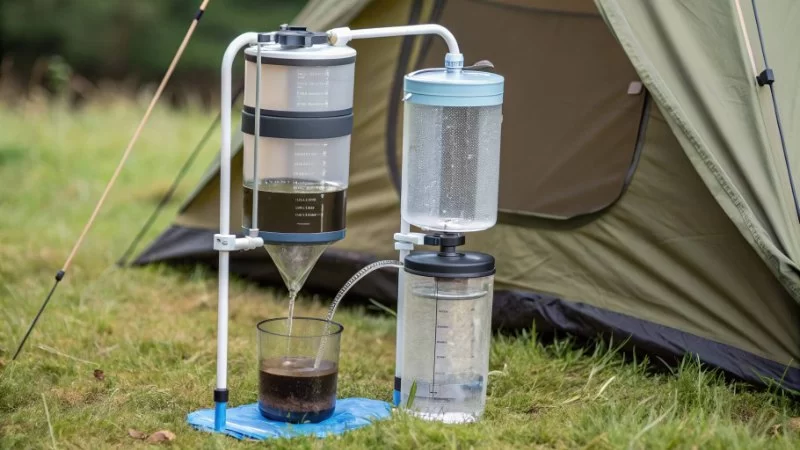
4.2 Gravity Filtration Systems
For group camping trips, gravity systems are extremely convenient. Water flows through the filter using gravity alone, allowing several liters to be purified at once.
This approach works well at base camps or family campsites where larger volumes of water are needed.
4.3 Backup Treatment Options
Many experienced campers recommend carrying both a filter and chemical tablets. If one method fails, the backup ensures access to safe drinking water.
Outdoor gear reviews, purification tools, and camping equipment guides can often be explored through resources like Camping Rural, which helps campers find reliable gear and outdoor recommendations.
5. Real Camping Experience Learning Water Safety
One memorable camping trip taught me how critical water purification can be. A small group of friends and I were exploring a remote forest campsite far from developed campgrounds.
During the second day of hiking, we ran low on our stored water supply. Fortunately, a stream crossed the trail ahead. Instead of drinking directly, we set up a gravity filter system and purified several liters of water for the rest of the day.
Later that evening we encountered another group of hikers who had skipped purification entirely. Several of them developed stomach issues the next morning. That experience reinforced how important proper water treatment is for safe camping.
6. Expert Tips for Safe Drinking Water Outdoors
Experienced campers often follow several practical guidelines when collecting and purifying water in the wild.
6.1 Choose the Cleanest Source Available
Whenever possible, collect water from flowing streams rather than stagnant ponds. Moving water generally contains fewer contaminants.
6.2 Avoid Areas With Heavy Wildlife Activity
Water sources located near animal trails or campsites may be more likely to contain contaminants. Selecting upstream collection points can improve water quality.
6.3 Always Carry a Backup Method
Even the best equipment can fail in remote environments. Carrying purification tablets or a second treatment method adds an extra layer of safety.
Learning how to purify water while camping is one of the most valuable outdoor skills any camper can develop. With the right knowledge, proper equipment, and preparation, campers can confidently explore remote landscapes while maintaining access to safe drinking water.
For those planning future adventures and looking for recommended camping gear, outdoor tools, and helpful resources, Camping Rural offers guidance that helps campers prepare for safe and enjoyable trips into the wilderness.
 River Ridge MHP4.0 (42 reviews)
 River Ranch0.0 (0 reviews)
 Williamsburg Manor Manufactured Home Community3.0 (100 reviews)
 The Honey Hut5.0 (4 reviews)
 Palos Verdes Shores MH & Golf Community4.0 (135 reviews)
 Clearcreek Mobile Home Park3.0 (76 reviews)
 10 Must-Visit Campgrounds in the Midwest for Your Next Outdoor Adventure
 Romantic Camping Spots for Couples: Perfect Getaways in Nature
 Ultimate Guide to Off the Grid Camping in Remote Locations
 How to Cook Over a Campfire Safely for an Enjoyable Outdoor Experience
 Vanlife in Winter: My Personal Experience Living on the Road
 From City to Camp: My Journey to Nature and What I Learned