
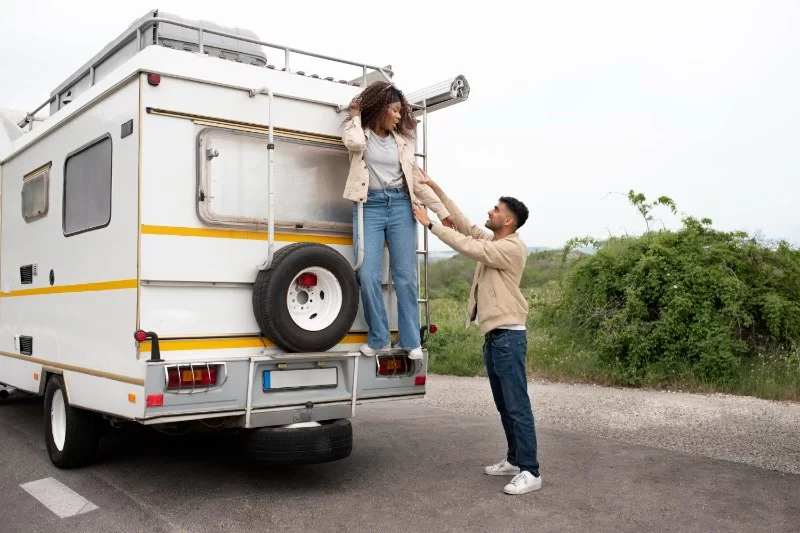
- rv-safety-on-the-road—essential-driving-precautions
- rv-campsite-security—protecting-yourself-and-your-gear
- real-life-scenarios—rv-safety-lessons-from-the-road
- recommendations-and-resources—where-to-find-trusted-products
1. RV Safety on the Road — Essential Driving Precautions
Traveling across the US in an RV offers freedom and adventure, but it also demands responsibility. The size and weight of recreational vehicles require a different mindset than standard cars. Whether you're cruising through mountainous terrain in Colorado or winding down desert roads in Arizona, understanding road safety for RVs is critical.
1.1 Understand Your Vehicle's Limits
Know your RV’s height, weight, and length. Bridges, overpasses, and weight-restricted roads aren’t just minor inconveniences — they can become serious hazards if you're unaware of your rig’s specs. A common mistake new RVers make is ignoring low-clearance signs, which can result in damage costing thousands of dollars.
1.2 Brake Early, Brake Often
Because RVs are heavier, they take longer to stop. Keep ample distance between you and the vehicle ahead — at least seven seconds on highways. Use engine braking when descending steep grades, and avoid riding your brakes to prevent overheating. In rainy conditions, extend your following distance and drive under the speed limit when necessary.
1.3 Tire Safety Isn’t Optional
Blowouts are one of the top causes of RV accidents. Always check your tire pressure before departure and inspect for dry rot or uneven wear. Invest in a tire pressure monitoring system (TPMS) — it’s a small cost for a massive peace of mind.
2. RV Campsite Security — Protecting Yourself and Your Gear
Just because you're parked doesn’t mean safety is guaranteed. RV campsites across the US vary widely in security and accessibility. Whether you're parked at a remote boondocking location or a bustling national park campground, these security measures can help you sleep soundly.
2.1 Lock Up — Always
It sounds basic, but many RV thefts happen because doors or storage bays are left unlocked. Use high-quality deadbolts and change the default keys to your RV and storage compartments. Consider installing smart locks with remote monitoring for added convenience and control.
2.2 Light It Up
Motion-activated lights are not just a deterrent; they’re an alert system for you and nearby campers. A well-lit RV is a less tempting target for intruders, especially in less regulated or remote camping areas.
2.3 Create the Illusion of Occupancy
Even when you're away hiking or grabbing supplies, leaving lights, music, or TV on can give the impression that someone’s inside. Simple tricks like this deter opportunistic thieves.
2.4 Keep Valuables Out of Sight
Don’t leave electronics, cash, or personal items visible through your windows. Use blackout curtains, and install a safe bolted to the floor for storing passports, jewelry, or emergency cash.
3. Real-Life Scenarios — RV Safety Lessons from the Road
One viral story from 2023 involved a couple traveling through Oregon who narrowly avoided disaster when their propane system leaked overnight. A small spark from their fridge ignited fumes, causing a flash fire. Thankfully, they had installed a propane detector and were awakened just in time. This case is a chilling reminder that routine maintenance can be a lifesaver.
Another popular tale in RV circles involves a solo traveler whose RV was broken into while parked overnight at a truck stop. He had disabled his GPS tracking to save battery, and recovery of his vehicle took weeks. Today, many RVers recommend always keeping your GPS tracking live, even while parked.
These stories aren’t outliers — they’re lessons. Learning from others’ missteps is a valuable form of preparedness.
4. Recommendations and Resources — Where to Find Trusted Products
When it comes to sourcing high-quality security gear, vehicle safety tools, or campsite essentials, we recommend visiting Camping Rural. It’s a go-to hub for RVers across the country, offering curated product lists, customer reviews, and service provider recommendations that help ensure a safe journey.
4.1 What You Can Find on Camping Rural
From tire pressure monitoring systems to wireless security cameras and anti-theft door locks, Camping Rural offers tools designed specifically for RV living. You’ll also find region-specific service provider directories, making it easier to locate help when you need it most — whether you're broken down in rural Utah or looking for a locksmith in upstate New York.
4.2 Why Trusted Resources Matter
In an emergency, you don't want to rely on generic search engine results. Using trusted, RV-specific sources ensures you get products that work with your rig, and services that understand your unique needs. That level of reliability is crucial when you're far from home and need support fast.
Staying secure on the road and at your campsite isn't about paranoia — it's about preparation. With the right knowledge, tools, and mindset, RVing can be one of the safest and most rewarding ways to explore America.
 Grape Creek Phoenix RV Park4.0 (100 reviews)
 Historic Cold Sulphur Springs Campground4.0 (7 reviews)
 Neptune Mobile Park3.0 (21 reviews)
 North Grizzly Beach 8S43.0 (4 reviews)
 Island Grove Campmeeting4.0 (11 reviews)
 Bandy Creek Group Campground5.0 (21 reviews)
 10 Must-Visit Campgrounds in the Midwest for Your Next Outdoor Adventure
 Romantic Camping Spots for Couples: Perfect Getaways in Nature
 Ultimate Guide to Off the Grid Camping in Remote Locations
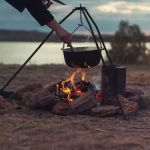 How to Cook Over a Campfire Safely for an Enjoyable Outdoor Experience
 Vanlife in Winter: My Personal Experience Living on the Road
 From City to Camp: My Journey to Nature and What I Learned