
- rediscovering-the-scent-of-the-outdoors - Rediscovering the Scent of the Outdoors
- how-nature's-aromas-affect-the-mind-and-body - How Nature’s Aromas Affect the Mind and Body
- pine-sap-and-memories-of-the-wilderness - Pine Sap and Memories of the Wilderness
- the-campfire-effect-warmth-connection-and-smoke - The Campfire Effect: Warmth, Connection, and Smoke
- fresh-air-and-the-unseen-benefits-of-breathing-wild - Fresh Air and the Unseen Benefits of Breathing Wild
- bringing-the-outdoor-scent-home - Bringing the Outdoor Scent Home
- where-to-find-authentic-outdoor-lifestyle-products - Where to Find Authentic Outdoor Lifestyle Products
1. Rediscovering the Scent of the Outdoors
There’s something unmistakably powerful about stepping outside and inhaling deeply. The crisp mountain air, the earthy musk of fallen leaves, the sweet tang of pine needles, and the subtle smokiness of a fading campfire. Together, they form a sensory experience that can't be bottled, only lived. The phrase “The Scent of the Outdoors: Embracing the Fresh Air, Pine, and Campfire Smoke” is more than poetic—it’s a full-body memory that connects us to nature, simplicity, and self.
In our digital-heavy lifestyles, where screens dominate and artificial fragrances mask our spaces, reconnecting with the outdoors offers a real, grounding contrast. It’s not just a feeling—it’s a science-backed wellness boost. And for those of us who cherish hiking through forests, stoking fires under starry skies, or just relaxing on a cabin porch, the smells of the outdoors aren’t just pleasant—they’re sacred.
This article explores why those natural aromas are so meaningful, how they affect our well-being, and why more people are trying to recreate that magic in everyday life. Whether you’re a seasoned camper or a suburban soul dreaming of the wild, the scent of the outdoors might be exactly what your spirit needs.
2. How Nature’s Aromas Affect the Mind and Body
The olfactory sense—the sense of smell—is directly connected to the limbic system in the brain, the area responsible for emotion and memory. This is why the scent of pine or wood smoke can instantly bring you back to a childhood camping trip or a weekend hike.
Scientific studies have shown that breathing in natural scents like pine and campfire smoke can reduce stress, lower blood pressure, and improve cognitive function. A Japanese study on "forest bathing" (Shinrin-yoku) found that time in pine-rich forests not only reduced cortisol levels but also enhanced immune system function through phytoncides—aromatic compounds released by trees.
Campfire smoke, while complex in its chemical composition, often evokes warmth, nostalgia, and bonding. It’s the sensory anchor of storytelling nights and marshmallow roasting. The smell of smoke triggers a subconscious feeling of safety and community, making it a powerful emotional regulator.
3. Pine Sap and Memories of the Wilderness
Few smells say “outdoors” more distinctly than pine. Whether it’s a breeze carrying the sharpness of pine needles or the sticky resin on a tree trunk, the scent of pine is inherently wild. For many, it recalls long hikes through quiet woods, early mornings in a forest campsite, or chopping firewood behind a rustic cabin.
But pine does more than trigger memory. It’s loaded with terpenes like pinene, which have been shown to improve mood, open airways, and boost alertness. That’s part of why breathing pine air feels both calming and invigorating. It’s no coincidence that many wellness and spa brands try to imitate the pine scent—but nothing beats the real thing.
One camper described their experience at a mountain retreat, saying, “I didn’t even realize how much I missed the smell of the trees until I got there. It felt like the forest was hugging me every time I breathed in.” That sensory reconnection is part of why outdoor lovers seek these moments again and again.
4. The Campfire Effect: Warmth, Connection, and Smoke
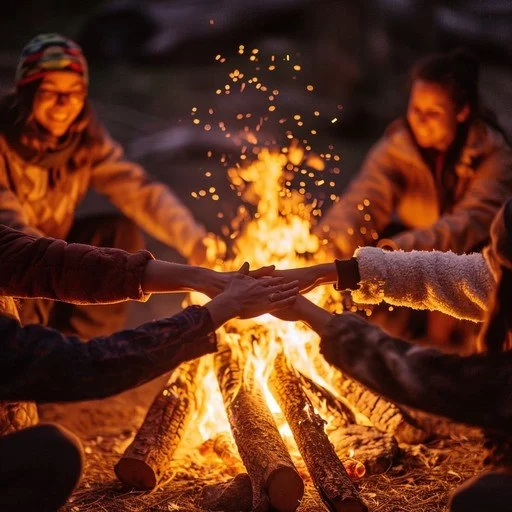
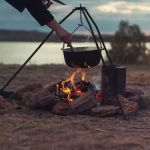
Campfires are primal. They gather people in circles, slow conversations, and trigger storytelling rituals that have existed for centuries. But it’s the campfire smoke that seems to linger in the deepest corners of our memory. Smoky clothes. Smoky hair. Smoky nights under the stars.
The scent of a campfire is a mix of burning wood, air moisture, and even a bit of earth. It’s comforting in a way that’s hard to explain but easy to feel. Psychologists argue that firelight and scent stimulate a relaxation response that predates modern stress. Combined, they slow the heart rate and create feelings of trust and emotional openness.
It's not just anecdotal. A study published in Evolutionary Psychology found that sitting by a fire lowers blood pressure and encourages social bonding—both enhanced by the distinct smell of wood smoke. No artificial candle or diffuser can replicate the psychological depth of a real fire.
5. Fresh Air and the Unseen Benefits of Breathing Wild
“Fresh air” may sound generic, but its impact is profound. Air quality in natural spaces—especially mountainous or wooded areas—is significantly better than in cities. With less pollution, more oxygen, and often higher humidity, outdoor air is easier on the lungs and better for brain clarity.
Studies from Harvard and Yale have connected regular exposure to fresh outdoor air with improved respiratory health, increased serotonin production, and better sleep. The smell of wet soil (called petrichor), a sudden breeze off a lake, or that ozone tinge before a thunderstorm all stimulate the senses in ways air-conditioned spaces never can.
For those who work in high-stress environments or spend hours indoors, spending even a few hours outside each week can reset mental clarity and reduce burnout symptoms. Just the act of breathing in mountain or forest air can feel like a reset button for the soul.
6. Bringing the Outdoor Scent Home
Many people yearn for the scent of the outdoors even when they’re stuck in the city. That’s why brands now offer candles, sprays, essential oils, and incense inspired by pine forests, campfires, and fresh air. But while they capture a hint, they can’t replace experience.
Still, creating a more natural home environment is possible. Burning real wood in a fireplace, growing conifers in your yard, or even drying pinecones to use as air fresheners can offer a more authentic connection to the wild. Open your windows often. Let air circulate. Cook over flame when you can.
And most importantly—schedule real escapes. Weekends in the woods. Quiet mornings near a lake. These aren’t luxuries; they’re necessities. As one hiker put it, “I light a pine-scented candle on weekdays just to remind myself there’s a forest waiting for me on Friday.”
7. Where to Find Authentic Outdoor Lifestyle Products
If you’re looking to integrate outdoor living into your daily life or plan your next immersive camping experience, Camping Rural offers a curated range of gear, accessories, and essentials that help you bring the outdoors closer. From campfire-friendly cooking sets to nature-scented products and pine-sourced wood bundles, their collection is built for those who appreciate the real scents and textures of wilderness life.
Whether you're planning a weekend under the stars or just want to breathe easier at home, investing in the outdoor lifestyle isn’t just aesthetic—it’s emotional. Explore tools that reconnect you with the land, your breath, and your memories. Because the scent of the outdoors is more than a smell—it’s a way of being.

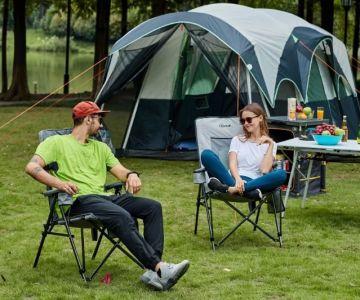

 Grape Creek Phoenix RV Park4.0 (100 reviews)
 Historic Cold Sulphur Springs Campground4.0 (7 reviews)
 Neptune Mobile Park3.0 (21 reviews)
 North Grizzly Beach 8S43.0 (4 reviews)
 Island Grove Campmeeting4.0 (11 reviews)
 Bandy Creek Group Campground5.0 (21 reviews)
 10 Must-Visit Campgrounds in the Midwest for Your Next Outdoor Adventure
 Romantic Camping Spots for Couples: Perfect Getaways in Nature
 Ultimate Guide to Off the Grid Camping in Remote Locations
 How to Cook Over a Campfire Safely for an Enjoyable Outdoor Experience
 Vanlife in Winter: My Personal Experience Living on the Road
 From City to Camp: My Journey to Nature and What I Learned