
- understanding-dry-camping – what makes boondocking different
- water-conservation-techniques – practical strategies for saving water
- power-management – maximizing battery and generator use
- real-life-stories – examples from experienced RV campers
- eco-friendly-products – tools and gear that support conservation
- expert-advice – guidance from seasoned travelers
1. Understanding Dry Camping and Its Challenges
What makes dry camping unique
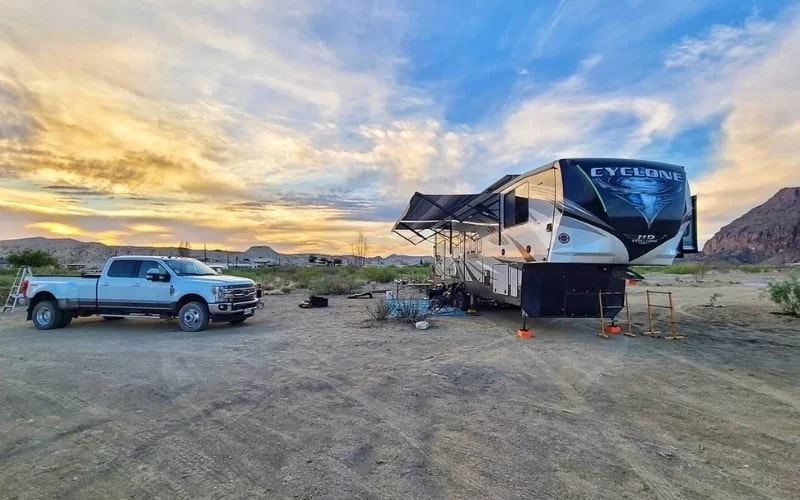
Dry camping, also called boondocking, means staying in your RV without hookups for water, electricity, or sewer. It’s a rewarding way to experience nature more authentically, but it requires resourcefulness. The most common questions from first-timers revolve around conserving water and power while enjoying their time off-grid. Unlike a campsite with full hookups, dry camping forces you to think about every drop of water and every watt of electricity.
2. Water Conservation Techniques That Work
Small changes with big impact
One of the best tips for conserving water and power while dry camping in your RV is to make small habit changes. For example, turning off the tap while brushing your teeth or using a basin for dishwashing can reduce waste dramatically. Many campers also rely on biodegradable wet wipes or rinse-free soaps for quick clean-ups.
Smart water storage
Carrying collapsible water containers provides flexibility when you’re parked far from a refill station. Some campers pre-cook meals that require minimal water for cleanup. These little planning steps help stretch your supply without feeling restricted.
Case in action
A couple camping in Arizona’s deserts shared how they extended their 30-gallon tank for over a week by reusing greywater for flushing and investing in a low-flow showerhead. They noted that conserving water didn’t feel like a chore—it became part of the adventure.
3. Power Management for Longer Stays
Rethinking energy use
Power is often the bigger challenge in dry camping. Running air conditioning or electric heaters drains your battery quickly, so seasoned campers focus on efficient alternatives. LED lighting, portable solar panels, and lithium batteries have become game-changers for modern RVers.
Generator etiquette and efficiency
Generators are useful but noisy and fuel-dependent. Limiting generator use to short bursts—for charging essentials—ensures peace and preserves fuel. Pairing solar panels with a quality battery bank reduces generator reliance and keeps your RV eco-friendly.
Personal touch
On a trip to Utah’s national parks, one traveler used a solar oven to cook meals while conserving propane and battery life. These creative solutions not only save power but also create memorable stories of self-sufficiency in the wild.
4. Real-Life Stories From the Road
Learning through trial and error
Many RV communities online share stories about their first dry camping trips. One popular post detailed how a family underestimated their water usage but quickly learned to adapt by adopting conservation hacks from fellow campers. Their takeaway was clear: it’s not about sacrifice but about being mindful and prepared.
Building community knowledge
These stories reveal how conserving water and power while dry camping in your RV fosters creativity and resilience. Sharing experiences with other campers not only builds community but also passes along valuable lessons that make each trip smoother.
5. Eco-Friendly Products That Support Conservation
Gear that makes a difference
There’s a growing market of products designed for dry campers. Solar lanterns, collapsible dish tubs, composting toilets, and low-flow faucets are just a few examples. At Camping Rural, you can explore a curated collection of eco-friendly items that make water and power conservation easier without compromising comfort.
Investing in sustainability
Every purchase, from a solar shower to a smart inverter, adds up to longer stays off-grid and fewer worries about running out of resources. These products also align with a growing awareness of sustainability in outdoor travel.
6. Expert Advice for First-Time Dry Campers
Planning is everything
Experts suggest calculating your average daily water and power use before heading out. Simple tools like usage calculators and portable meters help you stay on top of your resources. The goal is to know your limits before you test them in the wilderness.
Balance between comfort and conservation
Conserving water and power while dry camping in your RV doesn’t mean sacrificing comfort. It means being mindful and creative with resources. With the right strategies and support from communities and resources like Camping Rural, dry camping transforms into a liberating experience where independence and sustainability meet.

 Rye Camp4.0 (33 reviews)
 Ennis Mobile Home Park3.0 (62 reviews)
 The Acres0.0 (0 reviews)
 Stagecoach Campground4.0 (3 reviews)
 Encore Fort Myers Beach3.0 (292 reviews)
 Allegheny Site Management4.0 (5 reviews)
 10 Must-Visit Campgrounds in the Midwest for Your Next Outdoor Adventure
 Romantic Camping Spots for Couples: Perfect Getaways in Nature
 Ultimate Guide to Off the Grid Camping in Remote Locations
 How to Cook Over a Campfire Safely for an Enjoyable Outdoor Experience
 Vanlife in Winter: My Personal Experience Living on the Road
 From City to Camp: My Journey to Nature and What I Learned