
- 1 - Understanding the Ultimate Guide to First-Time Camping
- 2 - Choosing the Right National Park for Your First Trip
- 3 - Essential Gear and Preparations
- 4 - Real Stories from First-Time Campers
- 5 - Safety Tips and Park Regulations
- 6 - How Camping Rural Can Help You
1 - Understanding the Ultimate Guide to First-Time Camping
Planning your first camping adventure in America’s national parks can be both exciting and overwhelming. This Ultimate Guide to First-Time Camping in US National Parks: What You Absolutely Need to Know Before Your Trip is designed to help beginners feel confident and prepared. From selecting the right park to packing gear, understanding rules, and anticipating challenges, this guide will walk you through every step. With the right planning, your first camping trip can be not just memorable but also safe and enjoyable.
2 - Choosing the Right National Park for Your First Trip
The United States is home to over 60 designated national parks, each offering unique landscapes and experiences. For first-time campers, choosing a beginner-friendly park makes a huge difference. Parks like Yosemite, Yellowstone, and the Great Smoky Mountains attract millions of visitors each year, but they also provide accessible campgrounds and amenities that help newcomers adjust to the outdoor lifestyle.
2.1 Considering Accessibility and Facilities
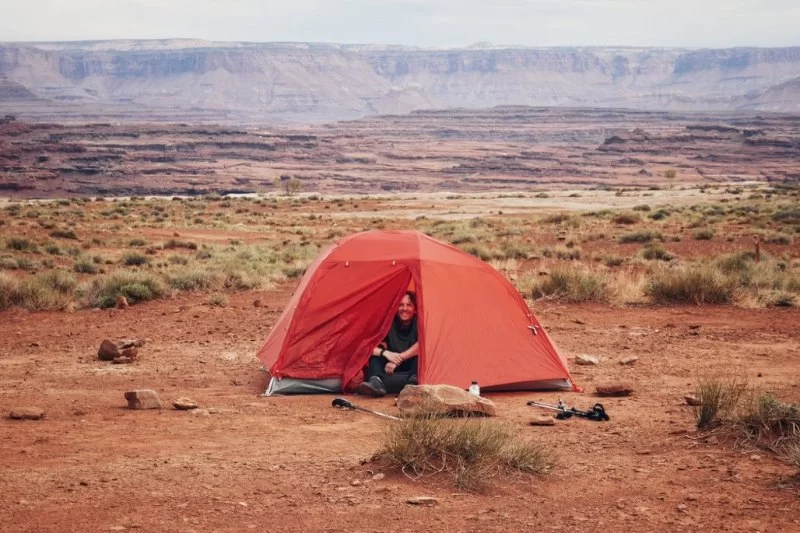
First-time campers often benefit from parks that provide established campgrounds with running water, restrooms, and ranger support. For instance, the Grand Canyon offers several managed campsites ideal for beginners, ensuring that your introduction to camping is less stressful and more rewarding.
2.2 Picking the Right Season
Timing your trip is just as important as the location. Summer brings warm weather but also larger crowds, while spring and fall can offer mild climates with fewer visitors. Beginners often find shoulder seasons more enjoyable as they balance comfort with access to trails and attractions.
3 - Essential Gear and Preparations
Packing the right gear is one of the most critical steps for first-time campers. A durable tent, sleeping bag suited for the season, and a portable stove are non-negotiables. Equally important are smaller essentials such as flashlights, first-aid kits, insect repellent, and extra clothing layers. Many beginners make the mistake of overpacking or forgetting basics, which can turn a fun trip into a stressful one.
3.1 Learning from Mistakes
For example, one first-time camper in Yellowstone shared online how he forgot to bring a sleeping pad and spent three uncomfortable nights on the rocky ground. Stories like this highlight why thoughtful packing is crucial. Creating a checklist in advance ensures nothing essential is left behind.
3.2 Food and Hydration
Meal planning is another aspect often overlooked. Prepping easy-to-cook meals and carrying enough water or a filtration system is vital. Parks like Zion or Arches, located in desert climates, make hydration a top priority. Being unprepared in such environments can pose serious risks.
4 - Real Stories from First-Time Campers
Across social media, stories from first-time campers have gone viral, inspiring others while also offering cautionary lessons. One couple’s trip to Yosemite became a learning experience when they underestimated how quickly temperatures drop at night. Another camper’s adventure in the Great Smoky Mountains showed how preparation and a positive attitude can turn even unexpected rainstorms into unforgettable memories. These real experiences emphasize that while challenges may arise, the rewards of connecting with nature outweigh the difficulties.
5 - Safety Tips and Park Regulations
Safety should always be a top priority when camping in national parks. Knowing the park’s rules, wildlife precautions, and fire safety regulations can prevent accidents. Bears in Yellowstone, for instance, require campers to use bear-proof containers for food storage. Likewise, desert parks warn against hiking during the hottest hours of the day. First-time campers should also familiarize themselves with Leave No Trace principles, which promote responsible outdoor ethics to protect natural landscapes for future generations.
5.1 Emergency Preparedness
Cell service is limited in many national parks, so having a map, compass, or GPS device is essential. Carrying a whistle and basic survival gear can provide peace of mind. Some parks have ranger-led orientation sessions that are particularly helpful for beginners, offering practical advice on staying safe during your trip.
6 - How Camping Rural Can Help You
Preparing for your first camping trip doesn’t have to be overwhelming. At Camping Rural, we offer recommendations for gear, resources, and services to make your adventure smoother. From beginner-friendly camping equipment to expert advice, our platform ensures you are well-prepared for an unforgettable experience in the great outdoors. With the right support, your first camping trip to a U.S. national park will not only be enjoyable but also safe and memorable.
 Mount Shasta City KOA Holiday4.0 (661 reviews)
 Otter River Campground4.0 (66 reviews)
 Sedona View RV Resort3.0 (169 reviews)
 Prairie Flower Campground4.0 (203 reviews)
 Camp Liahona at the Michaux4.0 (26 reviews)
 Upper Six Mile Ponds Campground4.0 (14 reviews)
 10 Must-Visit Campgrounds in the Midwest for Your Next Outdoor Adventure
 Romantic Camping Spots for Couples: Perfect Getaways in Nature
 Ultimate Guide to Off the Grid Camping in Remote Locations
 How to Cook Over a Campfire Safely for an Enjoyable Outdoor Experience
 Vanlife in Winter: My Personal Experience Living on the Road
 From City to Camp: My Journey to Nature and What I Learned