Boondocking Campsite Introduce
For local residents seeking a more independent and self-sufficient "camping near me" experience, the designation "Boondocking Campsite" points towards a unique style of camping that emphasizes minimal amenities and immersion in a natural setting. Unlike traditional campgrounds with defined sites and hookups, boondocking, also known as dry camping or dispersed camping, typically involves setting up camp in more remote locations with limited or no services. When local users search within the "camping near me" category and encounter "Boondocking Campsite," it suggests an option for those who are well-prepared and prefer a more primitive and secluded outdoor adventure.
The appeal of "camping near me" for boondocking enthusiasts lies in the promise of solitude, a deeper connection with nature, and the freedom to choose their own camping spot (within designated regulations). This introduction aims to provide local users with a detailed understanding of what a "Boondocking Campsite" likely entails in terms of environment, services (or lack thereof), features, and crucial considerations for this type of camping experience.
A "Boondocking Campsite" is typically located in a natural environment that offers a sense of remoteness and minimal human disturbance. This could include various landscapes such as national forests, Bureau of Land Management (BLM) lands, or designated areas within state parks that allow for dispersed camping. The environment might be characterized by woodlands, deserts, grasslands, or mountainous regions, depending on the local geography.
Local users searching for "camping near me" who are drawn to boondocking often prioritize natural beauty and solitude. The environment of a Boondocking Campsite is likely to be less developed and more rugged than that of a traditional campground. Campers can expect to be surrounded by the natural flora and fauna of the area, with opportunities for wildlife viewing and enjoying the undisturbed landscape. The specific terrain and vegetation will vary greatly depending on the location.
Access to a Boondocking Campsite might involve driving on unpaved roads or even require hiking or other forms of non-motorized transport. The level of accessibility will be an important factor for local users to consider based on their vehicle and physical capabilities.
The defining characteristic of a "Boondocking Campsite" is the minimal or complete absence of services and amenities typically found in developed campgrounds. This type of camping requires a high degree of self-sufficiency and preparedness. Local users considering a Boondocking Campsite within the "camping near me" category should be aware that they will likely need to provide for all their own needs.
Services and amenities that are typically absent at a Boondocking Campsite include:
- Hookups (Water, Electricity, Sewer): Boondocking is fundamentally "dry camping," meaning no connections to utilities are provided. Campers must bring their own water and power sources (e.g., generators, solar panels) and manage their waste.
- Restroom Facilities: Formal restrooms are highly unlikely. Campers will need to be prepared to handle human waste responsibly, often using portable toilets and adhering to specific regulations regarding waste disposal.
- Trash Disposal: There are typically no trash receptacles. Boondockers are expected to follow the "pack it in, pack it out" principle, leaving no trace of their visit.
- Fire Rings or Grills: Designated fire rings might not be provided. Campers need to be aware of local fire regulations and take extreme caution when building campfires, often using portable fire pits or adhering to specific guidelines.
- Picnic Tables: These are generally not provided at dispersed camping locations.
- Parking: Designated parking areas might be limited or non-existent. Campers need to choose their campsite carefully, ensuring they are not blocking access or damaging the environment.
- Security or Staff: Boondocking areas are typically unstaffed, and campers are responsible for their own safety and security.
- Wi-Fi or Cell Service: Connectivity can be unreliable or non-existent in remote boondocking locations.
The lack of services is a key aspect of the boondocking experience, appealing to those who value independence and self-reliance in the outdoors. Local users considering this option should ensure they have the necessary equipment, knowledge, and skills for self-sufficient camping.
The primary features of a "Boondocking Campsite" revolve around the opportunities for solitude, freedom, and deep immersion in the natural environment:
- Privacy and Seclusion: The dispersed nature of boondocking often means camping far from other people, offering a high degree of privacy and tranquility.
- Freedom of Choice (within regulations): Boondockers often have more flexibility in choosing their campsite location (within designated areas and following regulations).
- Uninterrupted Natural Beauty: Without the infrastructure of developed campgrounds, boondocking allows for a more direct and unfiltered experience of the natural landscape.
- Opportunities for Primitive Activities: Boondocking is well-suited for activities like backcountry hiking, wildlife tracking, stargazing away from light pollution, and enjoying the sounds of nature without human-made noise.
- Challenge and Self-Reliance: Successfully boondocking requires planning, preparation, and the ability to handle challenges independently, which can be a rewarding aspect of the experience.
For local users searching for "camping near me" who are experienced campers and value these aspects of a more primitive outdoor experience, a Boondocking Campsite offers a unique and appealing option.
Given the nature of boondocking, traditional promotional offers are less common. Instead, any information provided about a "Boondocking Campsite" is likely to focus on educating and guiding local users on how to engage in this type of camping responsibly and safely. This might include:
- Information on Regulations and Permits: Providing details about areas where boondocking is allowed, any necessary permits or fees, and specific rules to follow (e.g., length of stay limits, distance from water sources or trails).
- Leave No Trace Principles: Emphasizing the importance of minimizing impact on the environment by packing out all trash, avoiding disturbing vegetation and wildlife, and properly disposing of waste.
- Safety Guidelines: Offering advice on water purification, food storage in bear country (if applicable), navigation, and emergency preparedness.
- Gear Recommendations: Suggesting essential equipment for self-sufficient camping, such as portable toilets, water containers and filters, power sources, and navigation tools.
- Tips for Finding Suitable Campsites: Guidance on selecting safe and environmentally sound camping locations.
- Resources for Local Boondocking Areas: Providing links or information about relevant government agencies (e.g., BLM, National Forest Service) that manage lands where dispersed camping is permitted.
Local users searching for "camping near me" who are interested in boondocking should seek out information from these official sources and online communities dedicated to dispersed camping to learn about specific locations and best practices in their area.
For a "Boondocking Campsite" listing on a "camping near me" platform to be effective for local users, it should prioritize providing essential information for responsible and safe off-grid camping. A helpful listing would include:
- A clear definition of boondocking and what to expect in terms of amenities (i.e., very few or none).
- Information about the general type of environment (e.g., national forest, desert) and any specific regulations for the area.
- Links to relevant government agencies or resources where users can find detailed rules, maps, and permit information.
- Emphasis on Leave No Trace principles and responsible camping practices.
- Safety recommendations for boondocking.
- Potentially, general locations or types of areas where boondocking is permitted locally (without giving specific, potentially overused spots).
- User forums or review sections where experienced boondockers can share tips and insights (if applicable to the platform).
- A disclaimer highlighting the self-sufficient nature of boondocking and the importance of being prepared.
By focusing on education and providing access to crucial information, a "camping near me" platform can effectively connect local users with opportunities for responsible and rewarding boondocking experiences.
In conclusion, a "Boondocking Campsite" as a "camping near me" option caters to local residents seeking an independent, self-sufficient, and often more secluded outdoor experience. It emphasizes a deep connection with nature and requires campers to be well-prepared and knowledgeable about responsible camping practices. By providing clear information about the environment, lack of services, unique features, and crucial regulations, platforms can effectively guide local users towards fulfilling and ethical boondocking adventures in their area.
Boondocking Campsite Photos
Boondocking Campsite Location
Boondocking Campsite
4186 Ditch Bank Forest Rd, Sawyer, MN 55780, USA
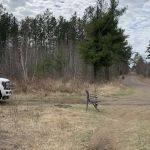 Boondocking Campsite
4186 Ditch Bank Forest Rd
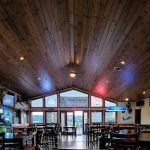 Lounge On Big Lake Shores
979 Cary Rd
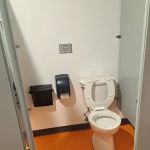 Spring Oaks Campground
1011 Cary Rd
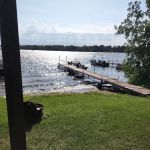 Island Lake Campground
Cromwell
 Park Lake Resort & Campgrounds
2243 County Rd 7
 Spafford Park Campground
401 Main St
 Cloquet / Duluth KOA Journey
1381 Kampground Road
 Bent Trout Lake Campground
2928 Bent Trout Lake Rd
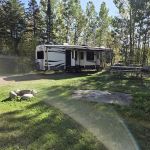 Knife Island Campground
234 W State Rte 61
 Camp Green Hill
2141 E Chub Lake Rd
 Floodwood Campground
301 Hickory St
 Barnum City Park Campground
Barnum
 Bear Lake Park Campground
Barnum
Boondocking Campsite Reviews
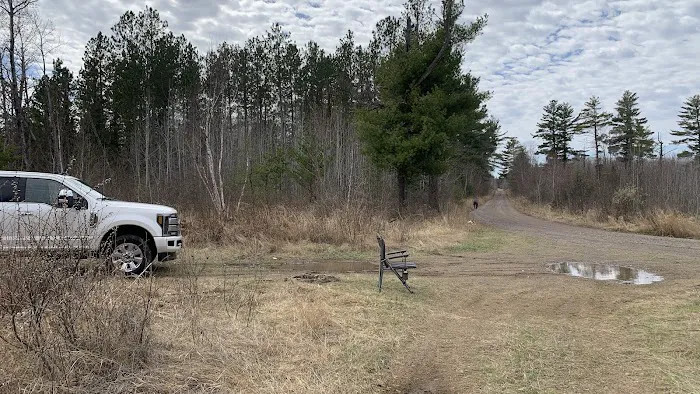
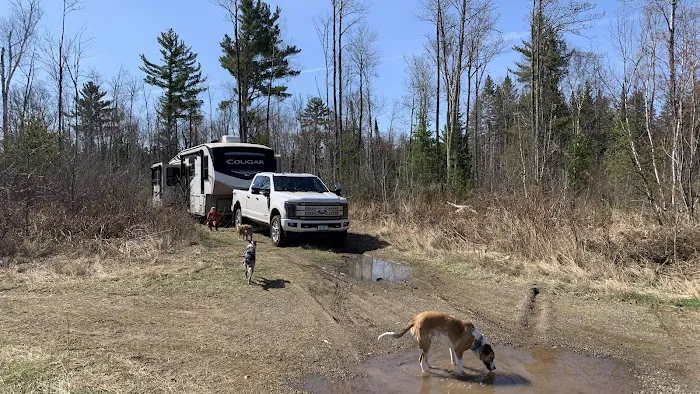
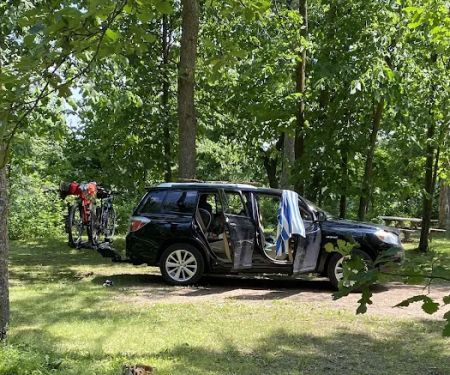
This is just a single Boondocking site. It fit our 40’ 5th wheel just fine. Hike, bike or ride right from this spot. No amenities or services.
May 05, 2025 · Russell Milles
More Camping Near Me
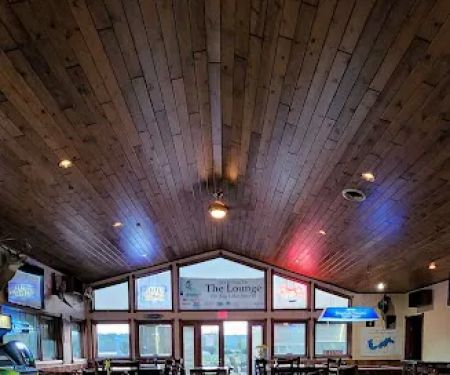 Lounge On Big Lake Shores4.0 (95 reviews)
979 Cary Rd, Cloquet, MN 55720, USA
 Spring Oaks Campground5.0 (2 reviews)
1011 Cary Rd, Cloquet, MN 55720, USA
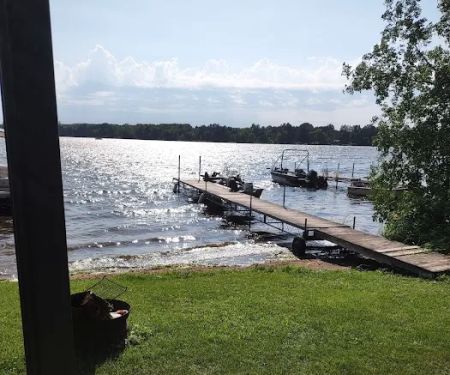 Island Lake Campground4.0 (11 reviews)
Cromwell, MN 55726, USA
 Park Lake Resort & Campgrounds4.0 (105 reviews)
2243 County Rd 7, Mahtowa, MN 55707, USA
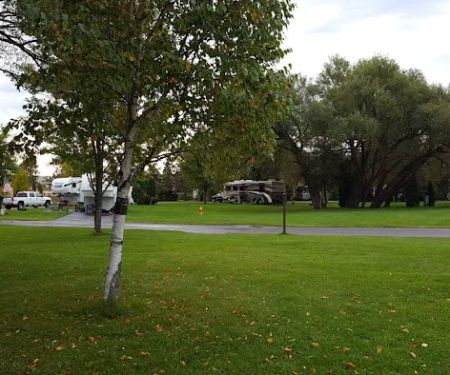 Spafford Park Campground4.0 (121 reviews)
401 Main St, Cloquet, MN 55720, USA
 Cloquet / Duluth KOA Journey4.0 (412 reviews)
1381 Kampground Road, Cloquet, MN 55720, USA
 Bent Trout Lake Campground4.0 (102 reviews)
2928 Bent Trout Lake Rd, Barnum, MN 55707, USA
 Knife Island Campground4.0 (187 reviews)
234 W State Rte 61, Esko, MN 55733, USA
 Camp Green Hill4.0 (8 reviews)
2141 E Chub Lake Rd, Carlton, MN 55718, USA
 Floodwood Campground4.0 (35 reviews)
301 Hickory St, Floodwood, MN 55736, USA
 Barnum City Park Campground4.0 (20 reviews)
Barnum, MN 55707, USA
 Bear Lake Park Campground4.0 (41 reviews)
Barnum, MN 55707, USA
Categories
Popular Camping Sites
 Happy Acres Campground4.0 (200 reviews)
 Sweet William's Ridge0.0 (0 reviews)
 Stonegate Community3.0 (240 reviews)
 Paluxy RV Park4.0 (26 reviews)
 Peters 4th Lake Cottages4.0 (23 reviews)
 Camp Earth Connection4.0 (8 reviews)
Most Searched Camping Sites
Trending Camping Blog Posts
 10 Must-Visit Campgrounds in the Midwest for Your Next Outdoor Adventure
 Romantic Camping Spots for Couples: Perfect Getaways in Nature
 Ultimate Guide to Off the Grid Camping in Remote Locations
 Vanlife in Winter: My Personal Experience Living on the Road
 How to Cook Over a Campfire Safely for an Enjoyable Outdoor Experience
 From City to Camp: My Journey to Nature and What I Learned