Forestry Department Introduce
For local residents seeking diverse and accessible 'camping near me' experiences, exploring the campgrounds managed by the Forestry Department offers a wealth of opportunities. Often encompassing state forests, national forests, and other publicly managed woodlands, Forestry Departments across the United States provide a wide array of camping options, from developed campgrounds with amenities to more rustic, dispersed camping experiences. By focusing on conservation and public access, these departments offer local users a chance to immerse themselves in natural environments, engage in outdoor recreation, and enjoy the beauty of nearby forests and wildlands. Let's delve into the typical environments, services, features, and potential promotional aspects associated with campgrounds managed by Forestry Departments.
Immerse Yourself in Diverse Forest Environments
Campgrounds managed by the Forestry Department are typically located within state or national forests, each offering unique environmental characteristics. These forests can range from dense woodlands with towering trees to more open, mixed landscapes with diverse flora and fauna. Depending on the specific location, you might find yourself camping near lakes, rivers, mountains, or scenic overlooks. The environment is often characterized by natural beauty, providing a tranquil escape from urban areas and opportunities for wildlife viewing, hiking, and exploring diverse ecosystems. The specific type of forest – whether it's a hardwood forest, a pine forest, or a mixed woodland – will influence the sights, sounds, and overall experience of your camping trip.
The natural setting of Forestry Department campgrounds often provides a more immersive outdoor experience compared to private campgrounds. You can expect to be surrounded by the sights and sounds of nature, offering a chance to reconnect with the environment and enjoy the peace and quiet of the forest. The emphasis is typically on preserving the natural integrity of the land, allowing campers to experience the wilderness firsthand.
Variety of Camping Options and Services
Forestry Departments often manage a range of campgrounds to cater to different camping preferences and needs. This variety is a significant benefit for local users searching for 'camping near me'. You might find:
- Developed Campgrounds: These campgrounds typically offer designated campsites with amenities such as picnic tables, fire rings, and sometimes water spigots and vault toilets. Some developed campgrounds may even have flush toilets and showers, although these are less common in more remote forestry department sites. These are often suitable for families and those who prefer some level of convenience.
- Semi-Developed Campgrounds: These sites may offer a middle ground, with designated campsites and perhaps vault toilets and water access, but fewer amenities than fully developed campgrounds.
- Primitive or Dispersed Camping Areas: In many state and national forests managed by Forestry Departments, dispersed camping is allowed outside of designated campgrounds. This type of camping offers a more secluded and self-sufficient experience, often requiring campers to be a certain distance from roads and water sources. Amenities are non-existent, and campers must be entirely self-reliant, packing out all trash and adhering to Leave No Trace principles. This option appeals to more experienced campers seeking solitude and a deeper connection with nature.
The services provided at Forestry Department campgrounds can vary significantly depending on the level of development. You can generally expect basic facilities like restrooms (vault toilets are common in less developed areas), and possibly water sources. Some campgrounds may have campground hosts who can provide information and assistance. Ranger stations located within or near the forest often serve as a source of information about the area, regulations, and safety.
Key Features of Forestry Department Campgrounds
Several features often characterize campgrounds managed by Forestry Departments, making them appealing to local users:
- Access to Natural Resources: These campgrounds are inherently located within forests, providing direct access to hiking trails, fishing streams or lakes, wildlife viewing opportunities, and scenic areas.
- Affordability: Camping fees at Forestry Department campgrounds are often lower than those at private campgrounds, making them a budget-friendly option for local families and individuals. Dispersed camping is often free, although permits may be required.
- Emphasis on Conservation: Forestry Departments prioritize the conservation and sustainable use of forest resources, and camping in these areas often comes with an implicit understanding of respecting and protecting the natural environment.
- Recreational Opportunities: Beyond camping, these areas often support a wide range of recreational activities, such as hiking, mountain biking, horseback riding, hunting (where permitted and with proper licenses), and nature photography.
- Variety of Settings: Whether you prefer camping beside a tranquil lake, nestled among tall trees, or with panoramic views from a mountain ridge, Forestry Department lands often offer diverse camping settings.
Potential Promotional Information and Engagement for Local Users
While Forestry Departments may not engage in traditional commercial promotions in the same way as private campgrounds, they often employ various methods to inform and engage local users about camping opportunities:
- Online Resources: Most Forestry Departments have websites that provide detailed information about their campgrounds, including locations, amenities, fees, reservation procedures, and regulations. These websites often feature maps and photos to help users plan their trips.
- Brochures and Guides: Printed brochures and guides detailing camping opportunities within state or national forests are often available at ranger stations, visitor centers, and local tourism offices.
- Educational Programs: Forestry Departments may offer educational programs and events related to camping, Leave No Trace practices, and the natural history of the forests, which can attract local users interested in learning more about outdoor recreation.
- Social Media and Community Outreach: Increasingly, Forestry Departments are using social media platforms to share information about camping opportunities, safety tips, and upcoming events with local communities.
- Partnerships with Local Businesses: Collaborations with local outdoor gear shops, tourism agencies, and community organizations can help promote camping opportunities within Forestry Department lands.
- Seasonal Promotions or Events: While not always discounts, Forestry Departments might highlight specific camping opportunities during certain seasons (e.g., fall foliage camping) or host events that encourage local residents to experience camping in the forests.
- Volunteer Opportunities: Engaging local users through volunteer programs related to campground maintenance or trail upkeep can foster a sense of ownership and encourage more people to utilize these resources.
Local users interested in 'camping near me' on Forestry Department lands should regularly check the department's official website or contact their local ranger station for the most current information on campground availability, fees, regulations, and any special programs or events.
Why Choose Forestry Department Campgrounds for Your Local Camping Needs?
Opting for campgrounds managed by the Forestry Department for your local 'camping near me' experience offers several advantages:
- Affordability: Often more budget-friendly than private options.
- Access to Nature: Direct immersion in diverse forest environments.
- Recreational Opportunities: Hiking, fishing, wildlife viewing, and more.
- Variety of Camping Styles: From developed sites to primitive dispersed camping.
- Conservation Focus: Supporting the preservation of natural resources.
Planning Your Visit to a Forestry Department Campground
When planning a camping trip on Forestry Department lands, it's essential to research the specific campground or area you are interested in. Check the department's website for information on reservations (some sites require advance booking, especially during peak seasons), fees, amenities, and regulations. Be prepared for varying levels of services depending on the campground's development level. For dispersed camping, thoroughly understand and adhere to all regulations and Leave No Trace principles.
Remember to pack appropriately for the outdoor environment, including sturdy footwear, weather-appropriate clothing, insect repellent, and any necessary camping gear. Be aware of potential wildlife and take precautions for food storage and safety. Familiarize yourself with fire regulations and any current fire restrictions in place.
Supporting Conservation and Enjoying Local Resources
By choosing to camp on lands managed by the Forestry Department, you are directly supporting the conservation and sustainable use of these valuable natural resources. Your camping fees often go back into maintaining and improving these public lands for current and future generations. Enjoying these 'camping near me' opportunities allows you to connect with nature, experience the beauty of local forests, and appreciate the importance of their preservation.
In conclusion, for local residents seeking diverse, affordable, and nature-focused 'camping near me' options, exploring the campgrounds managed by their state or national Forestry Department is highly recommended. With a range of environments, camping styles, and recreational opportunities available, these public lands offer a fantastic way to experience the beauty and tranquility of nearby forests and create lasting outdoor memories. Visit your local Forestry Department's website or ranger station to discover the camping adventures that await you.
Forestry Department Photos
Forestry Department Location
Forestry Department
100 E Bayou St # 105, Farmerville, LA 71241, USA
- Forestry Department
100 E Bayou St # 105
 Camp T.L. James
105 Camp TL James Rd
 The Lucky Duck Fishing Camp
7403 Westlake Rd
 Corney Lake Campground
Forestry Rd
 The Fishing Camp & RV Park
7601 US-165 N
 Grand Marais Campground and Recreation
150 New Lock 6 Rd
 CPF3+JGP Cadeville, Louisiana
957 Ervin Cotton Rd
 Lake Claiborne Cabins
Homer
 USDA Forest Service
4472 AR-133
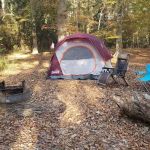 Flynn's Camping Grounds
6418 LA-34
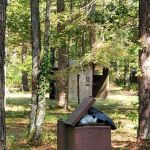 TurkeyTrot Campground
Homer
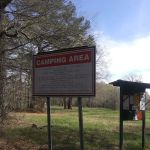 Russel Sage South Campground
Unnamed Road
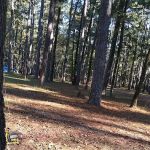 Bucktail Camp, Kisatche National Forest
Homer
Forestry Department Reviews
They go that extra mile when fire get out!!
Dec 26, 2017 · Toni Rose- Feb 22, 2019 · Pamela Fields
More Camping Near Me
 Camp T.L. James4.0 (7 reviews)
105 Camp TL James Rd, Downsville, LA 71234, USA
 The Lucky Duck Fishing Camp4.0 (2 reviews)
7403 Westlake Rd, Sterlington, LA 71280, USA
 Corney Lake Campground4.0 (40 reviews)
Forestry Rd, Bernice, LA 71222, USA
 The Fishing Camp & RV Park3.0 (7 reviews)
7601 US-165 N, Monroe, LA 71203, USA
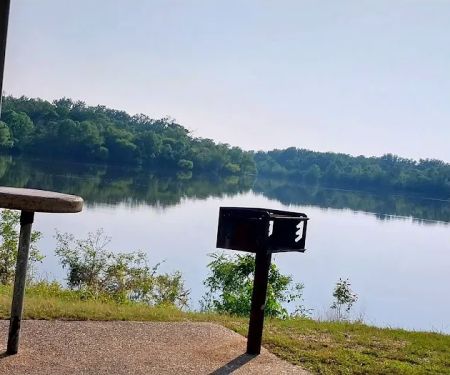 Grand Marais Campground and Recreation4.0 (19 reviews)
150 New Lock 6 Rd, Huttig, AR 71747, USA
 CPF3+JGP Cadeville, Louisiana4.0 (1 reviews)
957 Ervin Cotton Rd, Eros, LA 71238, USA
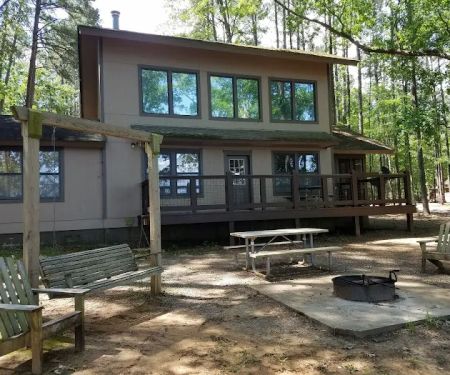 Lake Claiborne Cabins4.0 (17 reviews)
Homer, LA 71040, USA
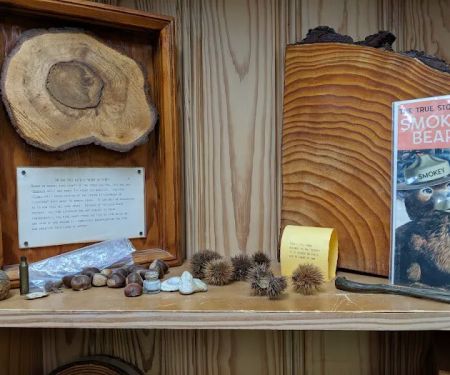 USDA Forest Service3.0 (3 reviews)
4472 AR-133, Crossett, AR 71635, USA
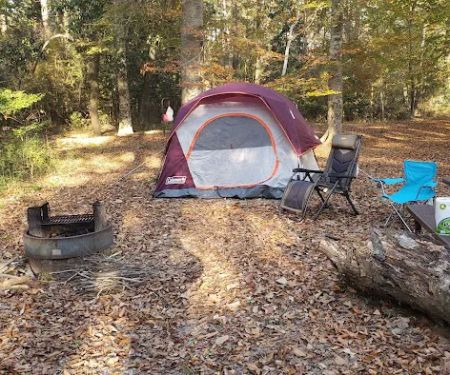 Flynn's Camping Grounds4.0 (8 reviews)
6418 LA-34, Chatham, LA 71226, USA
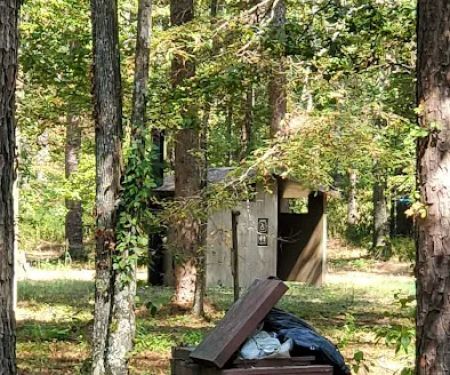 TurkeyTrot Campground3.0 (2 reviews)
Homer, LA 71040, USA
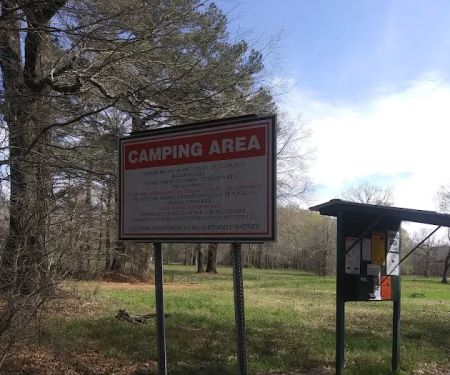 Russel Sage South Campground3.0 (2 reviews)
Unnamed Road, Monroe, LA 71202, USA
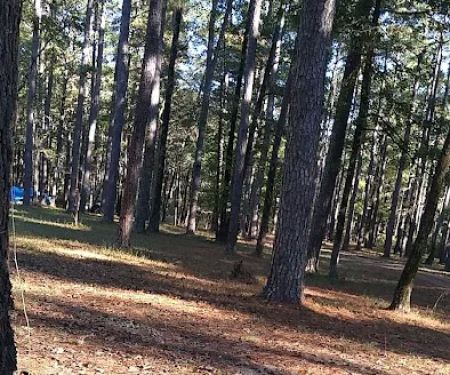 Bucktail Camp, Kisatche National Forest5.0 (5 reviews)
Homer, LA 71040, USA
Categories
Popular Camping Sites
 Big Oak Springs Campsite5.0 (1 reviews)
 Bahia De Sal Rv0.0 (0 reviews)
 Lincoln Park Manufactured Home Community3.0 (107 reviews)
 Nottingham Campground4.0 (79 reviews)
 River Romper Residences5.0 (1 reviews)
 Stonegate Estates4.0 (174 reviews)
Most Searched Camping Sites
Trending Camping Blog Posts
 10 Must-Visit Campgrounds in the Midwest for Your Next Outdoor Adventure
 Romantic Camping Spots for Couples: Perfect Getaways in Nature
 Ultimate Guide to Off the Grid Camping in Remote Locations
 How to Cook Over a Campfire Safely for an Enjoyable Outdoor Experience
 Vanlife in Winter: My Personal Experience Living on the Road
 From City to Camp: My Journey to Nature and What I Learned