
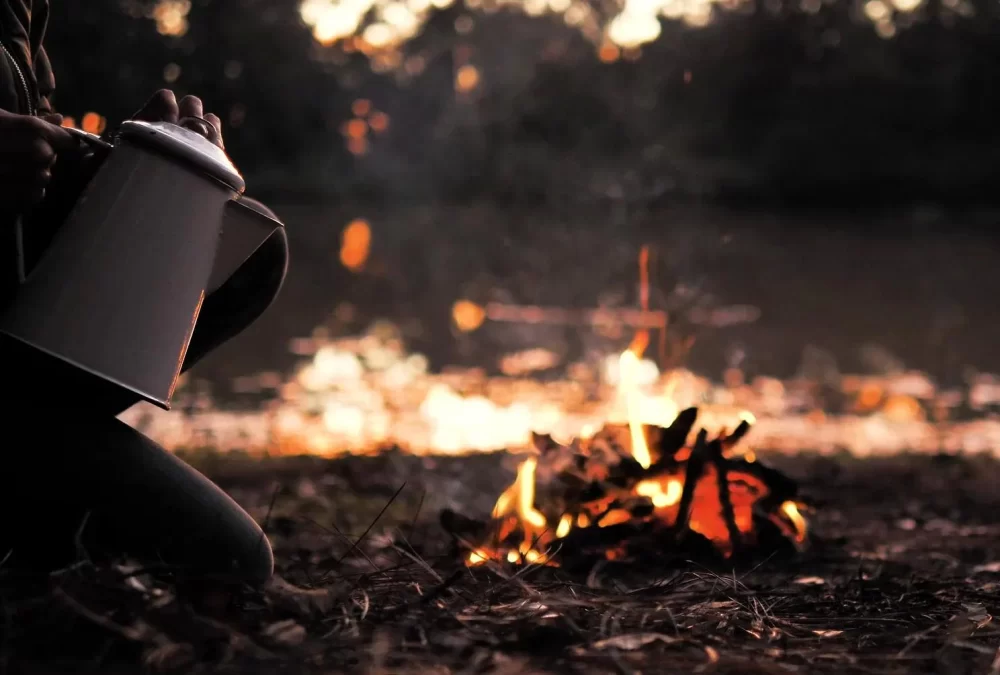
- 1-importance-of-campfire-safety-for-beginners
- 2-preparing-your-campfire-site-safely
- 3-building-and-managing-your-campfire
- 4-extinguishing-your-campfire-properly
- 5-common-campfire-mistakes-and-how-to-avoid-them
- 6-real-life-campfire-safety-story
- 7-where-to-get-campfire-gear-and-resources
1. Importance of Campfire Safety for Beginners
For beginners, understanding campfire safety is crucial not only for personal protection but also to preserve the natural environment. Campfires, while central to the camping experience, can quickly become hazardous if not managed carefully. Uncontrolled fires can cause forest damage, threaten wildlife, and pose serious risks to campers and nearby communities.
Learning and practicing safe campfire tips from the start helps build responsible habits that prevent accidents and promote respect for nature. Whether you're a novice camper or a family enjoying a weekend outdoors, knowing these safety guidelines ensures your campfire adds warmth and fun without danger.
2. Preparing Your Campfire Site Safely
Preparation is the foundation of campfire safety. Beginners should select a site that complies with local regulations and is designated for fires, such as established fire rings or pits. Clear the area around the site of leaves, sticks, and flammable debris, creating a safe perimeter of at least 10 feet.
Keep a bucket of water, a shovel, and a fire extinguisher nearby in case the fire needs to be controlled or extinguished quickly. Avoid building fires under overhanging branches or near tents and equipment. Checking weather conditions beforehand can also prevent starting fires during windy or dry periods when risks increase.
3. Building and Managing Your Campfire
Start your campfire with small tinder and kindling, gradually adding larger sticks and logs as the fire grows. Use dry wood to minimize smoke and control the burn rate. Avoid using accelerants like gasoline, which can cause dangerous flare-ups.
Maintain a manageable fire size, keeping flames below shoulder height. Never leave a campfire unattended, and supervise children and pets closely around the fire. Managing your fire responsibly allows for safe cooking, warmth, and enjoyment without unnecessary hazards.
4. Extinguishing Your Campfire Properly
Properly putting out your campfire is as important as building it safely. Begin by letting the fire burn down to ash and embers. Pour water slowly over the fire, stirring the ashes with a shovel or stick to expose hot spots. Continue adding water until the site is cold to the touch.
If water is scarce, use dirt or sand to smother embers, but be sure to mix thoroughly and check for heat. Never bury hot coals, as they can reignite and cause wildfires. Confirming the fire is fully extinguished before leaving the site protects the environment and future campers.
5. Common Campfire Mistakes and How to Avoid Them
Beginners often make mistakes such as building fires too large, using unsafe accelerants, or failing to extinguish fires completely. Another frequent error is choosing improper locations, which increases the risk of spreading flames.
To avoid these pitfalls, always follow campground rules, maintain control of the fire, and educate everyone in your group about safety practices. Being mindful of these common mistakes helps ensure a fun and safe experience for all involved.
6. Real-Life Campfire Safety Story
A recent camping trip in a popular national park nearly turned tragic when a large unattended fire spread quickly due to dry conditions. Fortunately, quick thinking by a nearby camper who had a bucket of water and a shovel on hand helped extinguish the flames before emergency services arrived.
This incident underscores the importance of campfire safety tips for beginners, especially the need to never leave a fire unattended and always be prepared to put it out immediately. Sharing such stories helps raise awareness and encourages safer camping habits.
7. Where to Get Campfire Gear and Resources
For beginners looking to equip themselves with quality campfire gear and access reliable safety resources, Camping Rural offers a wide selection of essentials. From fire pits and safety tools to camping supplies and educational materials, they provide trusted products to support responsible outdoor adventures.
By choosing quality gear and following expert safety advice, you can enjoy your campfire experiences confidently and responsibly.



 River Ranch Camping4.0 (67 reviews)
 Floridian Sandalwood3.0 (375 reviews)
 McHenry Campground4.0 (89 reviews)
 Linn Grove Park4.0 (51 reviews)
 Azalea Campground4.0 (13 reviews)
 Isaac Waltons Park4.0 (122 reviews)
 10 Must-Visit Campgrounds in the Midwest for Your Next Outdoor Adventure
 Romantic Camping Spots for Couples: Perfect Getaways in Nature
 Ultimate Guide to Off the Grid Camping in Remote Locations
 How to Cook Over a Campfire Safely for an Enjoyable Outdoor Experience
 Vanlife in Winter: My Personal Experience Living on the Road
 From City to Camp: My Journey to Nature and What I Learned