- choose-the-right-campsite-as-a-beginner - Choosing the right campsite as a beginner
- packing-smart-what-first-time-campers-really-need - Packing smart: What first-time campers really need
- first-night-out-what-to-expect-and-how-to-prepare - First night out: What to expect and how to prepare
- a-true-beginner-story-a-mistake-that-became-a-memory - A true beginner story: A mistake that became a memory
- common-beginner-mistakes-and-how-to-avoid-them - Common beginner mistakes and how to avoid them
- making-your-first-trip-comfortable-and-fun - Making your first camping trip comfortable and fun
1. Choosing the right campsite as a beginner
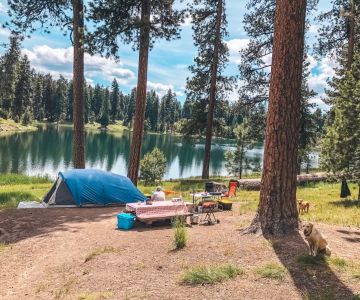
When it comes to camping tips for beginners, location is everything. Your first camping experience can make or break your interest in outdoor adventures. Look for well-reviewed campgrounds that offer basic amenities like clean restrooms, potable water, picnic tables, and marked trails. State parks or established national park campgrounds are ideal for first-timers because they combine scenic beauty with reliable infrastructure.
If you're unsure where to start, try sites that offer drive-in camping or car camping. This allows you to pack generously without worrying about hiking long distances with gear. Sites close to urban areas are a plus for emergencies or quick getaways.
To explore beginner-friendly campgrounds with the right mix of comfort and adventure, check out curated lists and trusted suggestions on Camping Rural.
2. Packing smart: What first-time campers really need
Overpacking and underpacking are both beginner traps. Start with the essentials: a weather-appropriate tent, sleeping bags rated for the season, sleeping pads for comfort, a portable stove, headlamps, and layered clothing. Keep meals simple—think pre-marinated kebabs, pasta, or foil packet meals.
One of the best camping tips for beginners is to test your gear at home. Set up your tent in the backyard, try your sleeping bag on a cold night, and make sure your stove actually works. You’d be surprised how many first-timers skip this step and end up learning the hard way at the campsite.
First-time campers can also benefit from starter gear bundles and checklists available at Camping Rural, tailored specifically for entry-level experiences.
3. First night out: What to expect and how to prepare
Your first night camping may not be perfectly restful—and that’s okay. Unfamiliar noises, temperature changes, and outdoor surroundings can make sleep a little tricky. Earplugs, an eye mask, and a warm layer can help ease the adjustment. Be patient with yourself, and don’t expect luxury—it’s about learning and connecting with nature.
Plan to arrive early so you can set up camp in daylight. Make sure you know how to pitch your tent, locate restrooms, and prepare your first meal before dark. Once your setup is complete, take a few moments to walk the area and get familiar with your surroundings. That sense of orientation can ease first-time nerves significantly.
4. A true beginner story: A mistake that became a memory
Take Noah and Carla, two friends who went on their first camping trip last summer. Armed with excitement and YouTube videos, they drove out to a remote location—without checking the weather forecast. By nightfall, unexpected rain hit, and their poorly pitched tent turned into a leaky puddle.
They ended up laughing the whole night in the back of their car, wrapped in emergency blankets. “It was chaotic,” Carla admitted, “but it’s still one of my favorite memories.” Since then, they’ve upgraded their gear (with some guidance from Camping Rural) and now confidently lead trips for their friends.
5. Common beginner mistakes and how to avoid them
Overestimating skill level: Choose simple routes and activities at first. A scenic walk is better than a multi-day hike when you're still figuring things out.
Ignoring weather prep: Always check the weather—and pack accordingly. Rain, wind, and nighttime chill are common surprises.
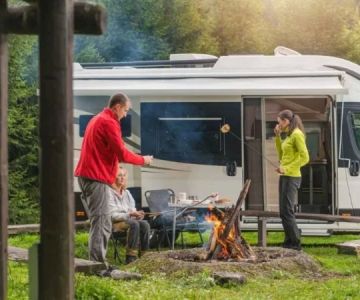
Poor fire safety: Learn fire regulations and always extinguish your fire completely. Never leave it unattended.
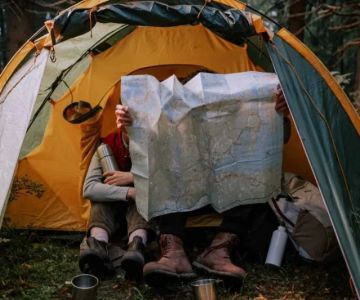
Assuming Wi-Fi or cell signal: Most sites won’t have either. Download maps, offline guides, or printed directions in advance.
Many of these pitfalls are easy to avoid with the right guidance. Beginners can rely on trusted resources and starter kits from Camping Rural to ensure their first trip goes smoothly.
6. Making your first camping trip comfortable and fun
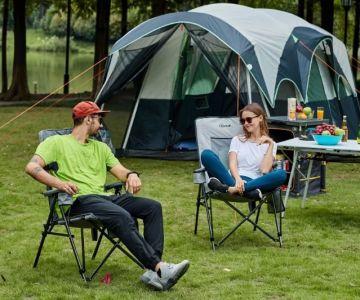
Comfort doesn’t mean luxury—it means thoughtful choices. A good folding chair, a lantern with warm light, your favorite coffee in the morning, or a cozy hoodie can turn a basic night under the stars into a magical one. Set realistic expectations and leave room for small adventures. Explore, cook, nap, listen to nature—and most importantly, enjoy being disconnected.
Camping tips for beginners aren’t just about avoiding mistakes—they’re about setting the tone for a lifelong connection to the outdoors. Whether you're heading out solo, with a partner, or your whole family, let Camping Rural be your starting point for trustworthy products, practical advice, and unforgettable memories.
 Elkhorn RV Lodge4.0 (80 reviews)
 Hogan Reservoir4.0 (25 reviews)
 Lighthouse Marine Park Campground0.0 (0 reviews)
 Fancy Gap Cabins and Campground4.0 (389 reviews)
 Triple Bridges Campground5.0 (4 reviews)
 Grey's Point Camp4.0 (508 reviews)
 10 Must-Visit Campgrounds in the Midwest for Your Next Outdoor Adventure
 Romantic Camping Spots for Couples: Perfect Getaways in Nature
 Ultimate Guide to Off the Grid Camping in Remote Locations
 How to Cook Over a Campfire Safely for an Enjoyable Outdoor Experience
 Vanlife in Winter: My Personal Experience Living on the Road
 From City to Camp: My Journey to Nature and What I Learned