
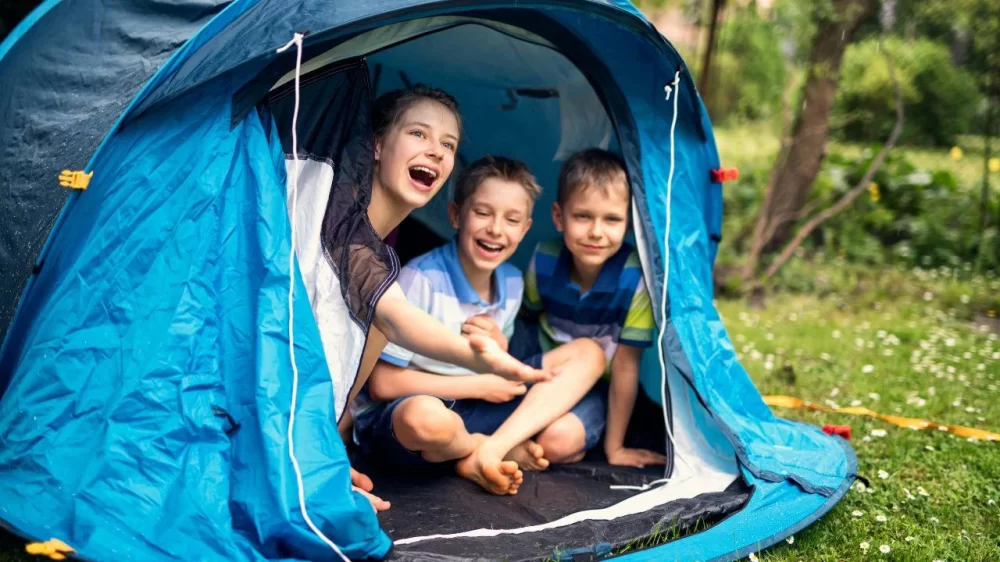
- Preparing-for-wet-weather-camping
- Choosing-the-right-waterproof-gear
- Campsite-selection-and-setup
- Maintaining-dryness-during-camping-activities
- Real-life-experience-and-expert-advice
1. Preparing for Wet Weather Camping: Foundations for Staying Dry
Camping in wet conditions requires more than just luck; it calls for thorough preparation and a mindset focused on resilience. Before setting out, understanding the challenges wet weather brings is crucial. Rain can turn trails slippery, gear soggy, and spirits low if you’re unprepared. The key to staying dry starts with planning. Study the weather forecast closely and expect that conditions may worsen unexpectedly. Packing with a focus on waterproofing and moisture management can drastically improve your experience.
Layering your clothing with moisture-wicking and quick-dry fabrics helps manage sweat and rain simultaneously. Investing in synthetic or wool base layers rather than cotton can keep you warmer and drier. Additionally, bringing a lightweight, waterproof jacket and pants is essential. These items act as your first defense against the elements, preventing water from soaking through to your skin. At Camping Rural, you can find specialized gear designed precisely for these tough conditions, making your preparation seamless and reliable.
1.1 Strategic Packing: Avoiding the Wet Trap
One of the most common mistakes campers make in wet weather is neglecting how they pack their belongings. Everything from clothing to electronics needs to be protected. Use waterproof bags or dry sacks to organize and shield your essentials. Even better, double-bag sensitive items to ensure total dryness. Placing wet gear outside the sleeping area prevents moisture buildup inside your tent, which otherwise turns your sanctuary into an uncomfortable swamp.
1.2 Psychological Readiness: Embrace the Challenge
Mentally preparing for the inconvenience and discomfort of wet weather is often overlooked. Viewing rain as part of the adventure rather than a nuisance helps maintain morale. Many seasoned campers recall trips where unexpected downpours became memorable stories rather than burdens. This mental shift is just as important as the physical gear you bring.
2. Choosing the Right Waterproof Gear: The Cornerstone of Dry Camping
Quality waterproof gear can be a game-changer in wet weather camping. When shopping for tents, look for models with high hydrostatic head ratings—this indicates the fabric’s resistance to water penetration. Additionally, features such as taped seams and storm flaps enhance protection. Many campers have shared stories of tents failing during unexpected storms because these details were overlooked.
Footwear deserves special attention. Waterproof hiking boots with breathable membranes keep feet dry while allowing sweat to escape. Socks made from merino wool or synthetic fibers prevent blisters caused by dampness, which are common in wet conditions.
2.1 Advanced Waterproof Technology
Modern outdoor equipment often incorporates advanced materials like Gore-Tex or eVent membranes. These fabrics are engineered to block water from outside while allowing moisture vapor to escape, keeping you dry both externally and internally. Investing in such gear from trusted providers, such as Camping Rural, guarantees durability and comfort during extended wet weather trips.
2.2 Practical Use of Waterproof Accessories
Beyond clothing and tents, consider accessories like waterproof backpacks, gaiters, and rain covers. These items shield your gear and body from splashes and puddles encountered on trails. Gaiters, for example, prevent water and debris from entering your boots, which is a common cause of wet feet and discomfort.
3. Campsite Selection and Setup: Creating a Dry Base
Choosing the right campsite in wet conditions significantly impacts your ability to stay dry. Avoid low-lying areas where water pools and opt for elevated, well-drained ground. Natural features such as slopes and vegetation can offer shelter from wind-driven rain. Setting up your tent with the entrance facing away from prevailing winds reduces rain exposure.
3.1 Efficient Tent Setup to Minimize Moisture
Pitching your tent correctly can prevent water intrusion. Stretch the rainfly taut to allow water to run off rather than pool. Using a ground tarp slightly smaller than your tent footprint prevents water from collecting beneath your shelter while avoiding water accumulation on the tarp edges, which can splash inside the tent.
3.2 Ventilation to Combat Condensation
Wet weather often increases condensation inside tents. Proper ventilation, such as opening vents or slightly cracking tent doors, allows moist air to escape, keeping the interior dry. This is essential to avoid waking up in a damp environment, which can affect your comfort and health.
4. Maintaining Dryness During Camping Activities: Practical Tips and Habits
Staying dry goes beyond setup—it requires mindful behavior throughout your camping experience. When moving around, use waterproof covers for backpacks and keep spare dry clothes in sealed bags. Changing out of wet clothes immediately reduces chills and potential hypothermia risk.
4.1 Cooking and Eating in Wet Conditions
Wet weather complicates cooking, but simple adjustments help. Use portable shelters or tarps to create a dry cooking area. Organizing your gear to avoid moisture contamination—such as keeping food sealed and off the ground—ensures safety and hygiene.
4.2 Managing Wet Gear and Clothing
At the end of the day, hang wet clothes and gear on tree branches or lines away from your tent to dry. Even in persistent rain, this practice reduces the overall dampness in your sleeping area and prepares you for the next day.
5. Real-Life Experience and Expert Advice: Stories and Tips from Seasoned Campers
Many campers have faced unexpected storms that tested their wet weather preparedness. For instance, a group hiking in the Pacific Northwest shared how their meticulous waterproofing routine saved their trip. By using layered clothing, high-quality tents, and strategic campsite choices, they stayed comfortable despite 48 hours of continuous rain. Their story highlights the value of thorough preparation and flexible thinking.
Experts advise investing in gear quality over quantity—better waterproof technology reduces stress and increases enjoyment. Additionally, developing a habit of regular weather checks and gear maintenance keeps surprises to a minimum.
For those looking to equip themselves fully for such adventures, Camping Rural offers a curated selection of reliable outdoor products, from waterproof tents to moisture-wicking apparel, ensuring you are ready for any wet weather challenge.
 Maples Campground4.0 (21 reviews)
 Rivers Edge Cabin Airbnb0.0 (0 reviews)
 Forsyth KOA Journey4.0 (1183 reviews)
 Agua Norte5.0 (3 reviews)
 Hirz Bay Group 23.0 (12 reviews)
 SUNNY SKIES RV PARK3.0 (16 reviews)
 10 Must-Visit Campgrounds in the Midwest for Your Next Outdoor Adventure
 Romantic Camping Spots for Couples: Perfect Getaways in Nature
 Ultimate Guide to Off the Grid Camping in Remote Locations
 How to Cook Over a Campfire Safely for an Enjoyable Outdoor Experience
 Vanlife in Winter: My Personal Experience Living on the Road
 From City to Camp: My Journey to Nature and What I Learned