
- 1-why-choose-vegan-and-vegetarian-camping-recipes
- 2-essential-ingredients-for-vegan-and-vegetarian-camping-meals
- 3-easy-vegan-breakfast-ideas-for-camping
- 4-hearty-vegetarian-lunch-recipes-for-camping
- 5-simple-and-nutritious-vegan-dinners-for-outdoor-cooking
- 6-tips-for-prepping-and-packing-vegan-and-vegetarian-camping-meals
1. Why Choose Vegan and Vegetarian Camping Recipes
Adopting vegan & vegetarian camping recipes not only supports a sustainable lifestyle but also enhances your outdoor experience by providing wholesome, nutrient-rich meals that are easy to prepare and carry. Many campers find plant-based meals lighter on the stomach, making hikes and physical activities more enjoyable. Additionally, choosing vegan and vegetarian recipes reduces reliance on perishable animal products, which can be challenging to store during camping trips.
Moreover, plant-based camping food can introduce a creative variety of flavors, from smoky grilled veggies to flavorful grain bowls. This approach aligns with eco-conscious values while ensuring you stay energized during your adventures.
2. Essential Ingredients for Vegan and Vegetarian Camping Meals
Successful vegan and vegetarian camping recipes often rely on a few staple ingredients that are lightweight, nutritious, and versatile. Dried legumes like lentils and chickpeas, whole grains such as quinoa and rice, and canned or dehydrated vegetables form the backbone of many dishes. Nuts, seeds, and nut butters provide healthy fats and proteins that keep you satiated.
Herbs and spices, including garlic powder, smoked paprika, and chili flakes, elevate simple ingredients into delicious meals. Packing dehydrated sauces or condiments can also add zest without extra weight. Planning your ingredient list carefully ensures you have everything you need for flavorful, balanced meals in the wilderness.
3. Easy Vegan Breakfast Ideas for Camping
Breakfast is a vital meal that sets the tone for an active day outdoors. Vegan camping breakfasts should be quick to prepare and energizing. Overnight oats soaked in plant-based milk with dried fruits and nuts are a popular choice, requiring no cooking and minimal cleanup. Another option is a simple tofu scramble seasoned with turmeric and nutritional yeast, cooked in a portable pan.
For those who prefer hot cereals, instant quinoa or millet porridge mixed with cinnamon and maple syrup offers a comforting start. Adding fresh berries or bananas (if available) boosts flavor and nutrients. These breakfasts balance convenience and nutrition, helping campers begin their day with sustained energy.
4. Hearty Vegetarian Lunch Recipes for Camping
Lunch on the trail should be filling yet easy to eat without extensive preparation. Wraps filled with hummus, fresh veggies, and avocado make for quick, portable meals. Grain salads combining cooked quinoa or couscous with chopped peppers, cucumbers, olives, and a lemon-tahini dressing deliver both flavor and nourishment.
Another great lunch option is lentil or bean salads tossed with fresh herbs and olive oil, which can be prepped at home and carried in sealed containers. These meals provide fiber, protein, and essential vitamins while keeping you light enough to enjoy your outdoor activities.
5. Simple and Nutritious Vegan Dinners for Outdoor Cooking
After a long day of hiking or exploring, dinner should be comforting and restorative. Vegan chili made with canned beans, tomatoes, and spices can simmer easily over a camp stove, delivering warmth and flavor. Stir-fried vegetables with tofu and rice or noodles create a satisfying and balanced meal with minimal equipment.
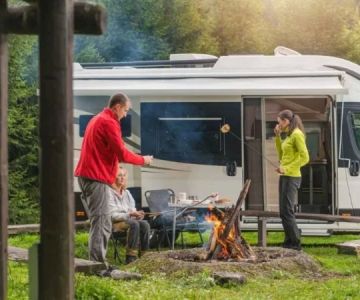
Foil packet meals featuring seasoned vegetables, potatoes, and plant-based protein cooked over coals are both practical and delicious. These dinners provide essential nutrients and encourage social connection around the campfire. Sharing stories over a tasty vegan meal can enrich your camping experience.
6. Tips for Prepping and Packing Vegan and Vegetarian Camping Meals
Preparation is key to successful vegan and vegetarian camping meals. Pre-cooking grains and legumes before your trip saves time and fuel. Portion meals into airtight containers or resealable bags to keep food fresh and organized. Using lightweight, reusable utensils and compact cookware reduces your pack weight and environmental footprint.
Keeping a cooler or insulated bag for perishables and layering meals by usage day ensures efficiency. Hydrating dehydrated meals with water at the campsite cuts down on carry weight. Lastly, consulting resources like Camping Rural can provide tailored recommendations for gear and ingredients that enhance your plant-based camping culinary journey.


 Roamer Sites4.0 (9 reviews)
 Windhorst Mobile Home Park3.0 (15 reviews)
 Yellowjacket Campground4.0 (73 reviews)
 Steamboat Hill Campground4.0 (4 reviews)
 Appaloosa Meadows0.0 (0 reviews)
 Camp Jackson Sawyer - Scouting America4.0 (138 reviews)
 10 Must-Visit Campgrounds in the Midwest for Your Next Outdoor Adventure
 Romantic Camping Spots for Couples: Perfect Getaways in Nature
 Ultimate Guide to Off the Grid Camping in Remote Locations
 How to Cook Over a Campfire Safely for an Enjoyable Outdoor Experience
 Vanlife in Winter: My Personal Experience Living on the Road
 From City to Camp: My Journey to Nature and What I Learned