
- camping-fire-bans-and-regulations-overview
- why-are-camping-fire-bans-important
- types-of-fire-restrictions
- regional-differences-in-fire-regulations
- how-to-check-current-fire-bans
- safe-campfire-practices
- impact-of-violating-fire-bans
- recommendations-for-campers
Camping Fire Bans and Regulations Overview
Camping fire bans and regulations are critical rules set by federal, state, and local authorities to prevent wildfires and protect natural resources. These regulations vary widely depending on weather conditions, drought levels, and geographic location. Campfires, while a traditional part of camping culture, pose a serious risk during dry seasons or in fire-prone areas. Therefore, understanding and respecting fire bans is essential for every camper to ensure safety and preserve nature.
1. The Role of Fire Bans in Camping
Fire bans serve as preventive measures designed to reduce wildfire incidents. With rising temperatures and prolonged dry spells, especially in states like California, Colorado, and Arizona, authorities impose fire restrictions to limit human-caused fires. These bans can affect campfires, charcoal grills, smoking, and even some vehicle operations. They aim to minimize accidental ignitions that could escalate into large, uncontrollable wildfires devastating communities and ecosystems.
Why Are Camping Fire Bans Important?
The significance of camping fire bans extends beyond protecting the forest. Wildfires threaten wildlife habitats, endanger human lives, and lead to enormous economic losses. In recent years, the United States has seen record-breaking wildfire seasons, emphasizing the necessity of strict fire regulations. Following these bans not only helps prevent disaster but also demonstrates responsible outdoor ethics that protect recreational areas for future generations.
2. Types of Fire Restrictions
Fire restrictions come in various forms:
- Stage 1 (Moderate Restrictions): Limits open flames and requires fire permits in certain areas.
- Stage 2 (High Restrictions): Prohibits most open flames, including campfires, and restricts smoking to designated areas.
- Complete Fire Ban: No open flames or sparks allowed. Even cooking on portable stoves may be restricted.
These stages depend on current environmental conditions and are frequently updated based on wildfire risk assessments.
Regional Differences in Fire Regulations
Each U.S. region implements fire bans according to its specific climate and vegetation. For example, the Western states often enforce fire bans earlier in the year due to longer dry seasons, while Eastern states may have shorter or less frequent bans. National Parks, state forests, and local campgrounds may also have unique rules tailored to their ecosystems. Campers must research the specific fire regulations of their destination to ensure compliance.
3. How to Check Current Fire Bans
Before heading out, checking the current fire bans for your camping area is crucial. Reliable sources include:
- Official websites of National and State Forest Services
- Local fire departments and ranger stations
- Government social media accounts providing timely updates
- Apps and websites dedicated to wildfire and fire restriction tracking
Planning ahead and staying informed prevents violations and helps you adapt your camping plans safely.
Safe Campfire Practices
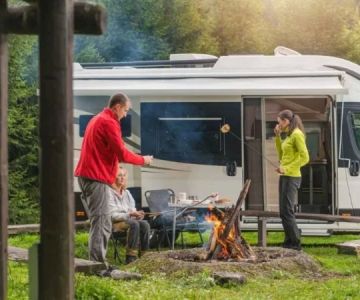
When fire bans are lifted or partial restrictions apply, practicing safe campfire habits is essential to avoid accidents. Some guidelines include:
- Build fires only in designated fire rings or pits.
- Keep fires small and manageable.
- Never leave a fire unattended.
- Completely extinguish fires with water and stir ashes until cold.
- Avoid using flammable liquids to start fires.
Responsible behavior ensures your campfire is both enjoyable and safe.
4. Impact of Violating Fire Bans
Ignoring camping fire bans can have serious consequences, including hefty fines, legal charges, and increased wildfire risk. In many areas, violators may be held financially responsible for firefighting costs and damages. Beyond legal repercussions, violating fire bans endangers lives, property, and the environment. Stories from past wildfire events highlight how a single unattended campfire caused devastating blazes, underscoring the need for vigilance.
Recommendations for Campers
Respecting camping fire bans and regulations is non-negotiable for safety and conservation. Always:
- Research fire regulations specific to your camping location.
- Use alternative cooking methods like portable gas stoves during bans.
- Educate your camping group about fire safety rules.
- Report any unsafe fire use to local authorities.
For reliable camping gear and supplies compliant with fire safety standards, visit Camping Rural to find the best products and expert advice.
 Laguna Mountain4.0 (37 reviews)
 Petoskey State Park Campground4.0 (31 reviews)
 Horse Cove Campground, Cheoah Ranger District, Nantahala National Forest4.0 (40 reviews)
 Brass Bell Marina and Campground4.0 (11 reviews)
 Glenwood Mobile Park3.0 (30 reviews)
 Camp Peniel0.0 (0 reviews)
 10 Must-Visit Campgrounds in the Midwest for Your Next Outdoor Adventure
 Romantic Camping Spots for Couples: Perfect Getaways in Nature
 Ultimate Guide to Off the Grid Camping in Remote Locations
 How to Cook Over a Campfire Safely for an Enjoyable Outdoor Experience
 Vanlife in Winter: My Personal Experience Living on the Road
 From City to Camp: My Journey to Nature and What I Learned