
- 1-global-overview-of-camping-traditions
- 2-unique-camping-practices-in-various-countries
- 3-cultural-rituals-and-campfire-activities
- 4-impact-of-traditions-on-modern-camping-experiences
- 5-stories-from-campers-exploring-different-traditions
- 6-resources-for-exploring-camping-traditions
1. Global Overview of Camping Traditions
Camping is a beloved activity enjoyed worldwide, but the ways people experience it can vary greatly depending on cultural backgrounds and regional customs. Camping traditions around the world reflect not just outdoor survival skills but also social rituals, local cuisine, and even spiritual practices. Understanding these differences enriches the camping experience and encourages cultural appreciation.
1.1 Why Traditions Matter in Camping
Camping traditions shape how communities interact with nature and each other, influencing the gear they use, how they cook, and the types of stories or songs shared around the campfire. These customs preserve history and foster connections among campers.
2. Unique Camping Practices in Various Countries
In Scandinavian countries, camping often involves "friluftsliv," an outdoor life philosophy emphasizing harmony with nature, including specific etiquette like leaving no trace. In Japan, camping may incorporate traditional tea ceremonies or seasonal festivals near campsites. Meanwhile, in Australia, campers embrace “swag” tents and bush cooking that reflect indigenous influences.
2.1 Examples of Distinctive Traditions
For instance, in Canada, it's common to engage in storytelling and star-gazing rituals after dusk, fostering a sense of community and respect for the wilderness. In New Zealand, Maori cultural elements sometimes inspire camping ceremonies that honor the land.
3. Cultural Rituals and Campfire Activities
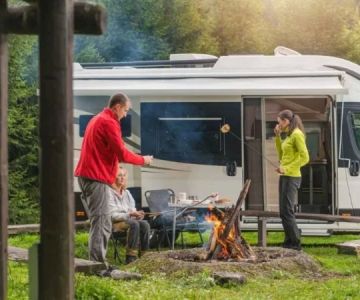
Campfires serve as a universal hub of camping culture, where rituals and activities vary from singing traditional songs to sharing folklore or engaging in local crafts. These practices often pass down knowledge and values across generations.
3.1 The Role of Food and Cooking
Food preparation is another key tradition, ranging from the American classic s’mores to elaborate communal meals seen in European camping. Cooking styles and the sharing of local dishes bring campers closer and celebrate cultural identity.
4. Impact of Traditions on Modern Camping Experiences
Modern campers often blend traditional customs with contemporary gear and techniques, resulting in hybrid experiences that respect heritage while embracing innovation. This fusion keeps camping vibrant and relevant across cultures.
5. Stories from Campers Exploring Different Traditions
Many travelers recount transformative experiences after participating in local camping customs. For example, a group of campers in Sweden shared how adopting “friluftsliv” principles deepened their appreciation for simplicity and environmental care, changing how they camp permanently.
6. Resources for Exploring Camping Traditions
If you’re inspired to learn more or plan a culturally rich camping trip, Camping Rural offers excellent resources, products, and guidance to help you explore camping traditions around the world safely and enjoyably.
Exploring camping traditions around the world opens doors to diverse ways of connecting with nature and people. Whether you’re a novice or an experienced camper, embracing these customs enriches every outdoor adventure and fosters global community bonds.
 Turtle Island Campground5.0 (2 reviews)
 Wellswood Inc3.0 (2 reviews)
 McVille Dam Campground4.0 (35 reviews)
 Colaluca Family Campground (previously known as Ginny B Campground)4.0 (195 reviews)
 Beech Hill Campground4.0 (120 reviews)
 Rustic Ranch Mobile Home Park3.0 (116 reviews)
 10 Must-Visit Campgrounds in the Midwest for Your Next Outdoor Adventure
 Romantic Camping Spots for Couples: Perfect Getaways in Nature
 Ultimate Guide to Off the Grid Camping in Remote Locations
 How to Cook Over a Campfire Safely for an Enjoyable Outdoor Experience
 Vanlife in Winter: My Personal Experience Living on the Road
 From City to Camp: My Journey to Nature and What I Learned