
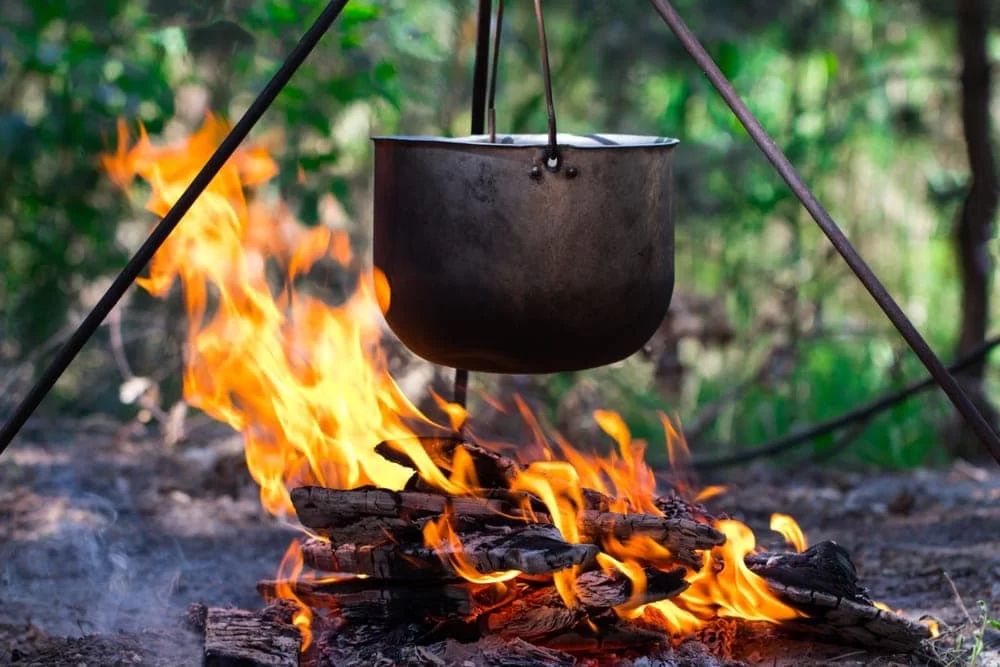
- 1-Understanding-the-Importance-of-Potable-Water
- 2-Identifying-Natural-Water-Sources-While-Camping
- 3-Methods-to-Purify-Water-in-the-Wild
- 4-Tips-for-Storing-and-Carrying-Water
- 5-Real-Life-Camping-Experience
- 6-Recommended-Products-and-Resources
1. Understanding the Importance of Potable Water
Water is essential for survival, especially during outdoor adventures like camping. Finding potable water—water safe for drinking—is crucial to avoid dehydration and waterborne illnesses. Many campers underestimate the difficulty of locating clean water, leading to risky consumption of contaminated sources that can cause severe health problems.
Recognizing the importance of potable water encourages preparation and knowledge, key factors that ensure safety and enjoyment during camping trips.
1.1 Risks of Drinking Unsafe Water
Consuming untreated water can expose you to parasites, bacteria, and viruses such as Giardia or E. coli, resulting in symptoms ranging from mild stomach upset to serious infections requiring medical treatment.
2. Identifying Natural Water Sources While Camping
Natural sources like streams, rivers, lakes, and springs can be excellent water supplies, but they require careful evaluation:
2.1 Fresh Flowing Water Is Often Safer
Running water tends to be less contaminated than stagnant water. Streams or springs flowing from higher elevations are preferable sources.
2.2 Avoid Water Near Human or Animal Activity
Water downstream from campsites, livestock areas, or settlements is more likely to be polluted.
2.3 Collect Rainwater When Possible
Rainwater is naturally pure but should still be filtered or boiled if collected from surfaces.
3. Methods to Purify Water in the Wild
Even if you find a seemingly clean water source, purification is essential. Here are reliable methods:
3.1 Boiling
Boiling water for at least one minute kills most pathogens. It’s a simple and effective technique when you have the means.
3.2 Water Filters
Portable water filters designed for camping remove bacteria, protozoa, and sediments. Some advanced filters also eliminate viruses.
3.3 Chemical Purification
Using iodine or chlorine tablets is lightweight and easy, though it may alter taste. Follow instructions carefully for effectiveness.
3.4 Ultraviolet (UV) Light Purifiers
UV purifiers neutralize microbes quickly and are convenient for backpackers.
4. Tips for Storing and Carrying Water
Proper storage maintains water quality and ease of use:
4.1 Use Clean, BPA-Free Containers
Containers designed for outdoor use prevent contamination and are durable.
4.2 Keep Water Covered and Cool
Shield water from sunlight to inhibit bacterial growth and maintain freshness.
4.3 Carry Adequate Water for Your Trip Duration
Plan your water needs, accounting for physical activity and temperature.
5. Real-Life Camping Experience: Staying Hydrated Safely
During a summer camping trip in the Rocky Mountains, Sarah and her friends encountered a dried-up riverbed and had to locate alternative water sources. Using their knowledge, they found a nearby spring, filtered the water with a portable filter, and boiled it before drinking. This experience reinforced the importance of preparation and understanding how to find potable water while camping.
Such real-life stories remind us that being equipped with skills and tools for water purification is as important as the water source itself.
6. Recommended Products and Resources
For those looking to enhance their camping experience and water safety, Camping Rural offers a curated selection of trusted water filters, purification tablets, and durable water containers. Their expert advice and quality products help ensure you stay hydrated safely and comfortably throughout your outdoor adventures.
 Hacienda Mobile Estates - A 55+ Community4.0 (47 reviews)
 Granite Bay Estates4.0 (99 reviews)
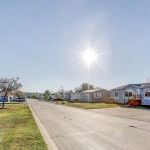 Hunters Crossing3.0 (91 reviews)
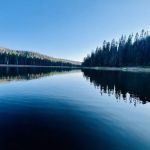 Bucks Lake Camp & RV4.0 (65 reviews)
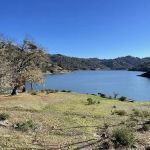 Madrone Point5.0 (1 reviews)
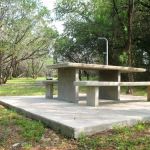 Grelle Recreation Area4.0 (160 reviews)
 10 Must-Visit Campgrounds in the Midwest for Your Next Outdoor Adventure
 Romantic Camping Spots for Couples: Perfect Getaways in Nature
 Ultimate Guide to Off the Grid Camping in Remote Locations
 How to Cook Over a Campfire Safely for an Enjoyable Outdoor Experience
 Vanlife in Winter: My Personal Experience Living on the Road
 From City to Camp: My Journey to Nature and What I Learned