

- 1-Planning-Your-Camping-Trip-with-Pets
- 2-Essential-Gear-and-Supplies-for-Pet-Safety
- 3-Managing-Environmental-Risks-During-Camping
- 4-Monitoring-Your-Pets-Health-and-Behavior
- 5-Campfire-and-Food-Safety-Considerations
- 6-Training-and-Emergency-Preparedness
1. Planning Your Camping Trip with Pets: Setting the Foundation for Safety
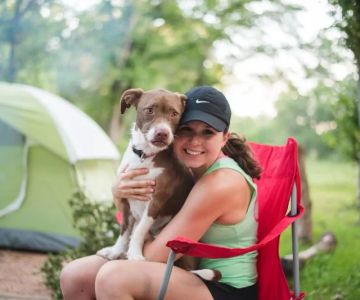
Camping is a fantastic way to bond with your furry companions, but ensuring their safety during the trip requires careful planning. Before you head out, research pet-friendly campgrounds and check for any restrictions related to pets. Consider your pet’s temperament and health status; some animals may find the outdoor environment stressful, while others thrive in nature.
One key part of planning involves making a checklist tailored to your pet’s needs—such as medications, ID tags, and favorite toys. Remember, proper preparation not only safeguards your pet but also allows you to enjoy the trip with peace of mind. At Camping Rural, you can find specialized gear and resources designed to support safe and comfortable camping experiences for you and your pets.
1.1 Understanding Your Pet’s Limits
Some pets have physical limitations or anxiety that can make camping challenging. Knowing your pet’s boundaries helps prevent overexertion or stressful situations. For example, older dogs or those with joint problems may need shorter walks or softer terrain.
1.2 Vaccinations and Health Checks
Before camping, ensure your pet is up to date on vaccinations and parasite preventatives. Ticks, fleas, and other insects are common in outdoor areas and can cause serious health problems. Consulting your veterinarian prior to the trip can help you prepare accordingly.
2. Essential Gear and Supplies for Pet Safety: What to Pack and Why
Having the right gear is crucial when it comes to keeping your pet safe while camping. Essential items include a sturdy leash, harness, and collar with identification tags. A portable water bowl and sufficient fresh water are necessary to keep your pet hydrated, especially during warmer weather or active hikes.
Additionally, consider packing a pet first aid kit stocked with items such as antiseptic wipes, bandages, tweezers, and any medications your pet may require. Having these supplies on hand enables you to address minor injuries promptly and reduces the risk of complications.
Products specifically designed for outdoor pets, such as cooling vests or reflective gear, can be found at Camping Rural, offering extra protection in diverse environments.
2.1 Shelter and Sleeping Arrangements
Providing a comfortable sleeping space for your pet is important. Whether it’s a portable crate, dog bed, or tent space designated for them, this helps reduce stress and offers a safe refuge from wildlife or weather changes.
2.2 Food and Nutrition
Bringing your pet’s regular food prevents digestive issues. Avoid feeding wild plants or human food, which may be toxic. Pre-portioned meals make feeding easier and reduce waste.
3. Managing Environmental Risks During Camping: Protecting Pets from Nature’s Hazards
Camping environments pose unique risks, from poisonous plants to wildlife encounters. Awareness is key to minimizing dangers. For example, certain plants like poison ivy or mushrooms can cause allergic reactions or poisoning if ingested.
Keep pets on a leash or within a secure area to avoid wandering into unsafe zones. Be vigilant for signs of insect bites or stings, which may require immediate treatment. Heatstroke and hypothermia are also concerns depending on weather, so monitoring temperature and adjusting activity accordingly is vital.
A real-life example involved a camper’s dog encountering a rattlesnake while exploring off-trail. Thanks to immediate veterinary care and prompt removal from the area, the dog recovered well. This underscores the importance of preparedness and caution.
3.1 Insect and Parasite Protection
Use veterinarian-recommended flea and tick preventatives, as these parasites are prevalent in many camping areas. Check your pet regularly for ticks and promptly remove any found.
3.2 Water Safety
Prevent your pet from drinking from stagnant water sources that may contain harmful bacteria or parasites. Carry enough clean water for drinking and rinsing wounds.
4. Monitoring Your Pet’s Health and Behavior: Signs to Watch For
Active observation is essential when camping with pets. Changes in behavior, appetite, or energy levels can signal distress or illness. Symptoms like excessive panting, vomiting, diarrhea, or lethargy warrant immediate attention.
Keeping a journal or notes on your pet’s daily condition during the trip can help identify subtle changes early. In cases of severe symptoms, seek veterinary care promptly. Camping Rural offers advice on recognizing and managing common pet health issues encountered outdoors.
4.1 Behavioral Changes
Watch for signs of anxiety or discomfort, such as pacing, whining, or hiding. These can indicate fear, injury, or environmental stress.
4.2 Hydration and Nutrition Monitoring
Ensure your pet drinks enough water and eats properly. Dehydration can escalate quickly outdoors, especially during physical activity.
5. Campfire and Food Safety Considerations: Preventing Accidents and Poisoning
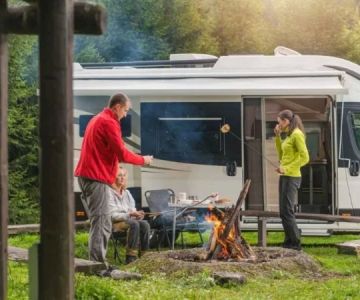
Campfires are a central part of camping culture, but they pose risks for pets. Keep pets away from open flames and hot embers to prevent burns. Secure food out of reach to avoid accidental ingestion of harmful substances or attracting wildlife.
A cautionary story comes from a camper who left sausages unattended, attracting bears and putting both the campers and pets at risk. This highlights the importance of food storage and campfire safety protocols.
5.1 Safe Food Storage
Store pet food in airtight containers and avoid feeding table scraps. Dispose of waste properly to minimize wildlife encounters.
5.2 Campfire Boundaries
Create a clear boundary around the campfire area and supervise pets closely when near it.
6. Training and Emergency Preparedness: Being Ready for the Unexpected
Proper training can prevent many camping-related incidents. Teaching your pet basic commands like “stay,” “come,” and “leave it” improves safety when outdoors. Carry identification with your contact information and consider microchipping your pet as a precaution.
Prepare for emergencies by knowing the location of the nearest veterinary clinic and having emergency contacts on hand. Carry a first aid kit and be familiar with basic pet first aid procedures.
Camping Rural provides detailed guides and gear for pet emergency preparedness, ensuring you and your pet can handle unexpected situations confidently.
6.1 Emergency Contact and ID
Ensure your pet’s collar has up-to-date ID tags, and keep a copy of vaccination records and medical history handy.
6.2 First Aid Knowledge
Taking a pet first aid course can empower you to act quickly and effectively if accidents occur.




 Hacienda Mobile Estates - A 55+ Community4.0 (47 reviews)
 Granite Bay Estates4.0 (99 reviews)
 Hunters Crossing3.0 (91 reviews)
 Bucks Lake Camp & RV4.0 (65 reviews)
 Madrone Point5.0 (1 reviews)
 Grelle Recreation Area4.0 (160 reviews)
 10 Must-Visit Campgrounds in the Midwest for Your Next Outdoor Adventure
 Romantic Camping Spots for Couples: Perfect Getaways in Nature
 Ultimate Guide to Off the Grid Camping in Remote Locations
 How to Cook Over a Campfire Safely for an Enjoyable Outdoor Experience
 Vanlife in Winter: My Personal Experience Living on the Road
 From City to Camp: My Journey to Nature and What I Learned