
- 1-Importance-of-Knowing-How-to-Signal-for-Help-While-Camping
- 2-Visual-Signals-for-Rescue
- 3-Audible-Signals-to-Attract-Attention
- 4-Using-Technology-and-Tools-for-Signaling
- 5-Real-Life-Examples-of-Effective-Signaling
1. Importance of Knowing How to Signal for Help While Camping
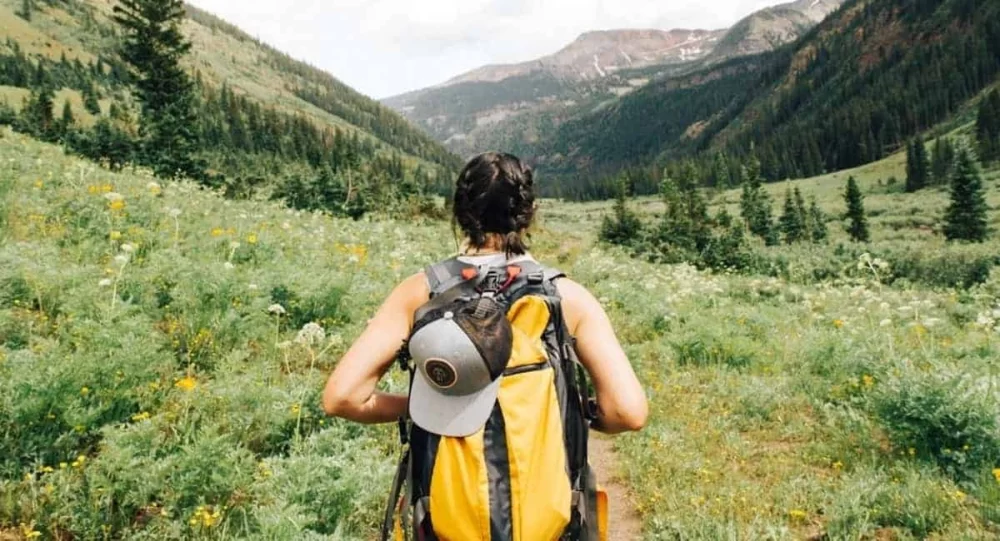
Knowing how to signal for help while camping is crucial for any outdoor enthusiast. Emergencies can arise unexpectedly due to injury, getting lost, or severe weather. Being prepared to effectively communicate your need for assistance can be life-saving and reduce rescue times.
Understanding various signaling methods empowers campers to stay calm and proactive in critical situations.
2. Visual Signals for Rescue
Visual signals are among the most effective ways to attract attention from rescuers:
2.1 SOS Signals
Using rocks, sticks, or brightly colored items, arrange the internationally recognized SOS pattern (three short, three long, three short) on the ground in an open area visible from the air.
2.2 Signal Fires and Smoke
Building a controlled signal fire during the day produces smoke that can be seen from a distance. At night, the fire’s flames serve as a clear visual marker.
2.3 Reflective Objects
Mirrors, metal, or other reflective items can be angled to catch sunlight and flash signals toward search teams or passing aircraft.
3. Audible Signals to Attract Attention
Sounds carry well in wilderness areas and can alert rescuers nearby:
3.1 Whistle Blasts
Three short whistle blasts, repeated with pauses, is a universal distress call recognized by rescue personnel.
3.2 Shouting and Noise-Making
Using your voice or banging objects like rocks or pots can generate loud noises to draw attention, especially in areas where visual signals might be obscured.
4. Using Technology and Tools for Signaling
Modern technology can greatly improve your chances of rescue:
4.1 Personal Locator Beacons (PLBs) and GPS Devices
These devices send distress signals with your location to emergency responders, providing a direct and reliable method to call for help.
4.2 Mobile Phones and Radios
If reception is available, use your phone or radio to contact emergency services. Keep devices charged and protected.
5. Real Life Examples of Effective Signaling
A recent case involved a hiker stranded after a fall in a remote forest. Using a whistle and a mirror to flash sunlight, rescuers located him quickly, preventing serious consequences. His preparedness in how to signal for help while camping made all the difference.
For reliable gear and expert advice on outdoor safety, Camping Rural offers a variety of tools and resources to help campers stay safe and ready in emergencies.

 Turtle Island Campground5.0 (2 reviews)
 Wellswood Inc3.0 (2 reviews)
 McVille Dam Campground4.0 (35 reviews)
 Colaluca Family Campground (previously known as Ginny B Campground)4.0 (195 reviews)
 Beech Hill Campground4.0 (120 reviews)
 Rustic Ranch Mobile Home Park3.0 (116 reviews)
 10 Must-Visit Campgrounds in the Midwest for Your Next Outdoor Adventure
 Romantic Camping Spots for Couples: Perfect Getaways in Nature
 Ultimate Guide to Off the Grid Camping in Remote Locations
 How to Cook Over a Campfire Safely for an Enjoyable Outdoor Experience
 Vanlife in Winter: My Personal Experience Living on the Road
 From City to Camp: My Journey to Nature and What I Learned