
- 1-Understanding-Minimalist-Camping-in-Remote-Locations
- 2-Essential-Gear-for-Minimalist-Camping
- 3-Planning-and-Preparing-for-Remote-Camping-Trips
- 4-Benefits-of-Minimalist-Camping-in-Remote-Areas
- 5-Challenges-and-How-to-Overcome-Them
- 6-Personal-Experiences-and-Lesson-Learned
1. Understanding Minimalist Camping in Remote Locations
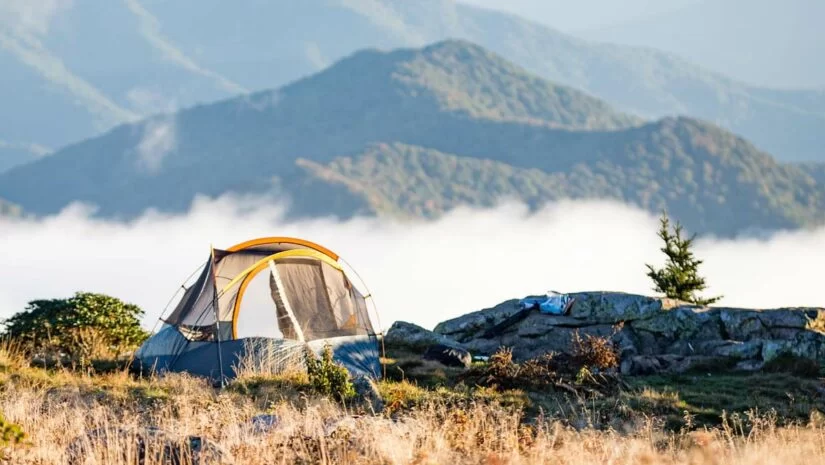
Minimalist camping in remote locations focuses on stripping down camping essentials to the bare minimum, emphasizing lightweight gear, self-sufficiency, and an immersive experience in nature. This approach allows outdoor enthusiasts to explore wilderness areas that are often inaccessible to heavily equipped campers. The concept isn't just about carrying less; it’s about making mindful choices on what truly adds value to your adventure while minimizing physical and environmental impact.
Remote locations demand careful attention because of limited access to supplies and help. Campers embracing minimalism must master the art of balancing essential safety and comfort with simplicity. This style of camping fosters deeper connection with the environment and encourages resourcefulness. Understanding this philosophy is the first step toward successful minimalist camping in remote locations.
2. Essential Gear for Minimalist Camping
Choosing the right gear is crucial when practicing minimalist camping in remote locations. The goal is to bring multifunctional, durable, and lightweight items that fulfill several purposes without excess bulk. A quality ultralight tent or tarp shelter, a compact sleeping bag suitable for the climate, and a reliable water filtration system are core components.
Additional essentials include a lightweight stove or portable cooking system, minimal but nutritious food supplies, a first aid kit, navigation tools such as a map and compass, and weather-appropriate clothing layers. Many minimalist campers also carry a multi-tool and emergency signaling device to enhance safety without adding unnecessary weight.
For instance, a camper named Jake shared how downsizing to a compact hammock system and a solar-powered lantern reduced his pack weight drastically, allowing him to cover greater distances in the backcountry while maintaining comfort and safety.
3. Planning and Preparing for Remote Camping Trips
Preparation is key for minimalist camping in remote areas. Detailed research about the terrain, weather, wildlife, and local regulations ensures a safer experience. Planning includes mapping routes, estimating travel times, and identifying water sources and emergency exit points.
Physical conditioning and mental readiness are also important, as minimalist camping often requires carrying a lighter but more compact load while navigating challenging landscapes. Learning basic survival skills, such as fire-starting and first aid, further supports self-reliance.
Trip preparation also involves communicating your plans to trusted contacts and checking in regularly when possible. These steps significantly reduce risks associated with remote wilderness adventures.
4. Benefits of Minimalist Camping in Remote Areas
Minimalist camping offers unique benefits especially when done in remote locations. The light load enhances mobility and endurance, allowing campers to explore further and stay longer in untouched environments. This freedom deepens the experience of solitude and connection with nature, which is often lost in heavily equipped or crowded campsites.
Environmentally, minimalist campers leave smaller footprints by carrying out all waste and minimizing disturbance. This ethic helps preserve pristine landscapes for future visitors. Additionally, the simplicity encourages mindfulness and appreciation of the essentials, reducing stress and fostering personal growth.
Many outdoor enthusiasts report a heightened sense of accomplishment and well-being after minimalist trips, as they challenge themselves to adapt and thrive with less.
5. Challenges and How to Overcome Them
Despite its appeal, minimalist camping in remote locations comes with challenges. Weather unpredictability can pose risks, and the limited gear means less margin for error. Campers may also face navigation difficulties or unexpected emergencies far from help.
To overcome these, preparation and flexibility are vital. Packing smart emergency supplies, staying updated on weather forecasts, and having backup plans for shelter or evacuation improve safety. Building skills in navigation, first aid, and improvisation also empower campers to handle unexpected situations.
Practicing minimalist camping progressively—from short trips to longer expeditions—helps build confidence and capability.
6. Personal Experiences and Lessons Learned
Personal stories enrich the understanding of minimalist camping in remote locations. One camper, Emma, recounted her first solo trip to a remote mountain valley. Initially overwhelmed by the lack of conveniences, she learned to rely on minimal gear and natural resources, which boosted her confidence and appreciation for simplicity. Her experience emphasized preparation and mental resilience as equally important as physical equipment.
Sharing these stories helps others prepare realistically and embrace the mindset needed for minimalist camping success.
For those interested in discovering the best gear and expert advice for minimalist camping in remote locations, Camping Rural offers trusted recommendations tailored to enhance your outdoor experience.
 Eureka Yurts and Cabins5.0 (4 reviews)
 Riverview Estates4.0 (32 reviews)
 Pride Park RV Campground4.0 (9 reviews)
 Blue Ox RV Park4.0 (296 reviews)
 Karst Loop Campsite 34.0 (5 reviews)
 Orchard Lane Mobile Home Park3.0 (55 reviews)
 10 Must-Visit Campgrounds in the Midwest for Your Next Outdoor Adventure
 Romantic Camping Spots for Couples: Perfect Getaways in Nature
 Ultimate Guide to Off the Grid Camping in Remote Locations
 How to Cook Over a Campfire Safely for an Enjoyable Outdoor Experience
 Vanlife in Winter: My Personal Experience Living on the Road
 From City to Camp: My Journey to Nature and What I Learned