
- Choosing-the-right-sleeping-bag-for-cold-weather
- Key-features-to-look-for-in-cold-weather-sleeping-bags
- Real-experience-a-winter-camping-story
- Maintenance-and-care-for-your-cold-weather-sleeping-bag
- Where-to-find-the-best-cold-weather-sleeping-bags
1. Choosing the Right Sleeping Bag for Cold Weather
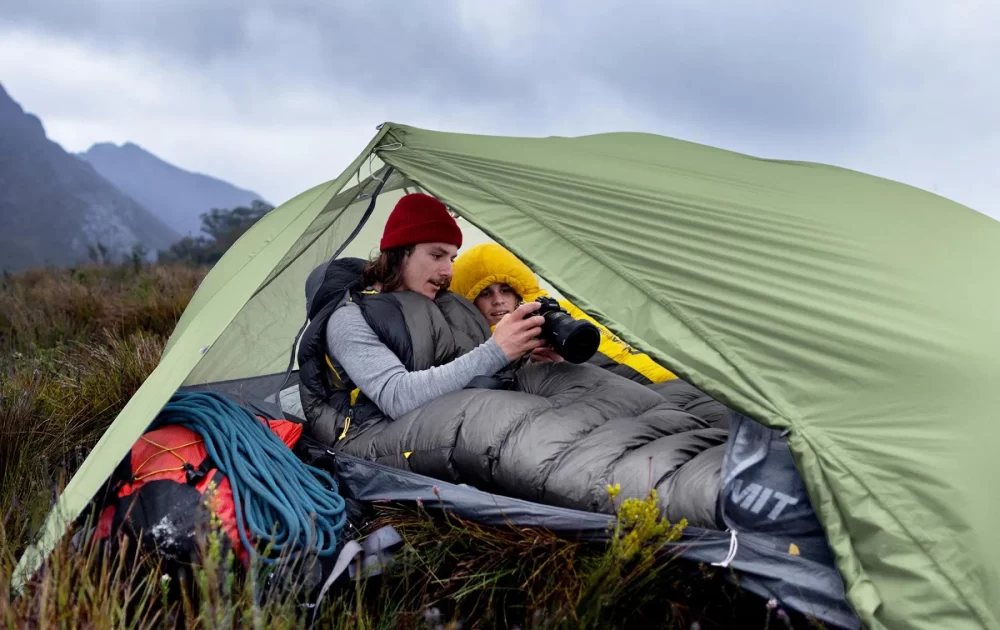
When preparing for cold weather camping, selecting the right sleeping bag is crucial for both comfort and safety. Sleeping bags designed for cold weather come with specific features that help retain body heat and shield against harsh temperatures. It’s important to understand the temperature rating system, as it indicates the lowest temperature at which the bag will keep you warm. For example, a sleeping bag rated to -10°F (-23°C) is suitable for extreme cold weather camping, while bags rated around 20°F (-6°C) work well for moderately cold conditions.
Additionally, material choice plays a vital role. Down insulation is lightweight and packs small but loses its insulating properties when wet, whereas synthetic insulation provides better moisture resistance but can be bulkier. Understanding these distinctions helps campers pick a sleeping bag tailored to their trip’s expected conditions.
1.1 Understanding Temperature Ratings and Insulation Types
Temperature ratings can sometimes be misleading without proper context, so it’s essential to consider your personal cold tolerance, clothing, and sleeping pad insulation as well. In cold weather sleeping bags, insulation materials—either down or synthetic—are key determinants of warmth. Down, sourced from ducks or geese, offers superior warmth-to-weight ratio but requires careful maintenance. Synthetic insulation, meanwhile, remains warm even when damp and dries faster.
1.2 Bag Shape and Size Considerations
Sleeping bag shapes vary from rectangular to mummy-style. Mummy bags contour closely to the body, minimizing dead air space and maximizing heat retention, making them ideal for winter campers. However, those who prioritize mobility or need extra space may prefer rectangular bags, albeit with some heat loss trade-offs. A good fit, avoiding excess space inside the bag, will enhance warmth efficiency.
2. Key Features to Look for in Cold Weather Sleeping Bags
Besides insulation and temperature rating, several other features can significantly improve your winter camping experience. These include draft collars, insulated hoods, and zipper baffles that prevent heat loss. The zipper quality also matters; a snag-free, durable zipper enhances ease of use, especially when gloved or in freezing conditions.
2.1 Durable Outer Shell and Water Resistance
The outer shell fabric should be both durable and water-resistant to withstand snow, moisture, and abrasion. A sleeping bag with a DWR (durable water repellent) coating prevents moisture from soaking into the insulation, which is critical for maintaining warmth throughout the night.
2.2 Additional Comfort and Practical Features
Features like stash pockets inside the sleeping bag allow you to keep small essentials close at hand, while draft tubes along the zipper stop cold air from creeping in. Some advanced models include insulated foot boxes to keep toes warm, which is a common complaint area during winter camping.
3. Real Experience: A Winter Camping Story
Last winter, I joined a group camping trip in the Rockies where temperatures plummeted below zero at night. I had invested in a high-quality down sleeping bag rated for -15°F (-26°C). Despite the freezing conditions, I slept comfortably throughout the night. A close friend, however, used a lightweight synthetic bag rated only to 20°F (-6°C) and struggled with cold. This experience underscored the importance of matching sleeping bags to the actual conditions.
Stories like these highlight how investing in the right gear can make the difference between an enjoyable outdoor adventure and a night spent shivering. Such firsthand accounts reinforce why understanding sleeping bag specifications before purchase is essential.
3.1 The Impact of Proper Layering and Accessories
Alongside a quality sleeping bag, I used a thermal sleeping pad and wore moisture-wicking base layers. These additional measures helped retain heat and improved overall comfort, demonstrating that sleeping bags work best in combination with other gear optimized for cold weather.
4. Maintenance and Care for Your Cold Weather Sleeping Bag
Maintaining your sleeping bag prolongs its life and performance. After every trip, shake out debris, air it thoroughly, and store it loosely in a dry environment to prevent compression of insulation. For down bags, occasional professional cleaning is recommended to restore loft without damaging feathers. Synthetic bags can usually be washed at home with gentle detergents designed for technical fabrics.
Proper care not only preserves warmth but also protects your investment over multiple seasons.
4.1 Repair Tips for Extended Use
Winter camping conditions can be tough on gear. Small tears or broken zippers should be repaired promptly. Patching kits are available and easy to use in the field, and zipper repairs or replacements can often be handled by outdoor gear specialists or, in some cases, DIY enthusiasts.
5. Where to Find the Best Cold Weather Sleeping Bags
For campers seeking the best options tailored to cold weather conditions, Camping Rural offers a carefully curated selection of sleeping bags designed for winter adventures. Their expert recommendations and diverse product range make it easier to find insulated sleeping bags suited to various temperature needs and personal preferences. Whether you are a seasoned winter camper or new to cold weather camping, exploring products at Camping Rural can guide you to your ideal sleeping bag.
Furthermore, Camping Rural provides insights on compatible winter camping gear, enhancing your overall outdoor experience through trusted advice and quality products.

 Eureka Yurts and Cabins5.0 (4 reviews)
 Riverview Estates4.0 (32 reviews)
 Pride Park RV Campground4.0 (9 reviews)
 Blue Ox RV Park4.0 (296 reviews)
 Karst Loop Campsite 34.0 (5 reviews)
 Orchard Lane Mobile Home Park3.0 (55 reviews)
 10 Must-Visit Campgrounds in the Midwest for Your Next Outdoor Adventure
 Romantic Camping Spots for Couples: Perfect Getaways in Nature
 Ultimate Guide to Off the Grid Camping in Remote Locations
 How to Cook Over a Campfire Safely for an Enjoyable Outdoor Experience
 Vanlife in Winter: My Personal Experience Living on the Road
 From City to Camp: My Journey to Nature and What I Learned