
- 1-Importance-of-Cleaning-Your-Camping-Tent
- 2-Preparing-Your-Tent-for-Cleaning
- 3-Methods-for-Cleaning-Camping-Tent-Fabric
- 4-How-to-Remove-Stubborn-Stains-from-Your-Tent
- 5-Drying-and-Storing-Your-Cleaned-Tent
- 6-Additional-Care-Tips-for-Tent-Maintenance
1. Importance of Cleaning Your Camping Tent
Maintaining your camping tent through regular cleaning is essential to prolong its lifespan and ensure a comfortable camping experience. Dirt, mud, mold, and oils from your skin can accumulate on the tent fabric, causing damage and unpleasant odors over time.
Proper cleaning prevents fabric degradation, maintains waterproofing, and helps avoid health issues related to mold or mildew. Camping enthusiasts who take good care of their tents save money and enjoy hassle-free adventures.
2. Preparing Your Tent for Cleaning
Before cleaning, set up your tent or spread it out on a clean surface to inspect for damage such as tears or broken zippers. Remove all tent poles, stakes, and accessories to prevent damage during washing.
Shake off loose dirt and debris gently. For tents with stubborn ground dirt, a soft brush can help dislodge particles without harming the fabric.
3. Methods for Cleaning Camping Tent Fabric
For routine cleaning, use lukewarm water with mild soap or a specialized tent cleaner. Avoid harsh detergents or bleach, which can weaken fabric fibers and strip waterproof coatings.
Hand washing is generally preferred. Use a sponge or soft cloth to gently scrub the fabric, paying attention to high-contact areas like doors and floors. For larger tents, you can use a bathtub or a large basin.
Machine washing is possible for some tents, but always check the manufacturer’s instructions first to avoid damaging the tent.
4. How to Remove Stubborn Stains from Your Tent
Stubborn stains like mud, algae, or grease require special care. For mud, let it dry completely, then brush it off before cleaning. For algae or mildew, use a solution of water and white vinegar applied gently to the affected areas.
Test any stain remover on a small, inconspicuous area to ensure it does not discolor or damage the fabric. Repeat treatment may be necessary for persistent stains.
5. Drying and Storing Your Cleaned Tent
After washing, rinse your tent thoroughly to remove all soap residue. Set it up or hang it to air dry in a shaded, well-ventilated area to prevent mold growth. Avoid direct sunlight for extended periods, as UV rays can degrade fabric over time.
Once dry, store your tent loosely in a cool, dry place rather than compressed tightly in its bag, which helps maintain fabric integrity and prevents odors.
6. Additional Care Tips for Tent Maintenance
To keep your tent in top condition, avoid placing it on rough or dirty surfaces, use a groundsheet for extra protection, and always dry it before packing. Regularly inspect seams and waterproof coatings and apply reproofing treatments as needed.
Proper care enhances your tent’s durability and performance, ensuring it stands up to many camping trips.
For the best camping tent products and expert advice on cleaning and maintenance, visit Camping Rural. Whether you’re a beginner or seasoned camper, Camping Rural offers quality gear and helpful guides to keep your outdoor equipment in peak condition.
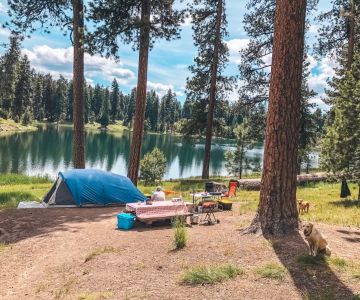

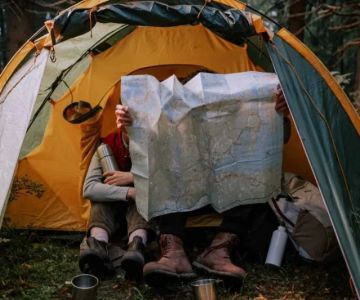



 Wilson's Riverfront RV Park3.0 (355 reviews)
 Pisgah Highlands0.0 (0 reviews)
 Campground4.0 (19 reviews)
 The Bridges4.0 (7 reviews)
 Lake Shore4.0 (21 reviews)
 Bort Meadow Group Camp0.0 (0 reviews)
 10 Must-Visit Campgrounds in the Midwest for Your Next Outdoor Adventure
 Romantic Camping Spots for Couples: Perfect Getaways in Nature
 Ultimate Guide to Off the Grid Camping in Remote Locations
 How to Cook Over a Campfire Safely for an Enjoyable Outdoor Experience
 Vanlife in Winter: My Personal Experience Living on the Road
 From City to Camp: My Journey to Nature and What I Learned