
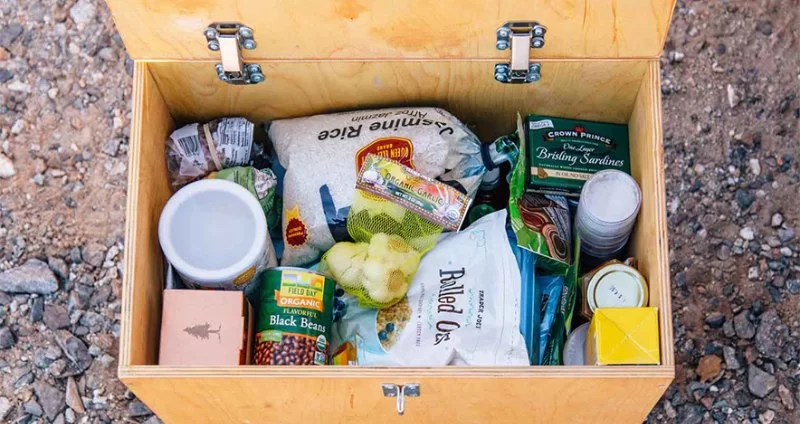
1 - The Challenge of Keeping Food Safe and Fresh While Camping
Anyone who has ever gone camping knows that one of the biggest challenges is keeping your food fresh and safe. Whether you're camping in a tent, an RV, or at a campground, the great outdoors doesn't always offer the ideal conditions for storing food. After all, camping often means you're miles away from your usual kitchen conveniences, and keeping food at the right temperature and avoiding spoilage can be tricky. I remember my first camping trip, when I packed everything in a cooler but still found that by the end of the weekend, some of my food was spoiled. It was a lesson in the importance of proper food storage and safety while camping.
Fortunately, with the right preparation and knowledge, you can keep your food fresh and safe throughout your camping adventure. In this article, I’m going to share practical tips and methods I’ve learned to keep food safe while camping, ensuring that your meals are not only fresh but also safe to eat. From packing strategies to proper storage techniques, these tips will help you enjoy your meals without the stress of food-related issues.
2 - Choosing the Right Food for Camping
Before we even get into the logistics of storing food, it's important to start with the right kinds of food for camping. Some foods are better suited for the outdoors than others, and knowing what to pack can make a huge difference in ensuring freshness and safety. I’ve learned that some foods, like fresh fruits and vegetables, are more prone to spoiling than others, especially when they’re not stored properly. On the other hand, canned goods, dehydrated meals, and frozen items often work better for camping trips.
2.1 - Non-Perishable Foods
One of the best options for camping is non-perishable foods. These include canned goods, dried fruits, nuts, pasta, and grains. Non-perishables are easy to pack and don’t require refrigeration, making them a convenient and safe choice for any camping trip. When I went on a three-day camping trip last year, I relied heavily on canned beans, soups, and dried fruit to minimize the risk of spoilage. These foods not only stayed fresh but were also lightweight and easy to store.
2.2 - Fresh Produce and Refrigerated Items
If you’re planning to bring fresh produce or refrigerated items, like meat or dairy, it’s important to have a plan for keeping them cool and safe. While fresh produce can be delicious and add variety to your meals, it’s especially vulnerable to spoiling if not stored properly. I recommend sticking to hardy fruits and veggies like carrots, apples, and potatoes, which are more resilient to heat and less likely to spoil quickly. For meats and dairy, it's essential to use coolers and ice packs to keep them at a safe temperature.
2.3 - Prepared and Pre-Packaged Meals
If you want to simplify your meals and avoid worrying about spoilage, pre-packaged meals, like freeze-dried camping meals or prepared meals in vacuum-sealed bags, are an excellent choice. These meals require minimal preparation and usually only need hot water to prepare, making them perfect for a hassle-free camping experience. I’ve found that these types of meals not only last for long periods but also save a lot of space in your cooler or camping bags.
3 - Proper Food Storage Techniques for Camping
Now that we’ve covered the types of food you should bring, let’s dive into the most important part: keeping your food safe and fresh while camping. The key to food safety is temperature control, and knowing how to store food in the right conditions can make a big difference in preserving its freshness and preventing illness.
3.1 - Coolers and Ice Packs
For many campers, the cooler is the primary tool for keeping food cold. When I first started camping, I didn’t realize just how crucial it was to have a quality cooler and enough ice to maintain the right temperature. A good cooler should have thick insulation to keep the cold in and heat out. I’ve found that a cooler with separate compartments for ice and food works best. This allows the ice to stay cold longer and prevents the food from getting wet as it melts. For added effectiveness, I pack my cooler with ice packs along with regular ice, as these packs tend to stay cold longer than ice alone.
3.2 - Keeping Food in the Right Temperature Zone
When camping, it’s important to keep perishable foods in the “safe temperature zone”—between 32°F (0°C) and 40°F (4°C). Temperatures above 40°F can cause bacteria to grow, leading to foodborne illnesses. To maintain this temperature range, I’ve learned to pack enough ice and check the cooler’s temperature regularly. In addition to using ice packs, I also avoid opening the cooler too frequently, as this lets in warm air. Keeping the cooler in a shaded area also helps prevent it from warming up too quickly.
3.3 - Using Insulated Bags for Short-Term Storage
For items that you’ll need to access frequently during the day, such as snacks or drinks, insulated bags are a great solution. These bags are portable, keep food cool, and are perfect for short-term storage. I often use an insulated bag for sandwiches and fruit, so they’re easy to grab while hiking or out and about around the campsite. These bags are especially useful when you don’t want to open the main cooler too often.
4 - Cooking and Managing Leftovers
When camping, cooking meals can be one of the highlights of the experience. But cooking and storing leftovers safely is just as important as the preparation itself. Over the years, I’ve learned a few key tips to ensure my meals are cooked safely and leftovers are stored properly.
4.1 - Safe Cooking Temperatures
Whether you’re grilling, cooking over a campfire, or using a portable stove, it’s essential to ensure your food reaches the right temperature to kill harmful bacteria. For meats, poultry, and eggs, use a meat thermometer to check that the internal temperature is high enough to be safe for eating. I once had an experience where I didn’t use a thermometer, and the chicken I cooked was undercooked. It’s best to invest in a small portable thermometer for your camping trips to avoid these mistakes.
4.2 - Storing Leftovers Properly
If you have leftovers, it’s crucial to refrigerate or store them in a cool place as soon as possible. For longer trips, I’ve found that using small airtight containers helps to preserve the freshness of leftovers. If you don’t have access to refrigeration, be sure to eat the leftovers within a few hours or dispose of them if you’re unsure about their safety. While it’s tempting to save extra food for later, it’s better to be safe than sorry when it comes to food safety while camping.
5 - Dealing with Unexpected Food Safety Issues
Despite your best efforts, issues can still arise when you’re camping, and food safety might be at risk. I’ve had my share of experiences where food didn’t stay cold enough or didn’t get cooked properly. Here’s what I’ve learned about handling these unexpected challenges:
5.1 - What to Do if Your Cooler Isn’t Working Properly
If you find that your cooler isn’t keeping your food cold enough, try to move the food to a shaded area and minimize opening the cooler. You can also add more ice or ice packs if available. If your food has already been sitting in a warmer environment for too long, it’s better to discard it than to risk foodborne illness. I’ve had to throw out food a few times due to this issue, but it’s always better to be cautious.
5.2 - Recognizing Signs of Spoilage
When camping, food can spoil faster than it would at home, so it’s essential to recognize the signs of spoilage. If food smells off, looks discolored, or feels slimy, it’s best to err on the side of caution and dispose of it. This is especially important for meats and dairy products, which can become a breeding ground for harmful bacteria if left out too long.
6 - Final Thoughts on Keeping Food Safe While Camping
Camping is about enjoying the great outdoors, and part of that enjoyment includes having delicious, safe meals. By choosing the right foods, storing them properly, and keeping safety in mind when cooking and storing leftovers, you can ensure that your camping experience remains fun and worry-free. With these tips and strategies, you can keep your food fresh and safe, allowing you to focus on enjoying the adventure. And, if you need the best camping gear and food storage solutions, check out Camping Rural for expert recommendations and products that can make your camping trip even better.
 Colony Cove Mobile Estates4.0 (143 reviews)
 Tate's Hell State Forest Cash Creek Campground4.0 (36 reviews)
 Riverview RV Park3.0 (51 reviews)
 Synchronicity Agroforestry Center5.0 (2 reviews)
 Lake Haven3.0 (64 reviews)
 Raab Campground4.0 (24 reviews)
 10 Must-Visit Campgrounds in the Midwest for Your Next Outdoor Adventure
 Romantic Camping Spots for Couples: Perfect Getaways in Nature
 Ultimate Guide to Off the Grid Camping in Remote Locations
 How to Cook Over a Campfire Safely for an Enjoyable Outdoor Experience
 Vanlife in Winter: My Personal Experience Living on the Road
 From City to Camp: My Journey to Nature and What I Learned