

Death Valley National Park's backcountry Introduce
Death Valley National Park's backcountry, located in Death Valley, CA, USA, offers an unparalleled and often extreme camping experience for those seeking ultimate solitude and immersion in one of North America's most unique and remote desert landscapes. Unlike traditional campgrounds or typical "Camping Near Me" search results, backcountry camping in Death Valley is not for the faint of heart and requires extensive preparation and self-reliance. It is an opportunity to truly connect with the raw, untamed beauty of the desert, where vastness and remoteness are the defining characteristics.
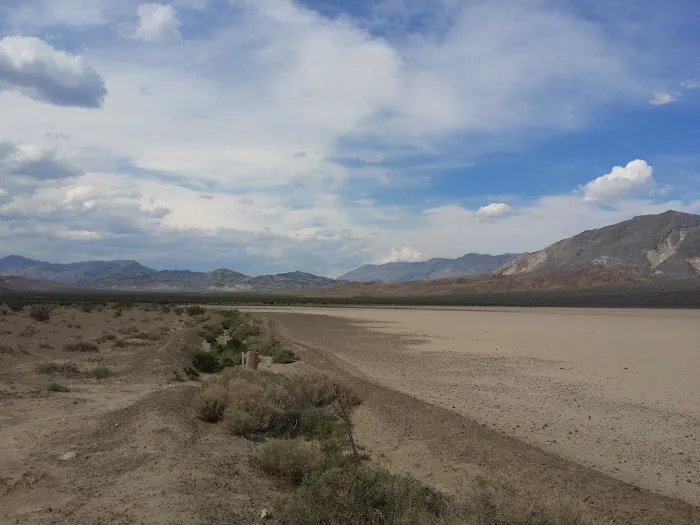
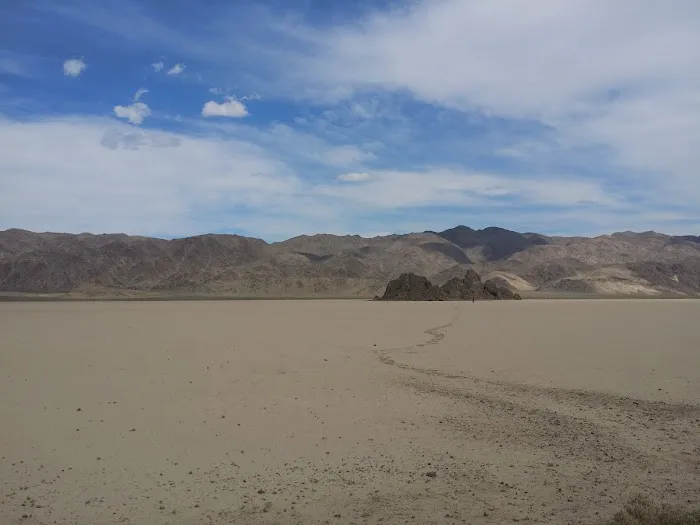
Death Valley National Park encompasses over 3.4 million acres, with over 93% of the park designated as wilderness. This vastness contributes to the extremely remote nature of its backcountry. The landscape is characterized by its dramatic contrasts: vast salt flats, towering sand dunes, colorful badlands, rugged canyons, and mountain ranges, some of which are snow-capped in winter. The park holds the record for the hottest air temperature ever recorded on Earth, and while the majority of the park is best visited during the cooler months (mid-October to mid-April), some higher elevation areas offer respite from the heat.
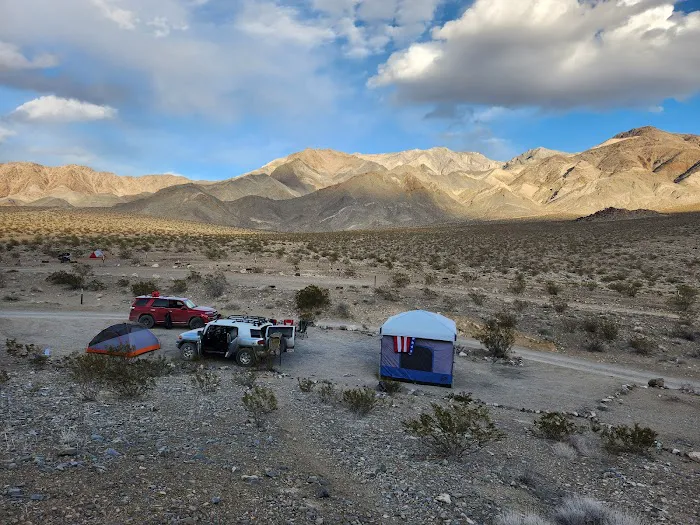
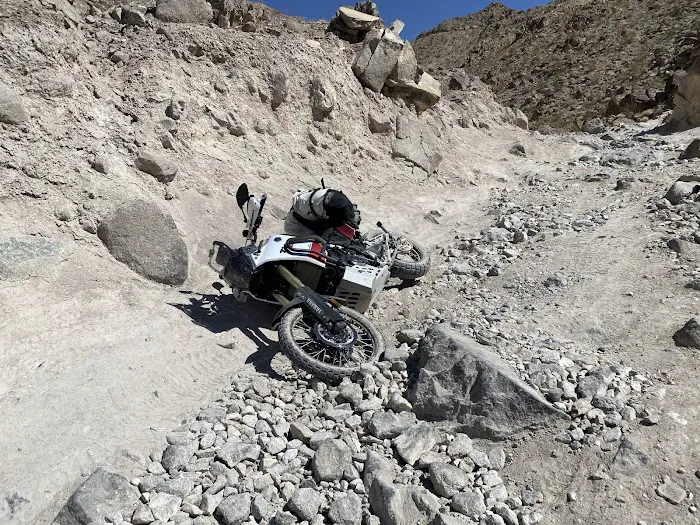
The backcountry environment is pristine but unforgiving. There are no amenities, no water sources (unless specifically noted and filtered/treated), and often no cell phone service. The roads leading to many backcountry camping areas are notoriously rough, often described as "awful" washboards that will test vehicles and occupants. Roads like Lippincott Pass Rd. and Hunter Mountain Pass are strictly high-clearance 4WD only. Flash floods can occur, especially after rainfall, making certain routes dangerous. The desert environment is extremely fragile, and vehicle tracks can remain for decades, necessitating strict adherence to designated roads and disturbed areas for camping. Wildlife, including small mammals and larger animals, exists, but direct encounters are rare due to their nocturnal nature and the vastness of the park.
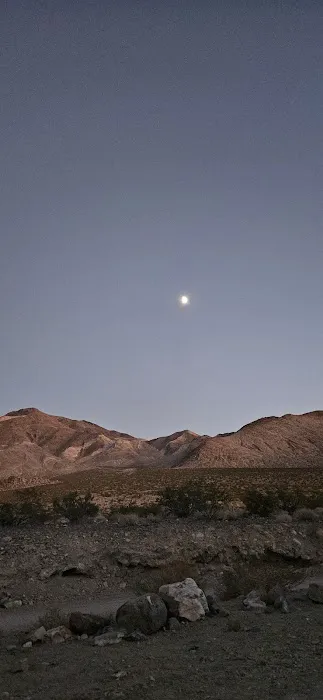
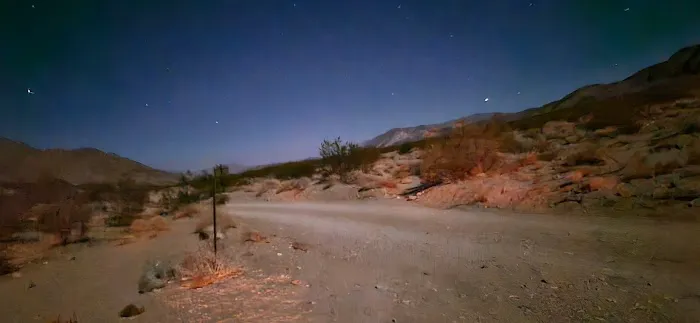
Despite the challenges, the environment is breathtaking. Visitors often remark on the "beauty" and the incredible clarity of the night sky, where stars shine so brightly it "definitely makes you feel closer to God's creation." It is a place where you can feel truly alone and experience the profound silence of the desert.
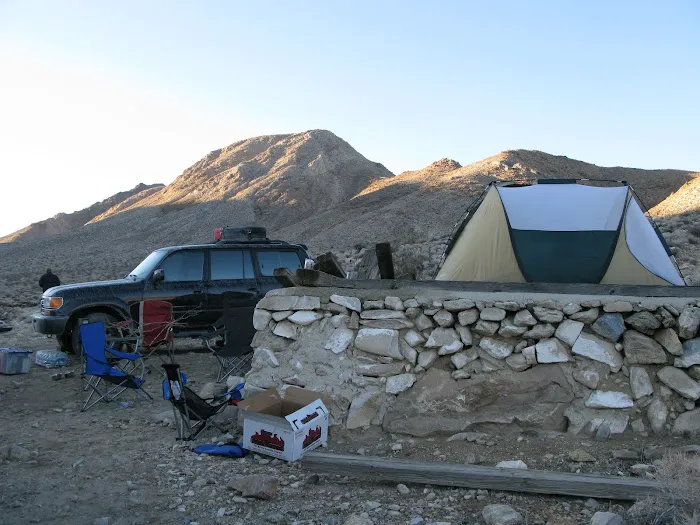
The defining feature of Death Valley's backcountry is the deliberate lack of services and developed features, which is central to its appeal for those seeking a primitive experience. This is not a campground with picnic tables, fire rings, or restrooms. Instead, campers are expected to be entirely self-sufficient and practice strict Leave No Trace principles. This means:
- No Amenities: There are no toilets, water, or trash services. Campers must pack out all trash, including human waste (by digging cat-holes 6-8 inches deep and 200 feet from water sources or campsites, or packing it out in waste bags).
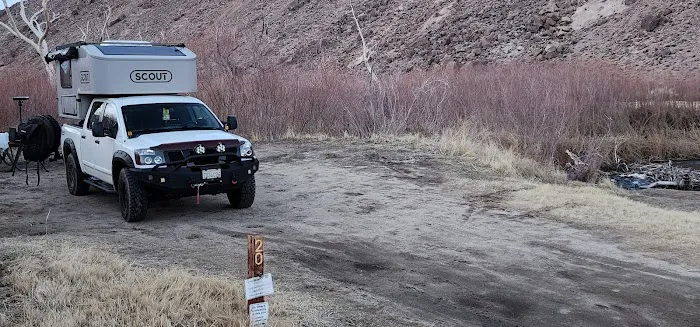
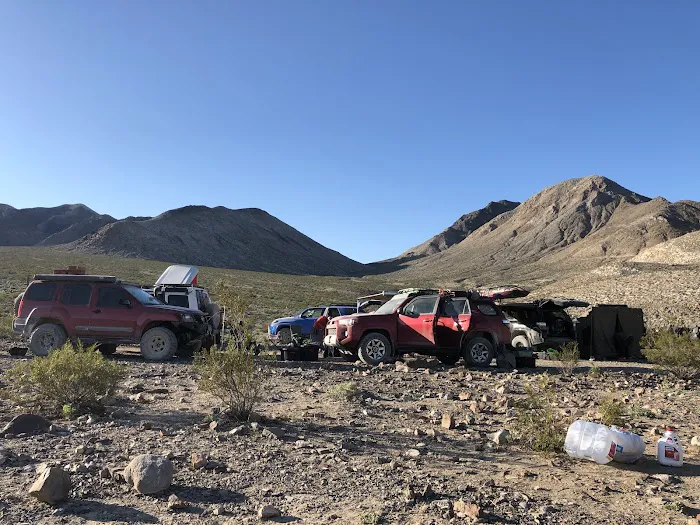
- Roads: Access is via unpaved, often extremely rough dirt roads. High-clearance vehicles are generally required for most backcountry roadside camping, and 4x4 is highly recommended for many routes (e.g., Ubehebe Crater to The Racetrack, Lippincott Pass Rd., Hunter Mountain Pass). Passenger vehicles and RVs will not be able to access most backcountry sites.
- Vehicle Preparedness: Flat tires are common due to road conditions. Visitors must carry at least one (preferably two) inflated spare tires, a tire plug kit, a 12-volt air compressor, a complete jack, and a lug wrench. Knowing how to use this equipment is vital. Rental vehicle agreements often restrict travel to paved roads, so verify before attempting backcountry routes. Towing services are extremely expensive and often do not cover dirt roads.
- Water: Campers must carry all their own water. A minimum of one gallon per person per day is recommended, with more needed in hot weather. Natural water sources are unreliable and often contaminated.
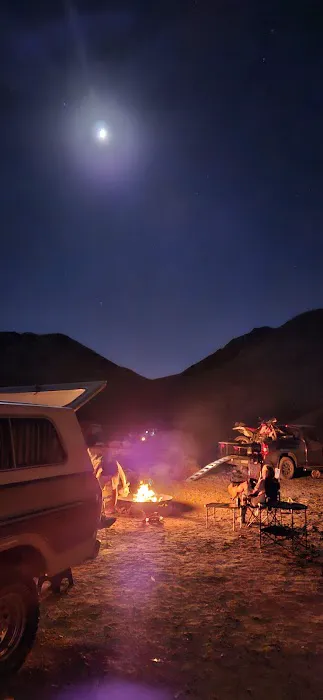
- Fires: Campfires are generally prohibited in the backcountry unless a metal fire pan is used to prevent contact with the ground, and all ash and wood must be packed out. Wood gathering is strictly forbidden. Propane grills and camp stoves are permitted.
- Permits: As of recent changes, permits are required for certain backcountry roadside camping areas (e.g., Echo Canyon, Hole in the Wall, Cottonwood Canyon, Marble Canyon, Greenwater Valley Road) and for backpacking the Cottonwood/Marble Canyon Loop. These permits are typically $10/night or $10/permit and can be reserved online via Recreation.gov up to six months in advance. Permits for other backcountry areas are recommended but not required.
- Group Size: Group size is limited to 12 people and 4 vehicles. Larger groups must split up and camp at least half a mile apart.
- Campsite Selection: Campers must select previously disturbed areas and park immediately adjacent to the roadway to minimize impact. Camping is prohibited within 100 yards of water sources.
For those searching "Camping Near Me" who are specifically looking for an off-grid, challenging, and profoundly wild experience, Death Valley National Park's backcountry is a premier destination. It appeals to experienced adventurers, off-road enthusiasts, and photographers who are drawn to extreme solitude and unique geological formations. It's a place where you can truly "get away from it all" and escape the crowds found in more developed campgrounds.
The "very remote" nature of the park and the demanding road conditions are not downsides but rather part of the allure for this specific demographic. The park actively promotes self-reliance and preparedness as crucial for a safe and enjoyable visit. The fees for certain backcountry permits ($10/night or $10/permit) help to manage use and fund park operations, contributing to the preservation of this fragile environment.
While the review mentioned a negative experience with inconsiderate "hipster off-road wannabes" playing loud music, this highlights the importance of respecting the wilderness and other visitors, even in remote areas. Death Valley's backcountry is about embracing the vastness and the quiet, not bringing urban distractions.
It is vital for prospective visitors to perform thorough pre-trip planning. This includes checking current road conditions (which can change rapidly due to weather), packing ample water and food, ensuring their vehicle is adequately equipped for rough terrain, and understanding all park regulations and Leave No Trace principles. There is very limited to no cell service in most backcountry areas, so relying on GPS and paper maps is essential.
For official information, current conditions, and to obtain required permits, visitors should consult the National Park Service website for Death Valley or contact the park directly. The main park phone number for general inquiries is (760) 786-2146 or +1 760-786-2146. For campground inquiries or to speak with a ranger about backcountry conditions, the Furnace Creek Visitor Center can be reached at (760) 786-3200. Planning ahead is not just recommended, it is essential for a safe and memorable backcountry experience in Death Valley.
Death Valley National Park's backcountry Photos
Death Valley National Park's backcountry Location
Death Valley National Park's backcountry
Death Valley, CA, USA
 Death Valley National Park's backcountry
Death Valley
 Homestake Dry Camp
California
 Reclaimed Wood Cabin
S Slope
 Saline Valley Campground
California
 Saline Valley Warm Springs
Death Valley
 Diaz Lake
US-395
 Diaz Lake Campground
5007 South Main Street
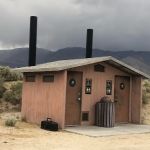 Portuguese Joe Campground
436 S Washington St
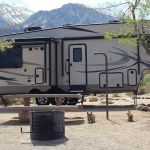 Tuttle Creek Campground
Lone Pine
 Lone Pine Campground
Whitney Portal Rd
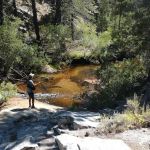 Horseshoe Meadow Campground
California
 Cottonwood Lakes Walk in Campground
Lone Pine
 Horseshoe Meadow Equestrian Camp
Horseshoe Meadows Rd
Death Valley National Park's backcountry Reviews
Very remoteThis is what Death Valley is all aboutCan't beat it
Oct 14, 2024 · Jarrod DikeBE FOREWARNED, the roads to this area are extreme, not in the rock crawling break an axle type of extreme, but ROUGH washboards that rattle teeth and will test the stamina of your shocks. The road between Ubehebe Crater and The Racetrack is straight up AWFUL!! Lippincott Pass Rd. and Hunter Mountain Pass are both high clearance 4WD only. Pick your poison carefully. There are NO amenities, and be ready to pay out the nose for a tow if you need one. AAA isn't picking up the bill for this one. Hopefully (and if you are lucky enough to get to the dry camp area) a group of Bay Area hipster off road wannabes from Tacoma World don't post up right next to you and blast crappy music all night while they ogle each others "rock lights" and RTTs.
Dec 15, 2017 · Chris HarneyBest off road camping adventure I have been on in a long time!
Jun 24, 2016 · Sean DeeringAwesome!
Jul 07, 2017 · SCSB School- Oct 24, 2024 · Ronald Silva
More Camping Near Me
 Homestake Dry Camp4.0 (25 reviews)
California, USA
 Reclaimed Wood Cabin4.0 (6 reviews)
S Slope, Cerro Gordo Rd, Keeler, CA, USA
 Saline Valley Campground3.0 (10 reviews)
California, USA
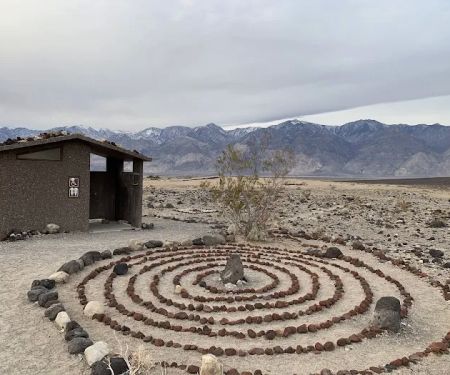 Saline Valley Warm Springs3.0 (162 reviews)
Death Valley, Death Valley National Park, DEATH VALLEY, CA 92328, USA
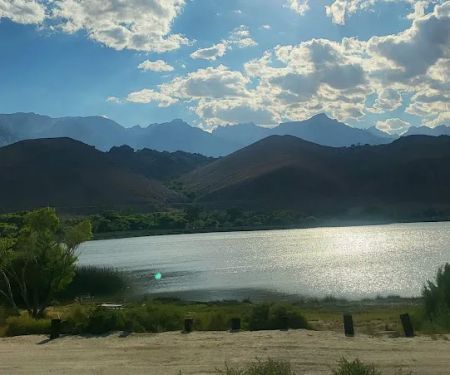 Diaz Lake4.0 (213 reviews)
US-395, Lone Pine, CA 93545, USA
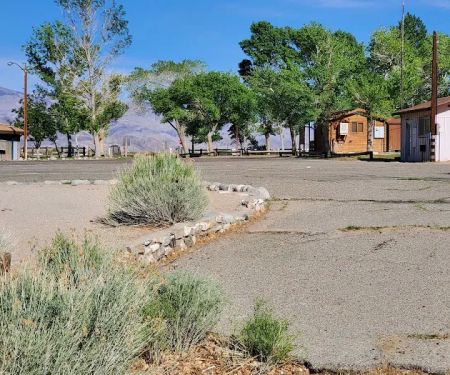 Diaz Lake Campground3.0 (211 reviews)
5007 South Main Street, Lone Pine, CA 93545, USA
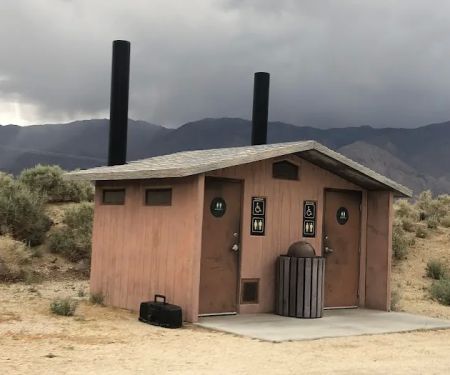 Portuguese Joe Campground4.0 (103 reviews)
436 S Washington St, Lone Pine, CA 93545, USA
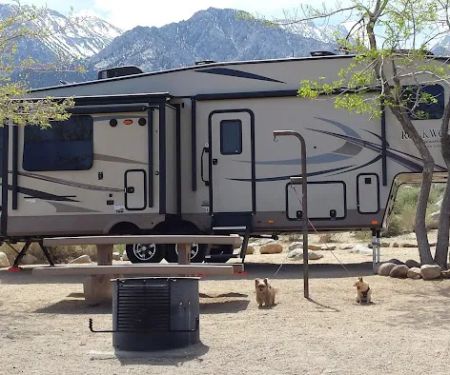 Tuttle Creek Campground4.0 (291 reviews)
Lone Pine, CA 93545, USA
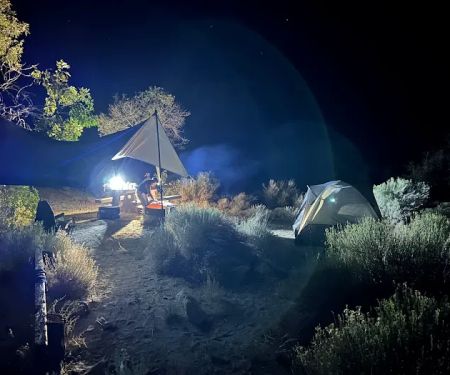 Lone Pine Campground4.0 (236 reviews)
Whitney Portal Rd, Lone Pine, CA 93545, USA
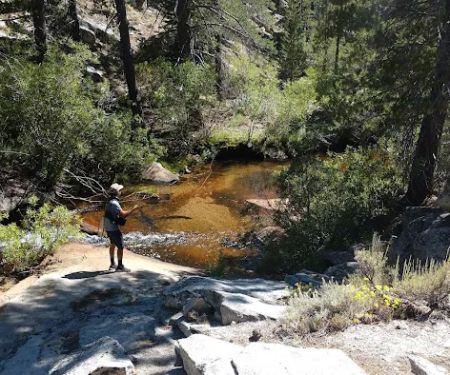 Horseshoe Meadow Campground0.0 (0 reviews)
California, USA
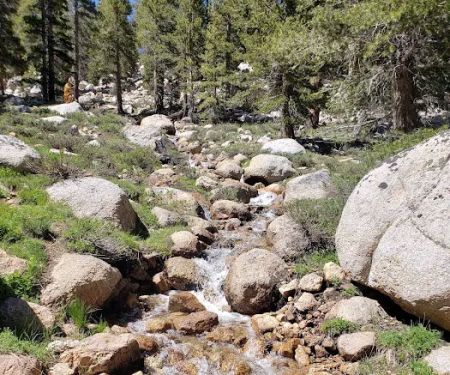 Cottonwood Lakes Walk in Campground4.0 (30 reviews)
Lone Pine, CA 93545, USA
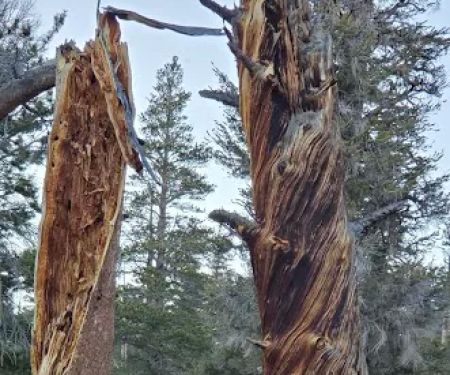 Horseshoe Meadow Equestrian Camp4.0 (15 reviews)
Horseshoe Meadows Rd, Lone Pine, CA 93545, USA
Categories
Popular Camping Sites
 McNary Oaks Mobile Home Villa3.0 (70 reviews)
 Elliott's Landing and Campground4.0 (116 reviews)
 Rogers Creek RV Park3.0 (76 reviews)
 Keystone State Park - Cabin 104.0 (24 reviews)
 Sunset Valley RV Resort4.0 (53 reviews)
 Heavens Up North Campground4.0 (112 reviews)
Most Searched Camping Sites
Trending Camping Blog Posts
 10 Must-Visit Campgrounds in the Midwest for Your Next Outdoor Adventure
 Romantic Camping Spots for Couples: Perfect Getaways in Nature
 Ultimate Guide to Off the Grid Camping in Remote Locations
 Vanlife in Winter: My Personal Experience Living on the Road
 How to Cook Over a Campfire Safely for an Enjoyable Outdoor Experience
 From City to Camp: My Journey to Nature and What I Learned