
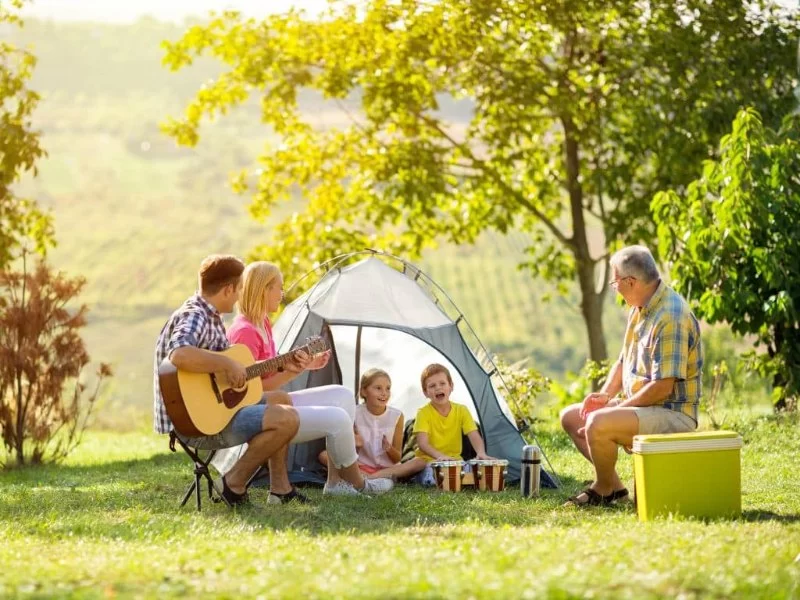
How to Plan a Budget-Friendly Camping Trip: Tips for Saving Money
- 1-Planning Your Budget
- 2-Choosing the Right Campsite
- 3-Saving on Gear and Supplies
- 4-Camping Food Tips
- 5-Enjoying the Experience on a Budget
1-Planning Your Budget
When preparing for a camping trip, one of the most important steps is planning your budget. A camping trip can be as expensive or as cheap as you make it, so it’s essential to set a clear budget from the beginning. First, consider all the potential expenses, such as the cost of the campsite, food, transportation, and gear. Creating a breakdown of these costs will help you stay on track and avoid overspending.
For example, a family of four might find that choosing a state park as a campsite offers a more affordable option compared to private campsites. Always check for discounts or deals for national park passes, as these often provide access to multiple parks at a lower cost. You can also look into off-peak times for camping, when prices are typically lower.
2-Choosing the Right Campsite
Choosing the right campsite is crucial when planning a budget-friendly camping trip. Some campsites are free, especially in national forests or Bureau of Land Management areas. Researching online databases for free camping sites can save you a significant amount of money. Additionally, state parks often offer lower rates than commercial campgrounds while still providing great amenities.
Consider camping during the weekdays rather than weekends, as prices tend to drop. Another tip is to look for campsites that offer group sites, which can be cheaper per person if you're camping with friends or family. Always read reviews to ensure you're not sacrificing safety or comfort for a lower price.
3-Saving on Gear and Supplies
Buying camping gear can be a major expense, but there are several ways to save money while still getting good-quality equipment. One of the easiest ways is to borrow gear from friends or family members if you're new to camping. If you need to buy your own gear, consider shopping at second-hand stores, or look for sales and discounts, especially during off-seasons.
When it comes to supplies, focus on purchasing multi-use items like a versatile stove or a large tent that can fit multiple people. Another great way to save money is by packing your own gear rather than renting. This can be a substantial savings over time, particularly for items like sleeping bags, backpacks, and tents.
4-Camping Food Tips
Food is another major component of a camping budget, but with a little creativity, you can save money without compromising on meals. Plan simple, easy-to-make meals that require minimal ingredients and cooking time. Canned goods, pasta, rice, and dehydrated meals are all great budget-friendly options.
Try meal prepping before your trip by chopping vegetables, marinating meats, or preparing pasta dishes that can easily be cooked over a campfire. A Dutch oven or portable stove can help you create more complex meals that are still cost-effective. Don’t forget to bring snacks like trail mix or granola bars for quick energy boosts while hiking.
5-Enjoying the Experience on a Budget
Finally, camping is all about enjoying nature and spending time with friends or family, and you don’t need to spend a lot of money to have a great experience. Many outdoor activities, such as hiking, swimming, or stargazing, are free and can be incredibly rewarding. Plan your camping trip around these activities to maximize your enjoyment without adding extra costs.
To make the most of your budget-friendly camping experience, take advantage of free educational programs, wildlife tours, or ranger talks that are often offered at state and national parks. These can be both fun and informative, and you might even learn something new about the natural world.
For a wide range of camping gear, accessories, and affordable services, visit Camping Rural to find the best products and tips that will enhance your camping experience.
 Mountain Valley Meadows RV4.0 (78 reviews)
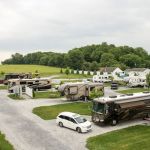 Country Acres Campground4.0 (535 reviews)
 Old Shady Rest Campground4.0 (67 reviews)
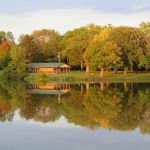 Champaign County Forest Preserve District4.0 (14 reviews)
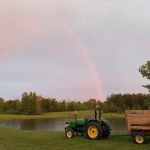 Highland Acres RV Resort4.0 (44 reviews)
 Sheep Campground4.0 (12 reviews)
 10 Must-Visit Campgrounds in the Midwest for Your Next Outdoor Adventure
 Romantic Camping Spots for Couples: Perfect Getaways in Nature
 Ultimate Guide to Off the Grid Camping in Remote Locations
 How to Cook Over a Campfire Safely for an Enjoyable Outdoor Experience
 Vanlife in Winter: My Personal Experience Living on the Road
 From City to Camp: My Journey to Nature and What I Learned